When considering security and durability, understanding what a steel wood armored door is made of is crucial. These doors incorporate a variety of materials that enhance strength while offering aesthetic appeal. According to the latest industry reports, sales of armored doors have increased by over 30% in recent years. This surge is due to rising concerns about home and commercial security.
Typically, a steel wood armored door features a core of solid steel, which provides resilience against forced entry. Outer layers often consist of high-quality wood finishes, offering both warmth and elegance. Additional components, such as fire-resistant materials and insulation, can further improve performance. In fact, robust insulation can reduce energy costs by up to 20%. Yet, not every option on the market delivers the same quality and effectiveness.
Ultimately, consumers must reflect on what matters most in their purchases. Investing in a steel wood armored door can be beneficial, but understanding the nuances of these materials is key. A good choice should blend security, cost, and aesthetic preferences, ensuring that the final decision reflects true value.
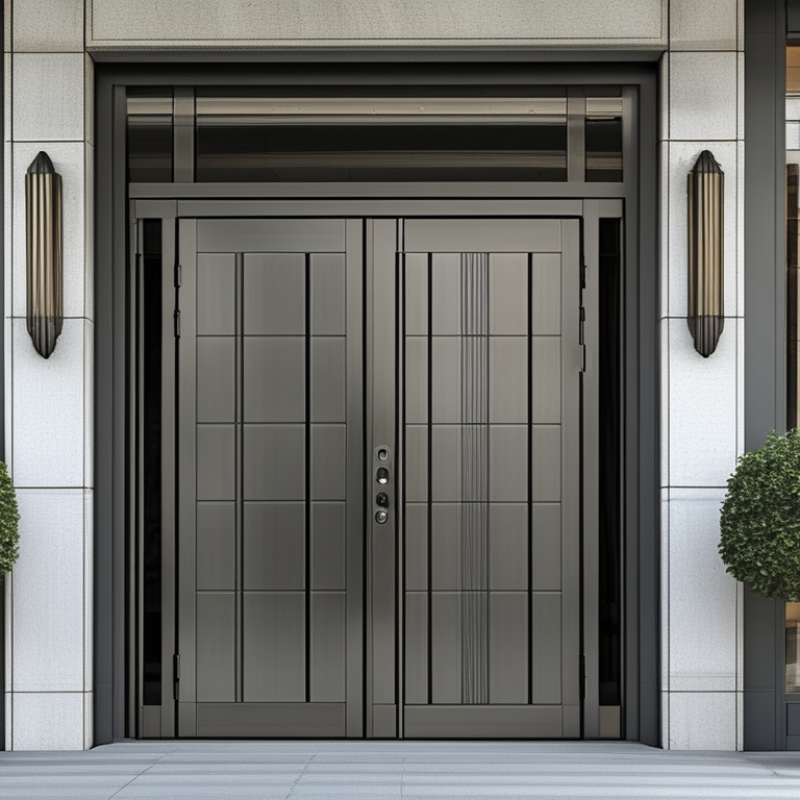
The Importance of Material Selection for Steel Wood Armored Doors
Material selection plays a crucial role in the effectiveness and durability of steel wood armored doors. Reports indicate that the right materials can enhance security and insulation properties. For instance, steel's tensile strength provides significant resistance against forced entry. In fact, a survey by the National Institute of Standards and Technology found that steel doors can reduce break-ins by up to 60%.
Wood is often used as an interior element. It adds aesthetic value and complements various designs. However, the choice of wood type can impact durability. Engineered wood tends to be more stable and resistant to warping than traditional solid wood. According to the American Wood Council, certain engineered woods can last over 30 years with proper maintenance. Yet, many consumers overlook this detail, choosing appearance over long-term performance.
Another important factor is insulation. A door's core material affects its thermal performance. Polyurethane foam cores are known for superior insulation properties. A study cited by the Department of Energy highlights that a well-insulated door can reduce energy costs by up to 15%. Despite these benefits, some may select cheaper options, risking energy efficiency and security. Balancing quality with cost is essential for a reliable solution.
The Best 7 Materials Used in Steel Wood Armored Doors
This bar chart represents the strength of different materials commonly used in steel wood armored doors, measured in megapascals (MPa). Understanding these properties is crucial for selecting the right material for specific security and durability needs.
Comparison of Steel Materials Used in Armored Doors
Armored doors play a crucial role in security. Understanding the different steel materials in these doors is essential. Steel grades like ASTM A36 and A992 are commonly referenced.
A36 offers good weldability and is cost-effective. It has a yield strength of about 36,000 psi, providing a solid option for residential security.
In contrast, A992 is often used for structural applications. This steel has a higher yield strength of 50,000 psi, making it advantageous for commercial and heavy-duty security doors.
Reports indicate that doors made from A992 are often more resistant to deformation under impact. Steel alloys can further enhance performance, though they might add to the cost and complexity.
However, balancing cost with effectiveness is tricky. Some materials may resist corrosion better, but can be more expensive to produce.
A study noted that up to 30% of metal costs could increase through high-quality coatings. This is essential to consider when investing in armored doors, especially for long-term use.
The variety in materials means users need to carefully assess their specific security needs against budgetary limits.
Types of Wood Enhancements for Armored Doors
When considering wood enhancements for armored doors, several materials stand out.
Walnut and oak are popular choices.
Both provide a robust aesthetic and durability. Walnut offers rich, dark hues, enhancing the door's visual appeal.
Oak, on the other hand, is lighter and has a distinct grain pattern. These woods can withstand wear and tear,
making them ideal for high-security environments.
Another enhancement option is laminate. It adds a layer of protection while allowing for various finishes.
This versatility helps the armored door blend seamlessly with home decor. Some laminate types mimic expensive wood appearances at a lower cost.
However, over time, laminate may peel or fade, which requires regular maintenance.
Incorporating veneer layers is also an effective method. Veneer can enhance the surface while keeping costs lower than solid wood.
However, it can be less durable than thicker, solid options. Additionally, seamless settings with wood composites can resolve issues of warping.
Though they appear appealing, these materials may lack the robust feel of traditional woods, leading to long-term concerns.
Protective Coatings and Finishes for Steel Wood Doors
When selecting protective coatings for steel wood armored doors, there are several key factors to consider. A common approach is to use galvanized finishes, which provide strong corrosion resistance. According to industry experts, about 25% of door failures arise from rust and deterioration. Thus, a quality coating can significantly enhance the door's lifespan.
Another effective protective finish is polyurethanes. These coatings create a tough surface that resists scratches and impacts. They also allow for flexibility in color and finish, catering to various aesthetic preferences. Research indicates that doors with polyurethanes can last up to 15 years longer than those without. However, not all polyurethane coatings offer the same level of durability, and it is vital to choose products backed by reliable performance reports.
Beyond aesthetic appeal, fire-rated coatings are crucial for safety. These specialized finishes can withstand high temperatures, potentially saving lives in emergencies. Data shows that fire-rated doors reduce risk by over 80% in commercial properties. However, the application requires careful execution to ensure compliance with safety regulations. Without proper installation, even the best materials might not meet required standards.
Innovative Composite Materials in Modern Door Manufacturing
Modern door manufacturing has embraced innovative composite materials, enhancing both performance and aesthetics. These materials combine the strengths of different substances to create a robust, durable door. They improve insulation and security while keeping weight low. For instance, doors often blend steel with fiberglass or aluminum for added resilience.
Architects and builders increasingly favor materials like honeycomb cores. They provide excellent strength-to-weight ratios. Visually appealing finishes enhance curb appeal. While these innovations offer great benefits, they may also present some challenges. The long-term durability of these composites is still under evaluation. Consumers should research material specifications before making a selection.
Furthermore, the recycling of composite materials poses questions. Sustainable practices are essential in today's manufacturing landscape. There is an ongoing need to balance innovation with environmental responsibility. Keeping up with advancements in material science is vital for the future of door manufacturing. Each choice matters, influencing security and longevity for years to come.
The Best 7 Materials Used in Steel Wood Armored Doors
| Material |
Properties |
Advantages |
Common Applications |
| Steel |
Durable, strong, and resistant to impact |
High security and longevity |
Main entry doors, commercial buildings |
| Wood Laminate |
Aesthetic, lightweight, layered construction |
Enhances appearance while providing insulation |
Interior doors, residential homes |
| Fiberglass |
Weather resistant, low maintenance |
Resistant to warping and cracking |
Exterior doors, coastal areas |
| Aluminum |
Lightweight, corrosion resistant |
Easy to install and maintain |
Commercial applications, fire exits |
| Composite Materials |
Combination of metal and polymer |
Enhanced strength and thermal efficiency |
High-end residential and commercial doors |
| Steel Wood Core |
Solid wood center with steel reinforcement |
Excellent sound insulation and security |
High-traffic entrances, schools |
| Polyurethane Foam |
Lightweight, high energy efficiency |
Excellent insulation properties |
Energy-efficient doors, residential applications |
FAQS
: Material selection affects security and durability. The right materials improve insulation and resistance against forced entry.
Steel provides strong resistance to forced entry. It can reduce break-ins by up to 60%.
The type of wood impacts durability. Engineered wood is more stable and lasts longer than solid wood.
Consumers often prioritize appearance over performance. They should focus on long-term durability instead.
Core materials like polyurethane foam enhance insulation. A well-insulated door can reduce energy costs by 15%.
Cheaper options can compromise energy efficiency and security. Balancing cost with quality is essential.
Composite materials combine strengths from different substances. They improve performance while keeping weight low.
The long-term durability of composite materials is still being assessed. Consumers should do thorough research.
Sustainable practices are needed as materials evolve. Balancing innovation with environmental responsibility is vital.
Each choice influences security and lifespan. Consumers should reflect on how materials impact future performance.
Conclusion
A steel wood armored door is engineered for both security and aesthetic appeal, blending the strength of steel with the warmth of wood. The selection of materials is crucial, as high-quality steel provides durability and resistance to forced entry, while wood enhances the door's visual appeal. The article explores various steel materials typically used in armored doors, such as galvanized and stainless steel, which offer different levels of corrosion resistance and structural integrity.
Additionally, the piece discusses enhancements for wood, like pressure treatments and laminates, which improve longevity and performance. Protective coatings and finishes are also highlighted, providing resistance against weathering and wear. Finally, innovative composite materials are examined, showcasing advancements in door manufacturing that combine resilience with design flexibility. In summary, understanding what a steel wood armored door is made of— from the core steel to the exterior wood and protective elements— is essential for selecting a door that meets both security needs and aesthetic preferences.

 Larsom Door