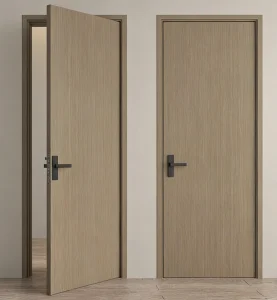
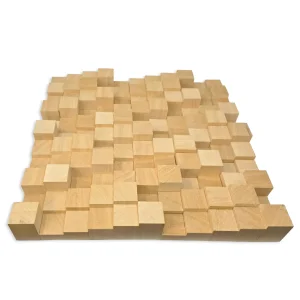
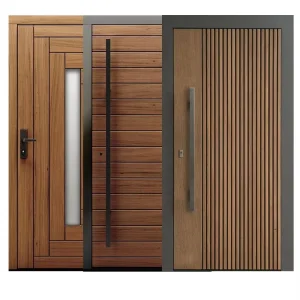
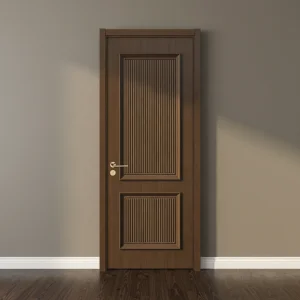
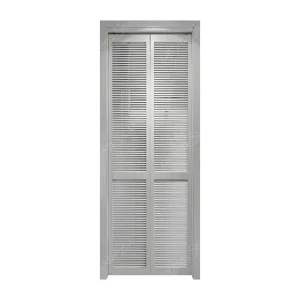
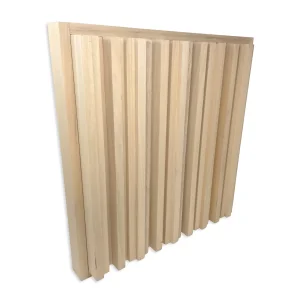
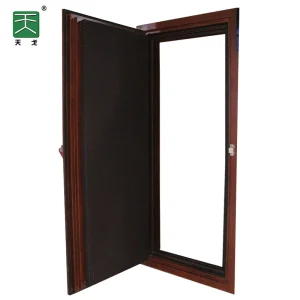
Explore our high-performance soundproof doors, wood diffuser panels, and UL-certified fireproof door systems manufactured to the highest industry standards.
In contemporary architectural design, the management of sound transmission has shifted from a luxury secondary upgrade to a regulatory and environmental health necessity. Rapid urbanization, combined with the exponential growth of content creation studios, podcasting booths, private home cinemas, and mixed-use luxury hospitality complexes, has created an unprecedented global demand for high-performance acoustic isolation systems. Soundproof studio wooden doors sit at the very heart of this development, functioning as the primary barrier against both airborne and structure-borne noise leaks.
The global acoustic door market is heavily shaped by regional building safety acts and environmental noise reduction mandates. In North America and Europe, stringent international standards—such as ASTM E90 for sound transmission loss, and BS/UL fire safety regulations—require acoustic assemblies to deliver certified Sound Transmission Class (STC) ratings alongside multi-hour fire resistance. Consequently, project developers, acoustic engineers, and interior contractors require highly sophisticated door systems that do not compromise aesthetic elegance for structural physics. Solid wood and composite engineered wooden doors are uniquely suited to meet these dual requirements, offering superior natural damping properties, flexible veneer finishing options, and the structural mass needed to interrupt acoustic pathways.
Zhejiang Larsom Door Co., Ltd. is an industry-leading manufacturer specializing in the research, development, production, and global export of premium-grade security doors, acoustic doors, armored entrance systems, and custom steel-wood door systems. Guided by our foundational philosophy of "Quality First, Customer Foremost, Innovation for the Future," we have developed an advanced design-to-delivery ecosystem designed to satisfy the rigorous specifications of global commercial and residential projects.
Operating a state-of-the-art manufacturing facility spanning over 16,000 square meters, our enterprise is powered by an agile and highly trained workforce of 160+ industry specialists. With a stable daily output exceeding 200 premium door sets, we comfortably manage high-volume commercial contracts while offering bespoke OEM/ODM design flexibility for luxury residences and boutique recording studios worldwide.
Our export footprint spans more than 130 countries and regions across Europe, the Middle East, Africa, South America, and Central/Southeast Asia. We collaborate closely with top-tier construction contractors, developers, acoustic consultants, and commercial wholesalers to deliver high-performance solutions that are certified to international standards.
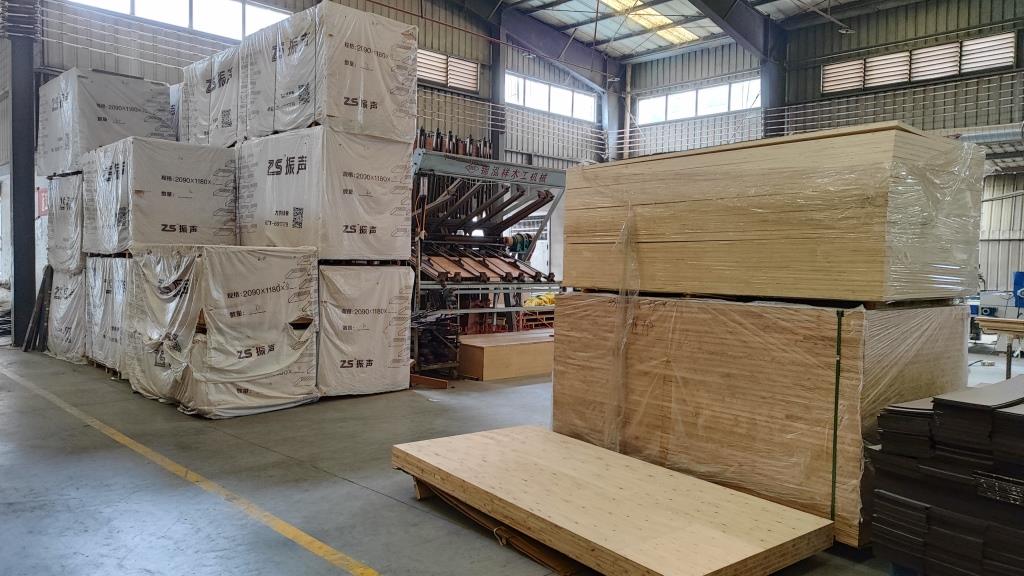
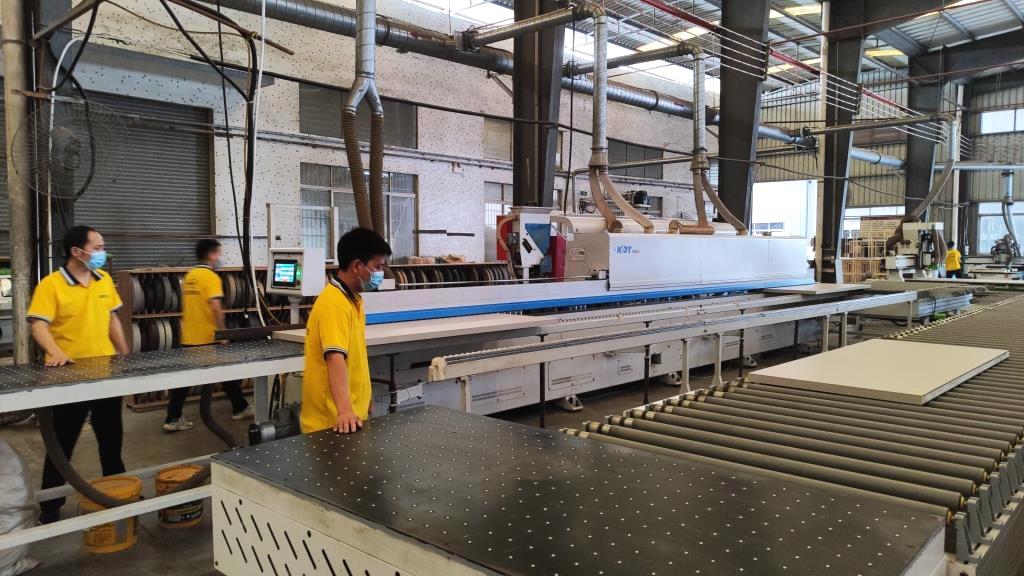
Larsom Door leverages cutting-edge CNC equipment, computerized hot presses, and automated powder coating processes to ensure microscopic tolerance control and unmatched finish quality.
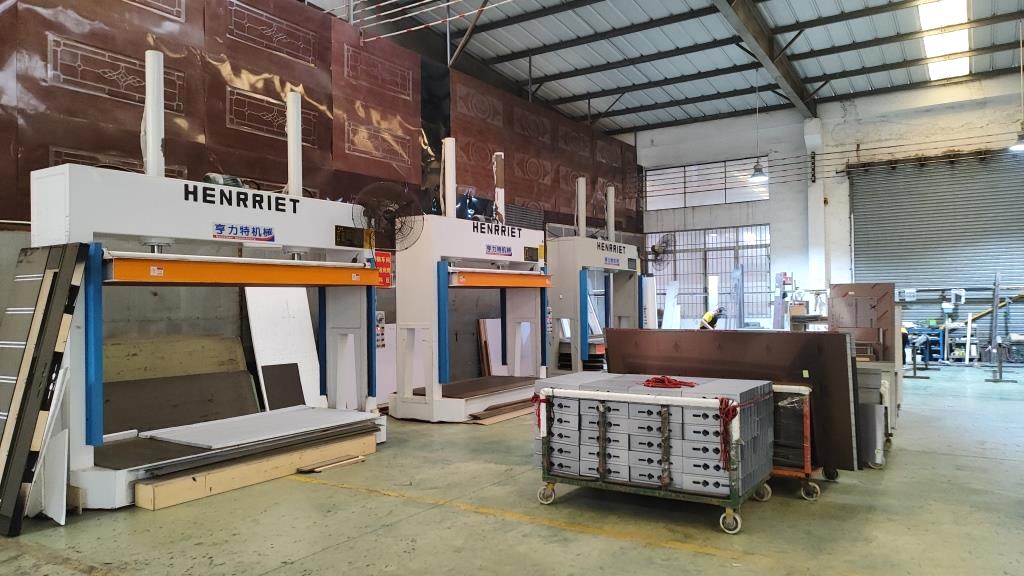
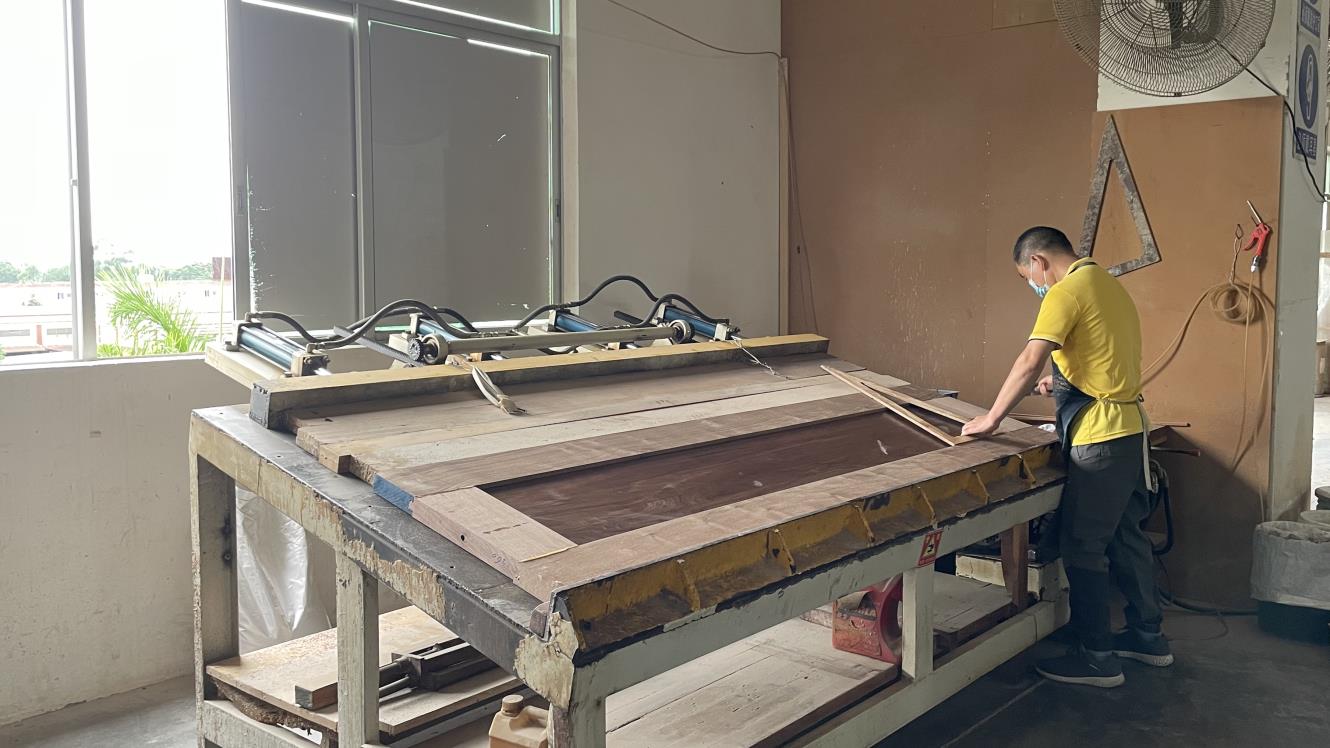
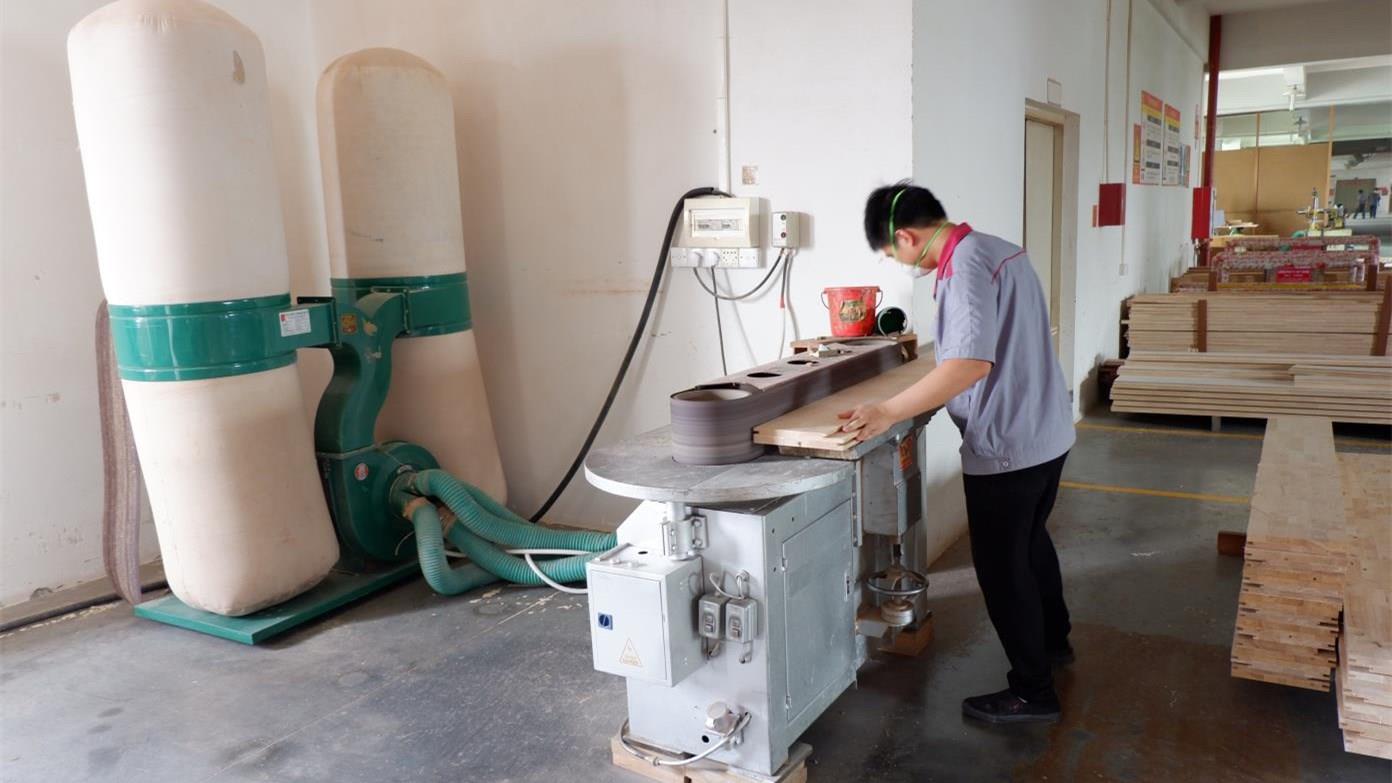
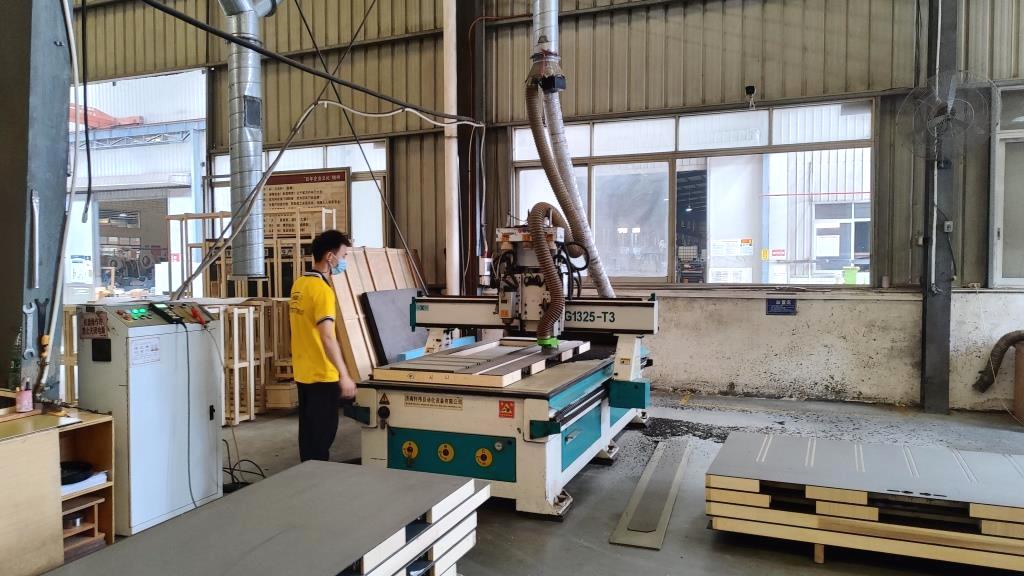
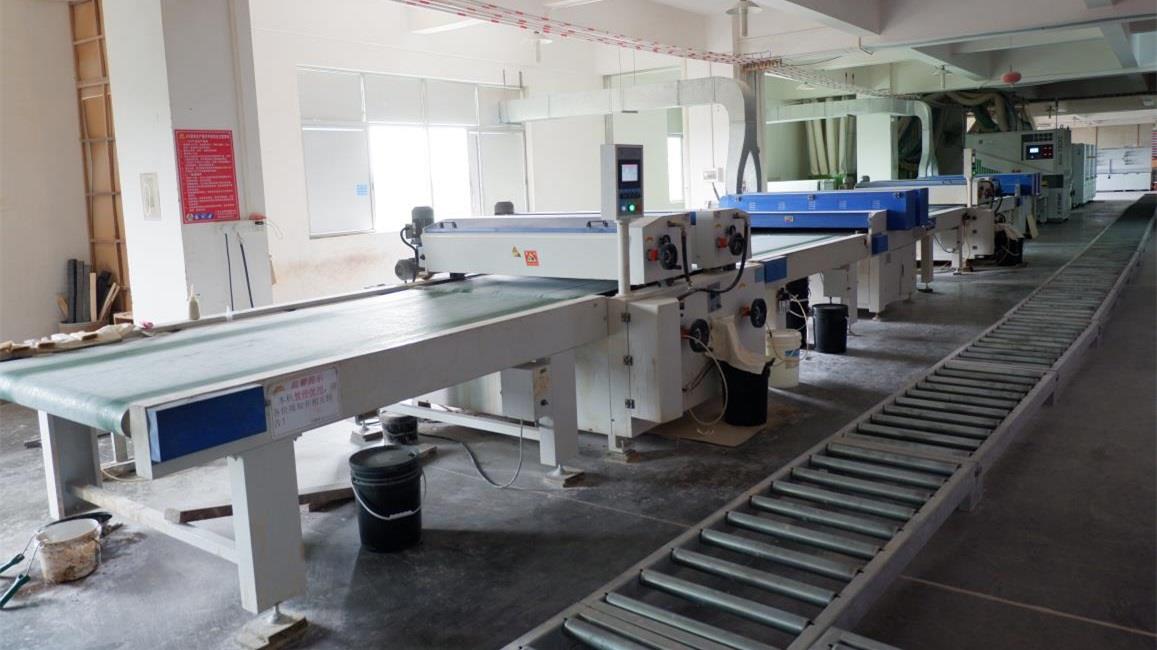
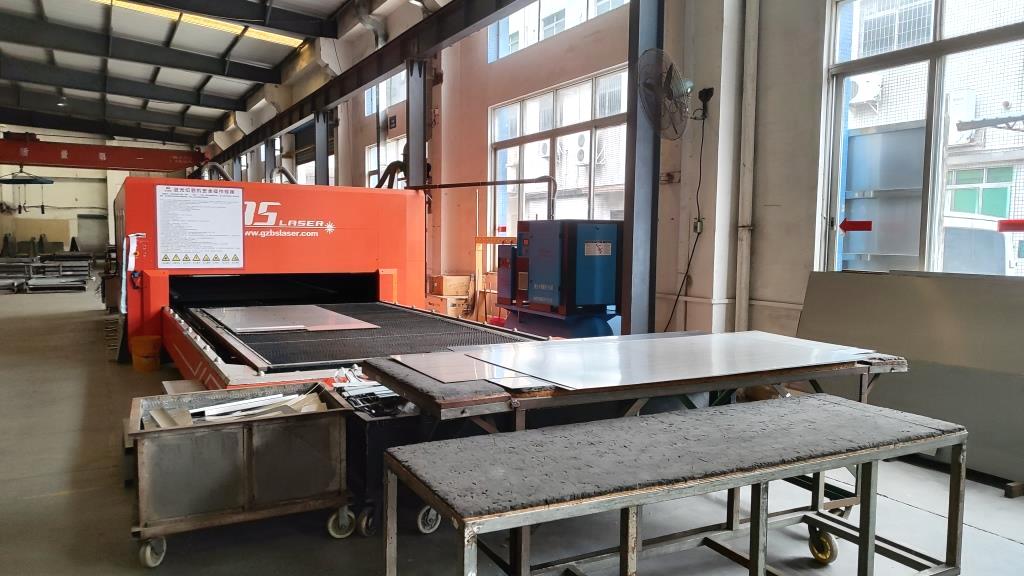
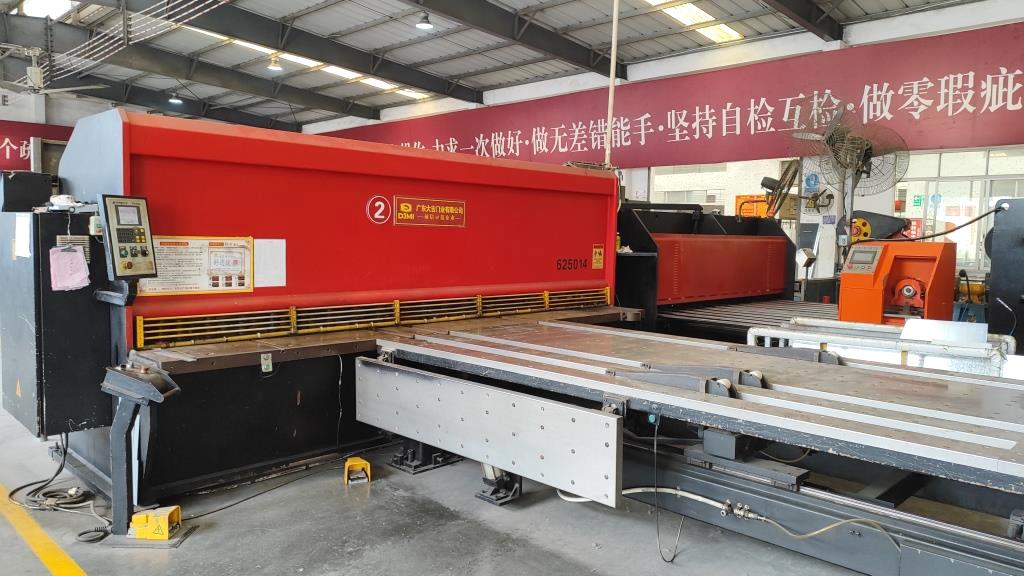
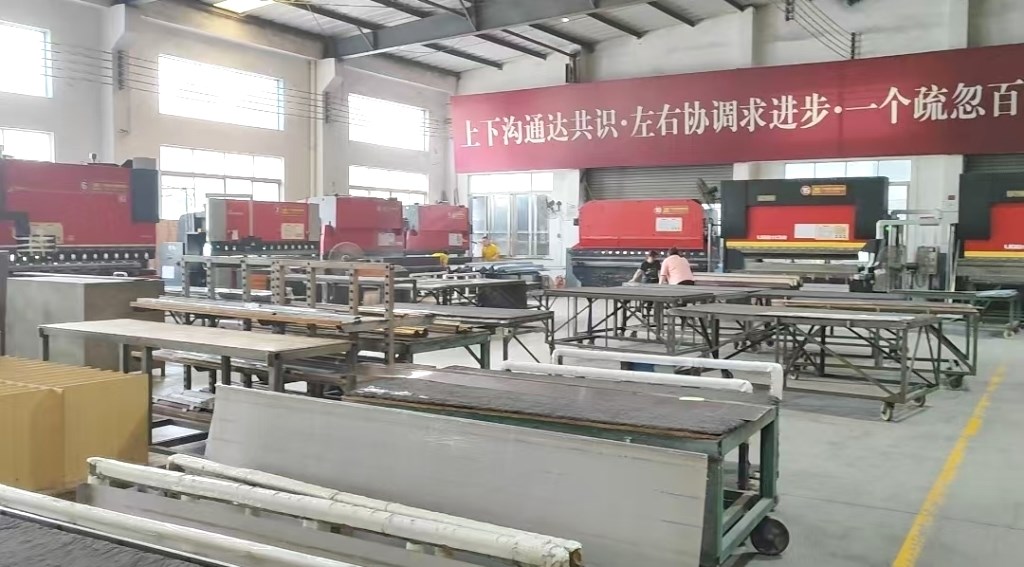
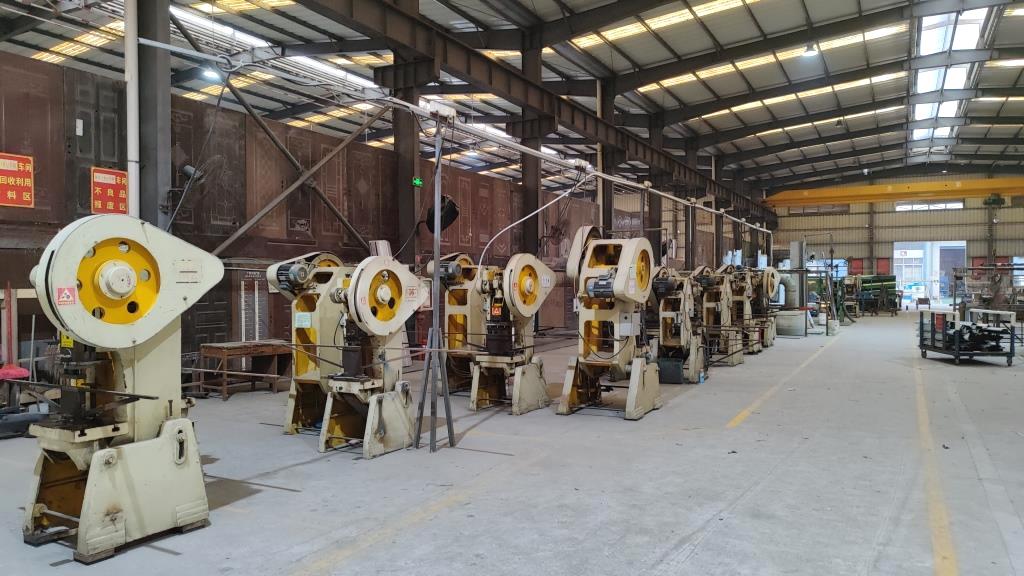
The global dominance of Chinese acoustic door manufacturers is built on a foundation of raw materials access, cluster manufacturing efficiencies, and integrated technology stacks. While Western factories face high raw material costs and longer production times, our facility in Zhejiang benefits from a mature local supply chain, allowing us to source premium materials—such as high-density acoustic wood composites, fireproof mineral cores, structural steel framing, and Italian import veneers—with minimal lead time.
This local concentration of suppliers, paired with our investment in CNC laser cutters, high-precision bending machinery, and automated sanding systems, allows us to optimize manufacturing speeds while maintaining strict dimensional tolerances. Our scale lets us amortize setup costs across large commercial production runs, offering pricing that matches budget parameters without sacrificing material densities or sound isolation performance. For developers, this translates to faster project completion times, reliable quality control across bulk orders, and access to premium designs at highly competitive rates.
Direct partnerships with key regional suppliers of high-density MDF, specialty structural lumber, mineral board, and acoustic seal systems keep material costs low and quality high.
Automated laser cutting and panel sanding machinery ensure micro-tolerance alignments, essential for eliminating structural gaps that leak sound waves.
With a capacity of over 200 doors per day, we can manufacture, inspect, and package custom volume orders faster than regional custom shops.
Acoustic requirements vary significantly depending on the design and function of the space. A high-end recording studio, for example, demands near-total isolation from external structure-borne vibration and ambient noise, requiring doors with STC ratings of 45 or higher. These assemblies utilize multi-layer composite cores, viscoelastic damping adhesives, and heavy perimeter gaskets to prevent acoustic transmission across low, mid, and high frequencies.
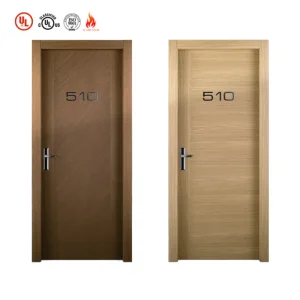
In contrast, luxury hotels and premium multi-family residences place a premium on fire safety alongside acoustic isolation. In these settings, doors must blend with the building's aesthetic design while complying with local code requirements. These properties typically require doors with a 20-to-90-minute fire rating (UL 10C certified) and moderate sound insulation (STC 35-40). For corporate boardrooms and institutional structures, the priority shifts toward sleek, clean designs, integration with magnetic security systems, and high durability for high-traffic environments. Larsom Door addresses these varied requirements by offering custom engineering services, matching core densities, frame configurations, and hardware pre-preps to the exact needs of your site.
Procuring architectural-grade door solutions requires close attention to international regulatory certifications, production quality controls, and secure shipping logistics. At Larsom Door, we implement a comprehensive quality control protocol starting with the inspection of raw lumber moisture levels (kept between 8% and 12% to prevent warping during transport) and ending with final acoustic test validations.
We work closely with project managers to handle regional regulatory filings, including UL 10C listings for US commercial building codes and CE compliance for European Union directives. To protect product finishes during maritime transport, all door assemblies are wrapped in protective film, padded with corner protectors, and packed in reinforced multi-layer corrugated cartons. This packaging protects against humidity variations and handling stresses, ensuring our doors arrive at your jobsite ready for immediate installation.
The field of architectural acoustics is evolving rapidly, driven by advances in eco-friendly materials and smart building integrations. Modern project specifications increasingly demand sustainability certifications alongside sound performance. Architects favor materials with low-VOC emissions, FSC-certified timber, and recycled mineral binders to meet LEED and BREEAM green building certifications.
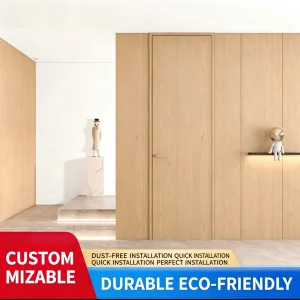
At the same time, design preferences are moving toward minimalist aesthetics. Frameless acoustic doors and hidden pivot hinges allow doors to blend cleanly with wood panel systems. These systems maintain tight acoustic seals through magnetic auto-drop seals and continuous compression gaskets, combining clean architectural lines with high performance. As home automation systems become more common, acoustic door assemblies are also designed to integrate with smart card readers, electronic panic hardware, and automated operators.
Answers to common technical, design, and regulatory questions from developers, project managers, and distributors.
Browse our complete line of modern solid wood doors, wood diffusers, and recording studio doors engineered for commercial projects and specialized spaces.
 Larsom Door