Choosing the right lock for an armored door can be a daunting task. With so many options available, it’s crucial to focus on key factors. The lock must provide security, durability, and ease of use. Understanding how to choose the right lock for an armored door requires a blend of knowledge and experience.
While many locks claim to offer superior protection, not all are suitable for armored doors. Look for features like deadbolts, reinforced materials, and advanced locking mechanisms. It’s essential to prioritize the lock’s resistance to drilling, picking, and force. Sometimes, even reputable brands might not meet specific security needs, leading to regret later on.
Additionally, consider consulting with a locksmith for expert advice. They can guide you in the intricate world of locks, ensuring your choice aligns with your security requirements. Remember, an armored door is only as strong as its lock. Making an informed decision is vital for your peace of mind.
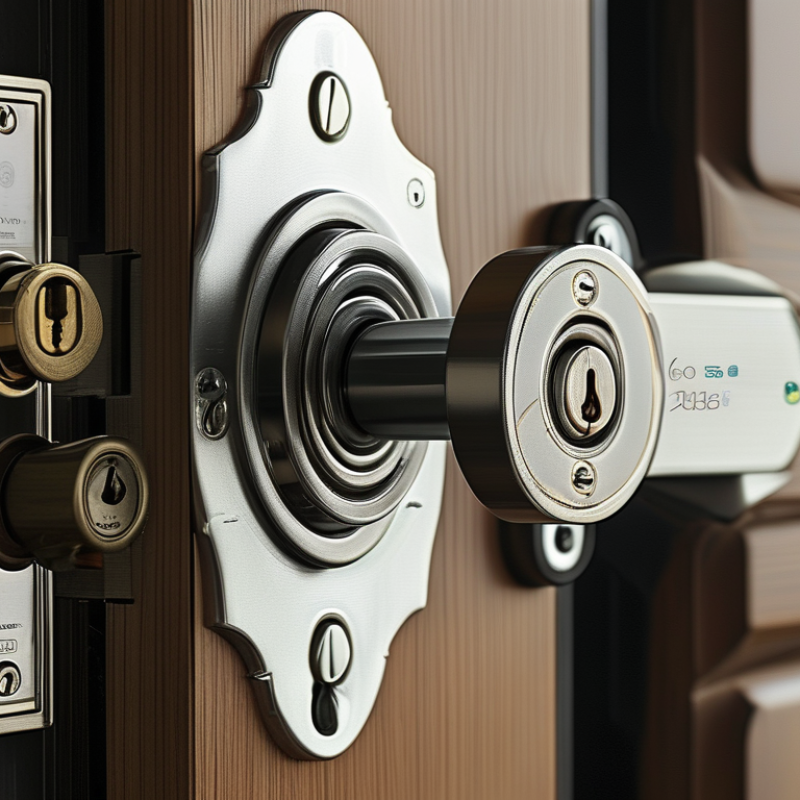
Armored doors are designed to provide enhanced security for homes and businesses. They are typically constructed with reinforced materials and feature various locking mechanisms. Understanding these mechanisms is crucial for selecting the appropriate lock. According to industry reports, over 70% of break-ins occur through poorly secured entry points. Therefore, the choice of locks can significantly impact overall security.
When selecting a lock for armored doors, consider the type of locking mechanism. Deadbolts are often recommended due to their durability and resistance to forced entry. Regular locks may not provide sufficient protection. A report published by the Security Industry Association suggests that the use of high-security locks can reduce break-ins by 30%.
Tips: Ensure the lock you choose is compatible with your specific door type. For added security, look for locks with anti-drill plates. Assess the ease of operation; complex mechanisms may deter users but can also be frustrating. Reflect on your personal security needs. Are you willing to invest in a high-security lock? Your answer will guide your selection process.
When choosing the right lock for armored doors, certain key features should be prioritized. First and foremost, durability is essential. Locks made from high-quality materials, such as hardened steel, can withstand brute force attacks. According to industry reports, over 30% of break-ins occur through forced entries. A strong lock mitigates this risk significantly.
Consider the locking mechanism as well. Deadbolts, for example, provide an added layer of security. A study from the Security Research Institute indicates that doors equipped with deadbolts are 50% less likely to be breached. It's crucial to ensure that the lock has a robust bolt that fully extends into the door frame.
Tips for selecting locks include checking for certifications like ANSI/BHMA ratings. A lock rated at Grade 1 is the highest level of residential security. Additionally, ease of operation should not be overlooked. A lock should be user-friendly for all household members. In contrast, complex mechanisms might hinder urgent access during emergencies. Prioritizing both security and usability is key in making the right choice.
When selecting a lock for armored doors, understanding the types available is essential. Armored doors require robust locking mechanisms due to their inherent security features. Common options include deadbolts, electronic locks, and smart locks. According to industry data, deadbolts are favored for their resistance to forced entry, offering a solid choice for added security.
Electronic locks provide convenience and additional security. They eliminate the need for physical keys, utilizing codes or biometric data instead. Reports indicate that electronic locks reduce unauthorized access by 30%. However, they may be vulnerable to hacking, which raises concerns. It’s important to choose models with high encryption standards.
Smart locks take security a step further, integrating with home automation systems. These locks can send alerts and allow remote access. Yet, reliance on technology means potential glitches. Data shows that while these locks improve convenience, human error remains a common issue in their use. Ultimately, each lock type has distinct advantages and limitations, making informed choices crucial for enhancing security in armored doors.
When selecting locks for armored doors, security ratings are paramount. Look for locks that meet or exceed standards set by organizations like ANSI. For instance, ANSI Grade 1 is a top-tier rating for commercial locks. This indicates a higher level of resistance to forced entry and tampering. Data from the U.S. Department of Justice shows that homes with strong locks deter 57% of potential burglars.
Understanding standards is crucial. The American National Standards Institute (ANSI) provides a framework for testing lock durability and security. A lock with a high security rating has been tested for strength and reliability. Some experts highlight that locks certified by Underwriters Laboratories (UL) often endure rigorous assessments, ensuring that they can withstand prolonged attacks. However, some locks may still have vulnerabilities.
It's essential to reflect on your specific security needs. Every location has unique risks. A high-rated lock does not guarantee safety against all threats. The type of door, its frame, and installation quality also play critical roles. A seemingly excellent lock may underperform if the door is weak. Always consider the complete security environment for effective protection.
When installing locks on armored doors, several factors must be considered. The door's material plays a crucial role. Armored doors are typically made of steel or reinforced materials, which can affect the lock type. It is essential to choose a lock designed specifically for these robust structures. Standard locks may not provide the required security, potentially compromising the door’s integrity.
Furthermore, the installation process can be complex. Professional installation is recommended to ensure optimal performance. The mounting location of the lock is critical. It should be positioned where it can resist tampering and forced entry. An improperly placed lock can become a weak point. This can lead to vulnerabilities that savvy intruders might exploit.
Evaluate the lock's grade as well. Locks are rated based on their resistance to break-ins. Higher-grade locks offer better security but may require specific technical knowledge to install properly. Mistakes in installation can render even the most secure locks ineffective. Assessment of the surrounding area also plays a role. Poor lighting or accessibility can increase security risks, even with the best locks. Always consider these factors in your choice of lock and installation method.
| Feature | Description | Importance | Notes |
|---|---|---|---|
| Type of Lock | Deadbolts, Mortise Locks, Electronic Locks | High | Choose based on security level needed |
| Material | Steel, Brass, Zinc Alloy | Medium | Steel is recommended for durability |
| Security Ratings | BHMA Grade 1, 2, 3 | High | Grade 1 offers the highest protection |
| Ease of Use | Single Cylinder, Double Cylinder | Medium | Consider user accessibility |
| Installation Type | Surface Mounted, Flush Mounted | Medium | Ensure compatibility with the door |
| Cost | Budget vs. High-End Models | High | Invest in quality for security |
| Warranty | Length and Coverage | Medium | A good warranty indicates reliability |
: Durability is essential. Look for locks made from high-quality materials, like hardened steel.
Strong locks significantly mitigate risks. Over 30% of break-ins happen through forced entries.
Yes, deadbolts provide an added layer of security. They lower breach likelihood by 50%.
Look for ANSI/BHMA ratings. Grade 1 is the highest residential security level.
User-friendliness ensures all household members can access locks during emergencies.
Ratings indicate resistance to forced entry. A high rating often suggests reliable locks.
The American National Standards Institute (ANSI) outlines testing frameworks for lock durability.
Yes, some locks may still be at risk. Installation quality and door strength matter too.
Your location's unique risks and door frame quality significantly influence lock effectiveness.
Consider the specific threats in your area. A seemingly great lock might not fit all situations.
When considering how to choose the right lock for an armored door, it's essential to first understand the unique characteristics and locking mechanisms specific to armored doors. These doors are designed to provide enhanced security, but the effectiveness of that security largely depends on the lock used. Key features to look for include durability, resistance to picking and drilling, and compatibility with the door's design.
Different types of locks, such as deadbolts, smart locks, and mortise locks, can be suitable for armored doors, with each offering distinct advantages. Evaluating security ratings and standards is crucial to ensure that the lock meets necessary safety benchmarks. Additionally, installation considerations play a critical role in the overall effectiveness of the locking mechanism, as a properly installed lock provides better resistance against forced entry.

Larsom Door