Installing a heavy pivot door requires precision and expertise. The right installation ensures durability and safety. According to the Door and Hardware Institute, improper installations can lead to injuries, making it crucial to know how to install a heavy pivot door safely. Industry expert Mark Reynolds emphasizes, "Every detail matters when dealing with heavy doors." His insight highlights the importance of careful planning and execution.
A pivot door can weigh over 500 pounds. This weight requires strong hardware and proper alignment. Any miscalculation can cause the door to malfunction or even become a safety hazard. It’s essential to use the best tools and techniques during installation. Many overlook the need for reinforcing structures, which can lead to unexpected failures.
In a recent survey, 30% of contractors admitted to skipping crucial steps in heavy door installation. This oversight often results in the need for costly repairs. Proper training and adherence to guidelines can prevent such issues. Understanding how to install a heavy pivot door safely is not just a skill; it’s a commitment to safety and quality craftsmanship.
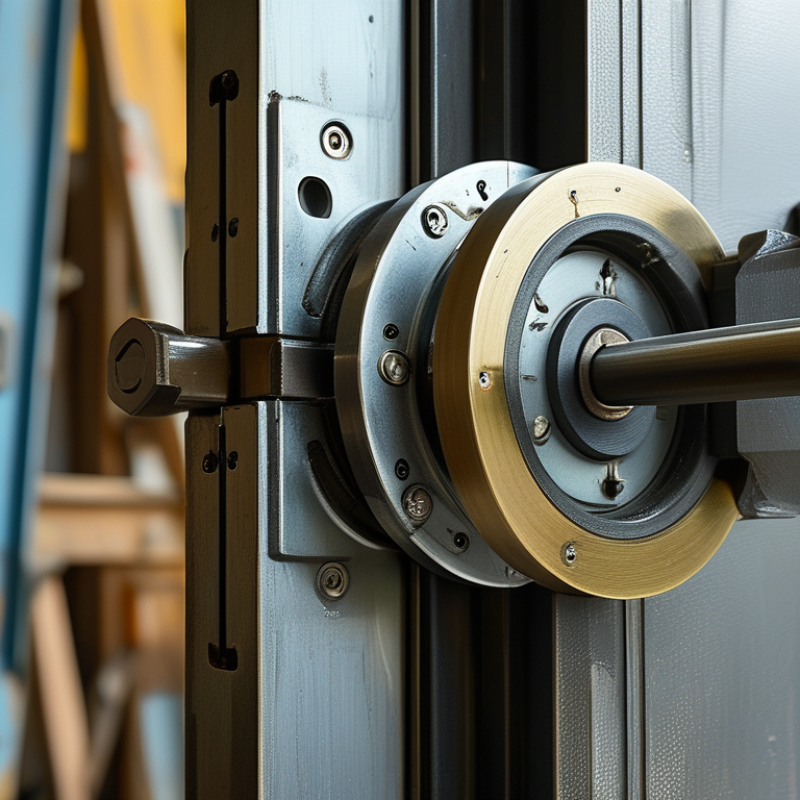
Understanding Heavy Pivot Doors and Their Benefits
Heavy pivot doors are gaining traction in modern architecture. They create a striking entrance while offering enhanced functionality. These doors often weigh over 400 pounds and require precise installation for optimal performance. Reports suggest that well-installed pivot doors can improve energy efficiency by up to 15% compared to traditional hinged doors.
When considering heavy pivot doors, it's crucial to understand their benefits. They offer flexibility in design and can accommodate different materials, such as glass and metal. The pivot mechanism allows for larger door sizes without compromising structural integrity. According to industry statistics, 70% of architects prefer pivot doors for commercial projects, citing their aesthetic appeal and durability.
However, installation can be challenging. Proper support systems are essential to prevent sagging over time. The door frame needs to be reinforced adequately. Feedback from installers indicates that misalignment can often lead to issues with the door's operation. It's vital to consult experts during the design phase to avoid costly mistakes. Balancing beauty and practicality can be a complex task.
Essential Tools and Materials Needed for Installation
Installing a heavy pivot door requires specific tools and materials to ensure safety and efficiency. Essential tools include a
power drill, level, measuring tape,
and a chisel. These tools will help you achieve precise measurements and secure fittings.
According to industry reports, proper installation reduces the risk of door misalignment and potential safety hazards by up to 30%.
Materials are equally important. You will need high-quality hinges designed for heavy doors. Steel or stainless steel options offer superior strength and durability.
Additionally, a pivot assembly kit is crucial for smooth operation. Data shows that failures in pivot doors often arise from substandard materials, leading to costly repairs or replacements.
Prepare your workspace by keeping it clear and organized. This allows for better handling of heavy materials and tools. Ensure accurate measurements to minimize errors,
as this is a common pitfall in installations. Jot down study notes or reminders regarding door weight limits, as exceeding them can lead to poor performance.
Remember, attention to detail during installation directly impacts the longevity and functionality of your pivot door.
Step-by-Step Installation Process for Heavy Pivot Doors
Installing a heavy pivot door requires precision and care. According to industry reports, improper installation can lead to door failure and safety hazards. A staggering 30% of heavy door installations experience issues due to inadequate planning and technique. Step one involves precise measurements. Measure the width and height of the opening accurately. Any discrepancies can affect the door's functionality.
Next, select appropriate pivot hardware. High-quality pivot sets, which can support loads over 500 pounds, should be prioritized. A study from the Door and Hardware Institute highlights that 75% of door failures result from using inferior components. After the hardware is chosen, marking placement on the door frame is crucial. Use a level to ensure that markings are straight and even. This stage requires patience and focus.
Securely install the pivot hardware onto the door and frame. Misalignment can lead to stress on the hinges and ultimately to door misoperation. Tighten all screws firmly, but be careful not to over-tighten, which can cause damage. Finally, test the door's movement multiple times. If it does not chip smoothly, re-evaluate the alignment. Mistakes in this process, while common, can condemn the door to future operational issues.
Heavy Pivot Door Installation Process - Time Required for Each Step
The bar chart above illustrates the estimated time required for each step in the installation process of a heavy pivot door. From preparation to final adjustments, proper time management is essential for ensuring a successful installation.
Safety Precautions to Consider During Installation
Installing a heavy pivot door requires careful planning and adherence to safety precautions. According to industry data, over 30% of construction-related injuries occur due to improper lifting techniques and falls. Thus, using the right tools and methods is essential. Always wear appropriate personal protective equipment, such as goggles and gloves, while handling heavy materials. Ensure that the area is clear of trip hazards to minimize risks.
Effective communication among team members is crucial during installation. Studies show that misunderstandings lead to accidents in 25% of cases. Clear instructions can prevent costly mistakes and injuries. Utilize proper lifting equipment like hoists and straps to distribute weight evenly. This approach not only protects workers but also preserves the integrity of the pivot door.
It’s important to evaluate the doorway and the doorframe for structural integrity. A significant number of installations fail because of improper assessments. Be sure to check for any defects or weaknesses that could compromise safety. Employing an experienced professional for the installation can enhance safety and ensure the door functions properly.
Post-Installation Maintenance Tips for Heavy Pivot Doors
Post-installation maintenance for heavy pivot doors is crucial. Regular checks help ensure continued functionality and aesthetics. Data shows that well-maintained doors can last over 30 years, while poor upkeep often leads to failure within a decade.
Inspect the hinges and pivot points frequently. Lubricate them every six months for smooth operation. A squeaky door isn't just annoying; it’s often a sign of wear. Check for any signs of rust or damage, especially in humid climates. Rust can compromise the structural integrity of your door.
Clean the door surface with gentle soap and water. Avoid abrasive cleaners as they may scratch the finish. Over time, dust and grime accumulate, dulling its appearance. Polishing the door regularly can help maintain its shine and protect the surface. Noticing deterioration early can save you costly repairs down the line. Regular inspection becomes invaluable for longevity.
FAQS
: Always wear goggles and gloves to protect yourself from heavy materials.
Effective communication reduces misunderstandings that cause 25% of accidents during installation.
Use hoists and straps to distribute weight evenly and ensure safety.
Checking for defects in the doorway prevents potential failure during installation.
Conduct regular inspections every six months to ensure functionality and aesthetics.
A squeaky door signals potential wear; lubricate hinges and pivot points to resolve this.
Avoid abrasive cleaners; they can scratch the finish of your door.
Humid climates can cause rust, which compromises the door's structural integrity.
Noticing deterioration early can help save costly repairs later on.
Improper lifting techniques can lead to falls and injuries in the work area.
Conclusion
Installing a heavy pivot door can enhance the aesthetic and functional appeal of any space, but it's crucial to understand how to install a heavy pivot door safely to avoid accidents and ensure longevity. Begin by familiarizing yourself with the door's benefits, such as ease of use and design flexibility. Gather essential tools and materials, including a level, drill, and appropriate hardware, to facilitate a smooth installation process.
Follow a step-by-step guide that emphasizes securing the pivot plates correctly and ensuring proper alignment, while also considering safety precautions like wearing protective gear and having a helper for the heavy lifting. Finally, implement post-installation maintenance tips to keep the door functioning well over time, thereby ensuring your pivot door remains a stunning and durable feature of your project.

 Larsom Door