Why is My WPC Door Swelling at the Bottom Solutions?

Time:2026-07-01 Author:Sophia
0%

When homeowners encounter the issue of "why is my WPC door swelling at the bottom," it can lead to frustration and confusion. To shed light on this common problem, we turn to Richard Thompson, a well-respected expert in composite materials. He states, “Moisture absorption is the primary culprit behind WPC door swelling.” This insight underscores the critical relationship between WPC composition and environmental factors.

Swelling can occur when doors are exposed to high humidity or water. The bottom edge is particularly vulnerable as it often remains close to the ground where moisture is easily trapped. Homeowners may notice gaps, sticking, or an uneven fit when their doors swell. Meanwhile, a lack of proper sealing can exacerbate these issues.

Considering the characteristics of WPC, it's essential to maintain a dry environment. Informing yourself about preventive measures can save you time and money on repairs. Reflecting on this, one might ponder: could better maintenance have avoided this situation? Understanding the underlying causes will help you take effective action and prevent future issues.
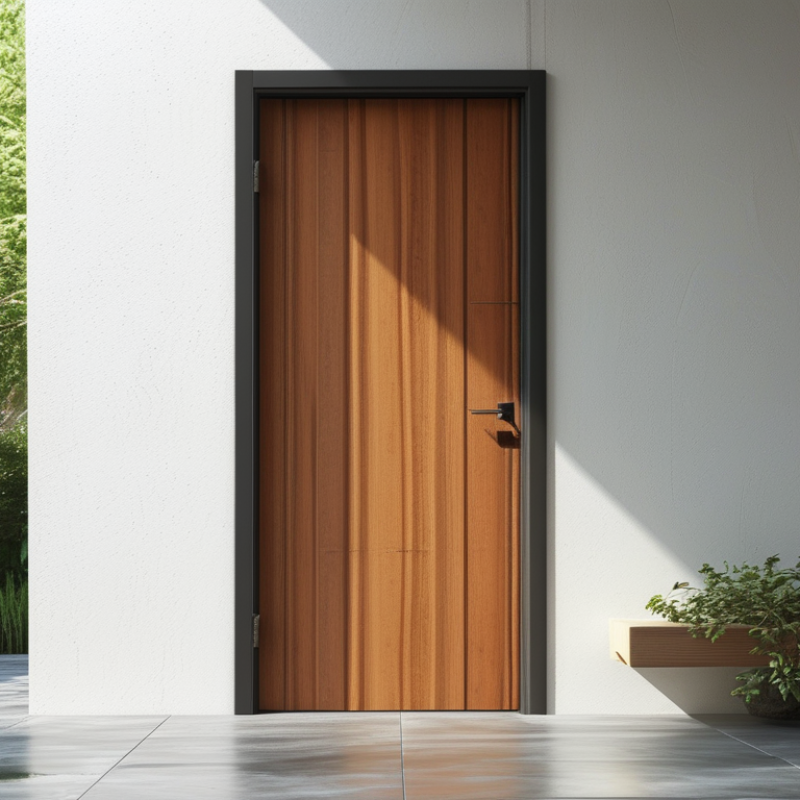
Why is My WPC Door Swelling at the Bottom Solutions?

Causes of WPC Door Swelling at the Bottom

WPC (Wood Plastic Composite) doors are popular for their durability and resistance to moisture. However, many homeowners face the issue of swelling, especially at the bottom of these doors. This swelling often results from prolonged exposure to moisture and humidity. When WPC absorbs too much water, it expands, causing unsightly gaps and difficulty in opening or closing.

One common cause is improper installation. If a WPC door is not correctly sealed or positioned, rainwater can seep in. Excessive humidity in the surrounding area can also contribute significantly to swelling. For instance, homes located near water bodies may experience more moisture exposure, leading to recurring problems with door integrity.

**Tips:** To prevent swelling, ensure proper air circulation around your door. Use dehumidifiers in areas with high humidity to maintain a stable environment. Regularly check seals and weatherstripping to ensure your doors are protected from moisture.

In some cases, temperature fluctuations can exacerbate the issue. Cold weather causes WPC to contract, while heat leads to expansion. Homeowners should be mindful of these changes. If swelling occurs, it may be necessary to sand down the edges to restore functionality. Each situation is unique, and identifying the root cause is vital for effective solutions.

Causes of WPC Door Swelling at the Bottom

This chart displays the different causes of WPC door swelling at the bottom, along with their estimated impact percentages. High humidity and water exposure are the leading causes, while factors such as poor quality materials and improper installation also contribute to the issue.

Identifying Signs of Swelling in WPC Doors

WPC doors, composed of wood plastic composite, can face swelling issues that many homeowners might overlook. Identifying signs of swelling is crucial to maintain the door’s functionality. One primary indicator is a noticeable gap at the top of the door paired with contact or resistance at the bottom. This misalignment can lead to further damage if not addressed promptly.

Humidity is a considerable factor in WPC door swelling. According to the American Society for Testing and Materials (ASTM), composite materials can absorb moisture, leading to expansion over time. High humidity areas can exacerbate this issue. In fact, studies show that up to 30% of composite door material can expand under certain conditions. Homeowners should regularly check for other signs, such as peeling paint or cracks, as these may indicate underlying swell issues.

Real-life instances reveal common mistakes. Some homeowners neglect routine maintenance, which can lead to prolonged exposure to moisture. Regular inspections could help catch swelling early on. Sometimes, minor adjustments may be all that’s needed. It’s important to understand that swelling is not always immediately visible. By staying attentive to these signs, one can mitigate long-term problems that arise from neglect.

Why is My WPC Door Swelling at the Bottom Solutions? - Identifying Signs of Swelling in WPC Doors

Signs of Swelling Possible Causes Recommended Solutions
Visible Bulging at the Bottom Exposure to moisture Ensure proper sealing and drainage systems in place
Cracks or Splits High humidity levels Use a dehumidifier in the area
Difficulty in Closing Improper installation Realign the door or contact a professional for adjustments
Visible Watermarks Water leakage Fix any leaks and dry the area thoroughly
Change in Color Sunlight exposure Apply protective coatings or relocate the door if possible

Impact of Humidity and Moisture on WPC Materials

WPC materials, or wood-plastic composites, are popular for their durability and low maintenance. However, their susceptibility to humidity and moisture can lead to issues, especially swelling at the bottom of doors. High humidity levels can cause these composites to absorb moisture, leading to expansion and changes in shape. This often results in doors that are difficult to open or close.


Understanding how humidity impacts WPC is crucial. When exposed to excessive moisture, WPC can swell significantly. This can happen during rainy seasons or in humid environments. If you notice your WPC door swelling, monitor the humidity levels regularly. This can help you take preventive actions.


Tips: Keep your WPC door away from direct water sources. A simple awning above the door can protect it from rain. Using a dehumidifier can also help control moisture levels indoors. Regularly inspecting the bottom of your door will alert you to early signs of swelling. Remember, addressing these issues quickly can prolong the lifespan of your WPC materials.

Preventative Measures to Avoid Door Swelling

Door swelling can be a frustrating issue for homeowners. Understanding how to prevent this can save time and money. One crucial measure is to maintain optimal humidity levels in your home. Experts recommend keeping indoor humidity between 30-50%. High humidity can lead to moisture absorption in WPC doors, causing them to swell.

Regular inspections and routine maintenance can also help. Checking the door seals can prevent water from seeping in. A study published in the Journal of Building Physics notes that doors exposed to high moisture conditions often show signs of swelling within six months. It's wise to address any leaks or drainage problems near doorways promptly.

Proper ventilation in entrances is vital. Ensure adequate airflow to minimize moisture buildup. Adding weather stripping can reduce exposure to rain or snow. Homeowners often overlook these simple adjustments. Yet, these measures can significantly mitigate swelling risks. Keep an eye out for any signs of swelling. Small changes can lead to substantial benefits in door longevity.

Effective Solutions for Fixing Swollen WPC Doors

Swollen WPC doors can be frustrating. They often expand at the bottom, making it tough to open or close them. High humidity is usually the culprit. Sometimes, poor installation can make matters worse. Understanding the causes is essential for effective solutions.


To tackle the issue, consider adjusting the door's hinges. Tightening them can help restore alignment. If that doesn’t work, you may need to shave off a small amount from the bottom of the door. Use fine sandpaper for this. Make sure to check the door frame too. A warped frame can lead to ongoing problems.


Another effective approach is controlling the humidity in your home. Using a dehumidifier can help keep moisture levels in check. Regular maintenance is also key. Inspect your WPC door yearly for signs of swelling or damage. This proactive approach may save you from bigger problems later. A little care goes a long way.

FAQS

: What are the common signs of swelling in WPC doors?

: Look for gaps at the top of the door and resistance at the bottom. These signs indicate misalignment, which can worsen.

How does humidity affect WPC door swelling?

High humidity causes WPC materials to absorb moisture, leading to expansion. Up to 30% swelling can occur in extreme conditions.

What routine maintenance can help prevent door swelling?

Regular inspections can spot swelling early. Check for peeling paint and cracks that hint at moisture issues.

Why is humidity control important for WPC doors?

Keeping indoor humidity between 30-50% minimizes moisture absorption, reducing the risk of swelling and extending door life.

How can homeowners protect WPC doors from direct moisture?

Install awnings above doors and use weather stripping to block rain or snow exposure. Simple changes can make a big difference.

What should I do if I notice early signs of swelling?

Act promptly by addressing leaks and ensuring proper ventilation. Small adjustments now can prevent larger problems later.

How often should WPC doors be inspected for swelling signs?

Regular inspections are key. Monthly checks can help catch issues before they lead to significant damage.

What is a common mistake homeowners make regarding WPC doors?

Neglecting routine maintenance is a frequent oversight. This can lead to prolonged exposure to damaging moisture and swelling.

Conclusion

In addressing the question "why is my WPC door swelling at the bottom," it’s essential to understand the underlying causes and signs associated with swelling in WPC doors. Factors such as excessive humidity and moisture significantly impact WPC materials, causing them to expand and potentially warp. Recognizing early signs of swelling can help homeowners identify issues before they escalate.

To prevent door swelling, maintaining optimal humidity levels and ensuring proper ventilation is crucial. Implementing preventative measures, such as applying weatherstripping or utilizing moisture barriers, can also mitigate the effects of humidity. If swelling does occur, effective solutions include sanding down the swollen areas, applying suitable sealants, or even replacing the door if necessary. By taking these steps, you can maintain the integrity of your WPC door and avoid the complications associated with swelling.

Sophia

Sophia

Sophia is a dedicated marketing professional with an exceptional depth of knowledge about her company's products and services. With a keen understanding of market trends and customer needs, she crafts insightful blog posts that not only inform but also engage readers, enriching the company’s online......