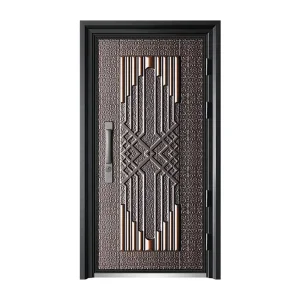
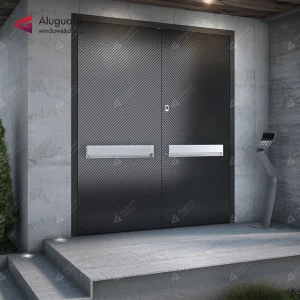
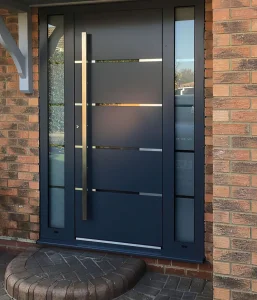
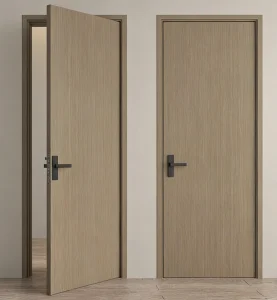
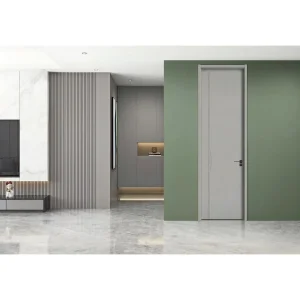
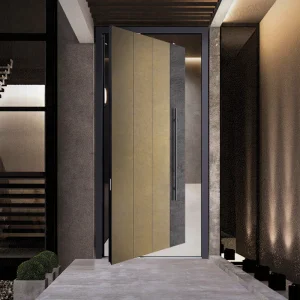
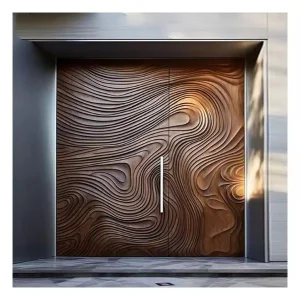
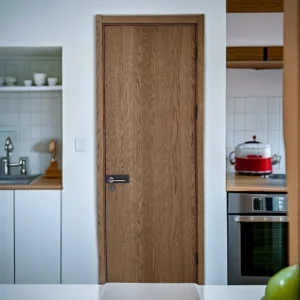
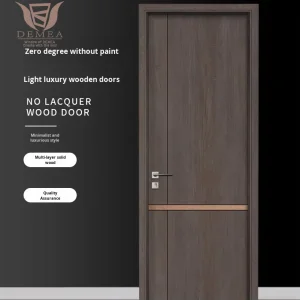
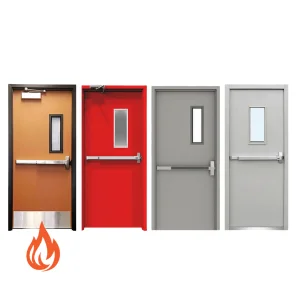
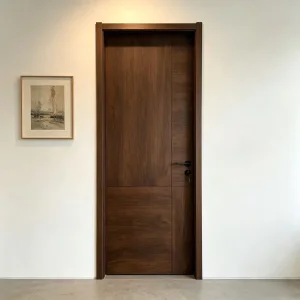
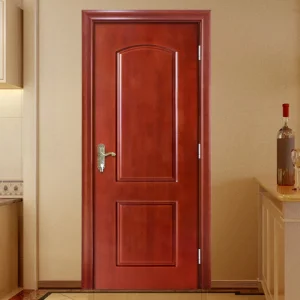
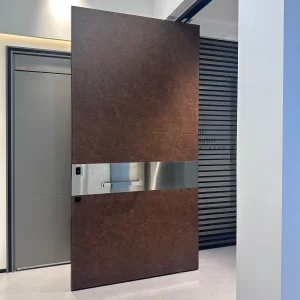
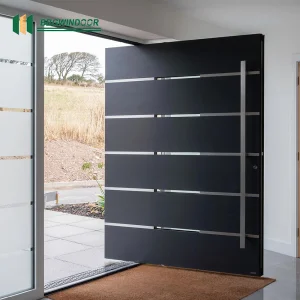
Discover our flagship selection of engineered exterior entry doors. Each system is precision-manufactured in China, incorporating state-of-the-art materials designed to withstand extreme wind loads, direct water exposure, thermal cycling, and mechanical stress.
Modern building envelopes require building materials that serve as dynamic shields against meteorological stress. The exterior entry door is the most critical vulnerability in any structural envelope. It must satisfy architectural requirements while serving as a heavy barrier against high wind forces, continuous rain, drastic temperature fluctuations, and attempts at unauthorized forced entry.
Zhejiang Larsom Door Co., Ltd. builds entry systems to address these challenges. By incorporating advanced metallic alloys (including zinc-alloy structures and structural grade T6 aluminum frames) with internal thermal barriers and high-density core fills, our products deliver structural strength and durability. This whitepaper explains the design elements, material sciences, manufacturing processes, and quality assurance programs that make Larsom a leading weather-resistant door manufacturer for commercial, industrial, and high-end residential applications.
In modern architecture, entry systems are evaluated based on their Design Pressure (DP) ratings and overall Thermal Transmittance (U-factor). High-performance doors prevent air infiltration and water penetration under high winds. They also reduce thermal bridging, helping projects meet LEED certifications and modern energy-efficiency regulations.
Building facades are exposed to varying regional microclimates. Larsom’s entry doors are engineered to address the specific performance needs of these diverse global environments:
Salt air accelerates galvanic corrosion on standard steel doors. Larsom utilizes high-grade zinc-alloy skins, thick-walled aluminum structural frames, and advanced fluorocarbon (PVDF) coatings. These materials are tested to survive long-term ASTM B117 salt spray exposure without cosmetic or mechanical failure.
Cold climates cause standard solid materials to contract, warp, and compromise perimeter seals. Our engineered cores combine multi-layered insulated chambers, expanded polyurethane insulation, and high-performance EPDM gaskets. This configuration limits thermal movement and prevents cold draft leaks.
High humidity levels cause wood rot, mold growth, and panel swelling. To solve this, Larsom has developed advanced Wood-Plastic Composite (WPC) formulations and PVC-wrapped components. These designs provide the warmth of natural wood finishes along with total resistance to water absorption.
Weather resistance requires careful material selection and design. We use a multi-layered material strategy to ensure structural durability and performance over decades of use.
| Door Core Material & Design Component | Primary Weatherproofing Function | Technical Target Metrics |
|---|---|---|
| Zinc-Alloy & Heavy Wrought Steel | Resists high wind-load bending and physical impacts. | Supports structural wind loads up to 4500 Pa. |
| T6 Structural Aluminum Profiles | Lightweight framing option with high oxidation resistance. | Tensile strength ≥ 250 MPa. |
| Engineered WPC & PVC Core Co-Extrusion | Prevents internal rot, mold growth, and water absorption. | 0.0% water absorption rate over 72-hour submersion test. |
| Injected Rigid Polyurethane Foam | Fills interior cavities for thermal and acoustic insulation. | K-Value ≤ 0.022 W/(m·K) for high energy efficiency. |
| Double/Triple EPDM Compression Seals | Blocks water ingress and air leaks along the perimeter. | Maintains airtight seal at pressures exceeding 300 Pa. |
Weather resistance and mechanical security are closely linked. Under heavy storms, wind-load pressure pulls the door pane away from its frame, which can compromise the weather seals. Larsom’s doors feature multi-point locking systems with hook bolts that engage deep into steel-reinforced frame pockets. This mechanism holds the door panel tight against the EPDM weatherstripping, maintaining an airtight and water-resistant barrier under extreme external pressures.
Based in Zhejiang, China, Larsom operates a modern manufacturing complex dedicated to high-performance door production. We merge material sourcing, automated CNC processing, and quality control systems to ensure every door is built to precise architectural tolerances.
Production Facility (Square Meters)
Highly Skilled Technicians & Engineers
Daily Sets Production Capacity
Global Export Destination Countries
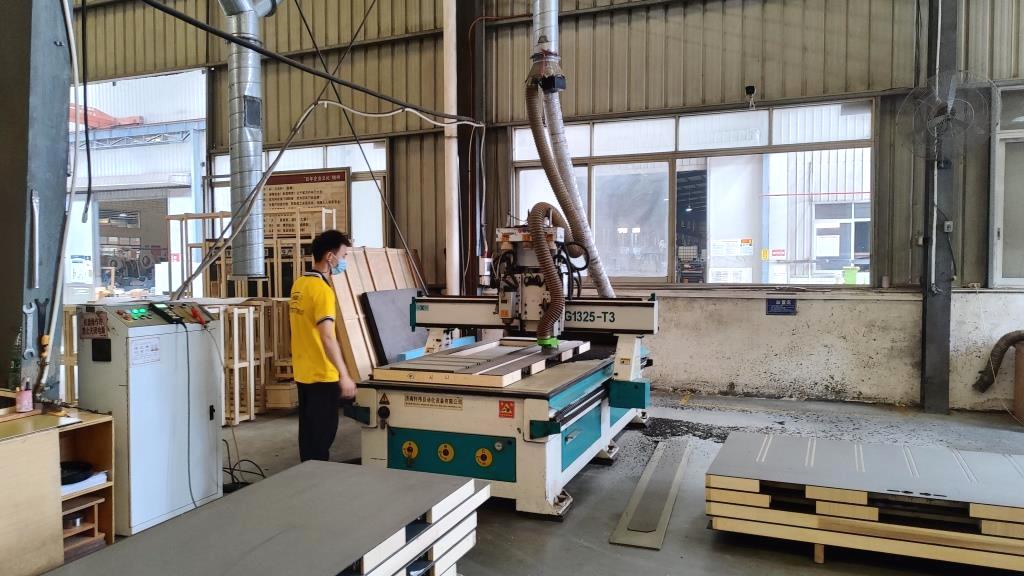
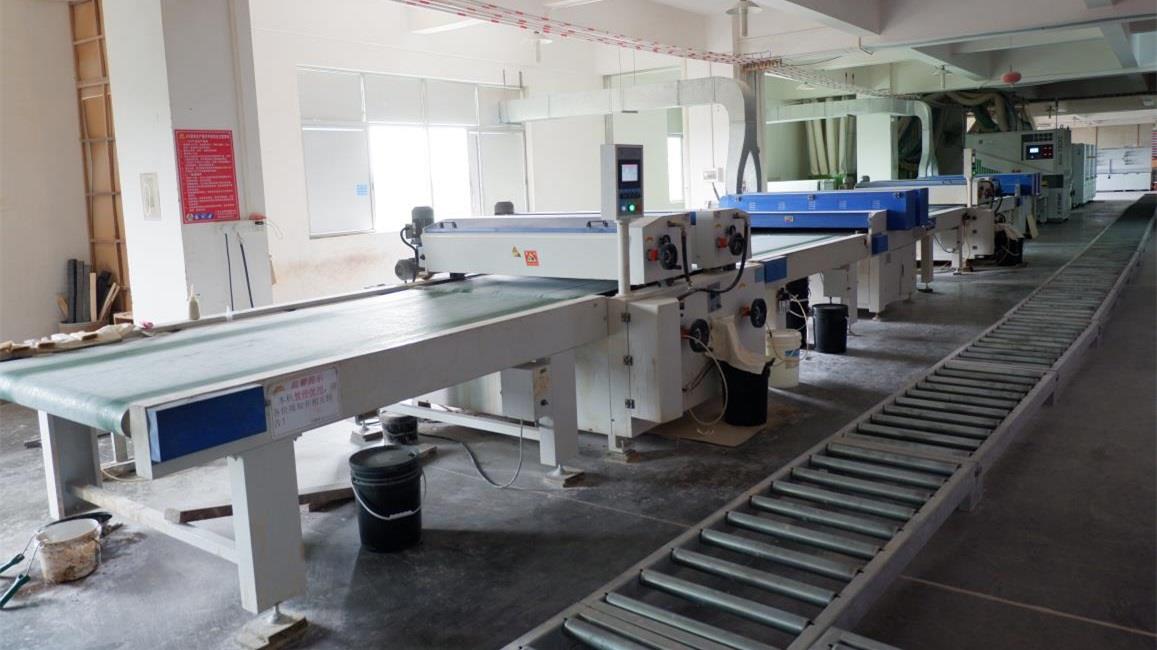
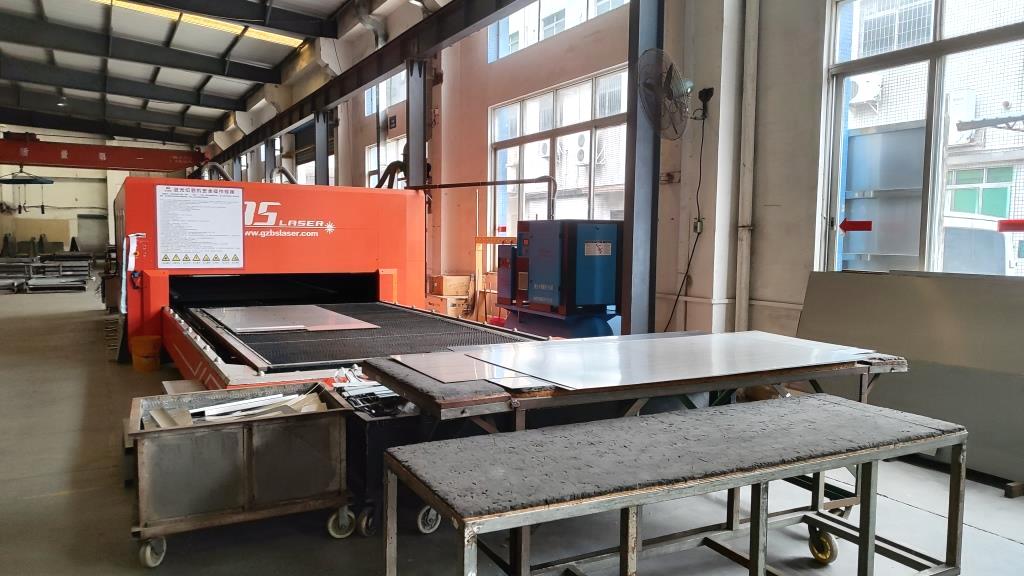
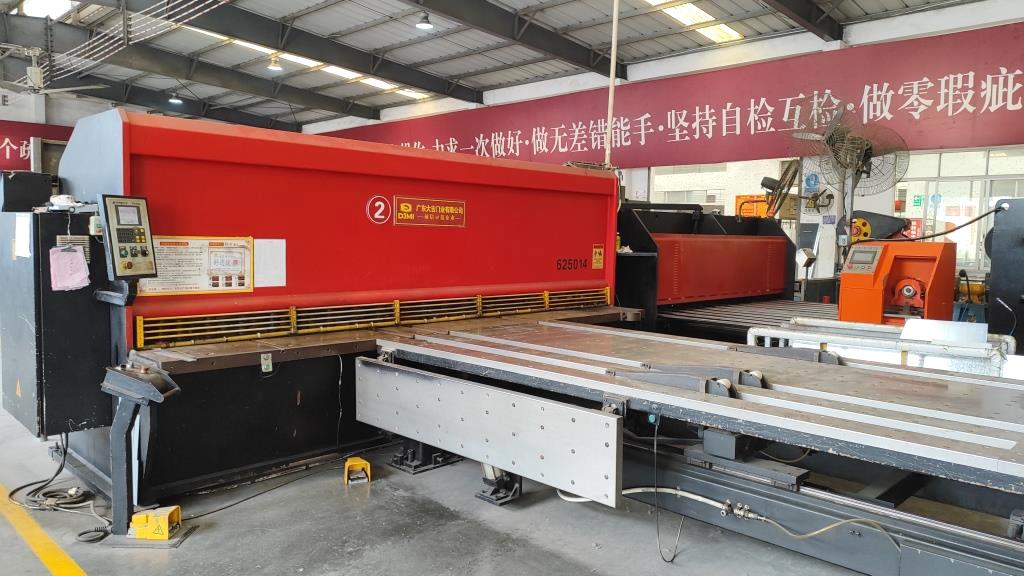
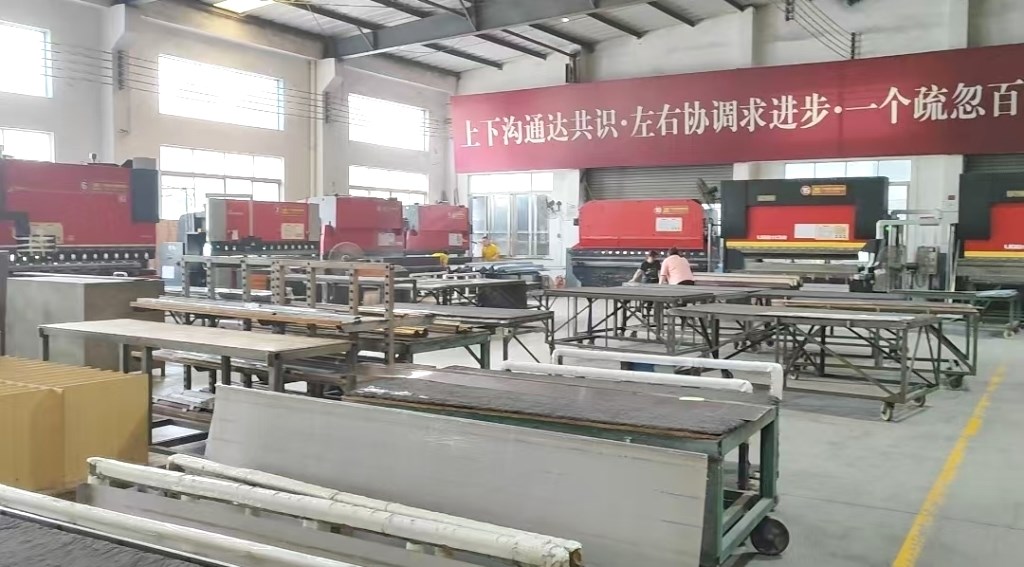
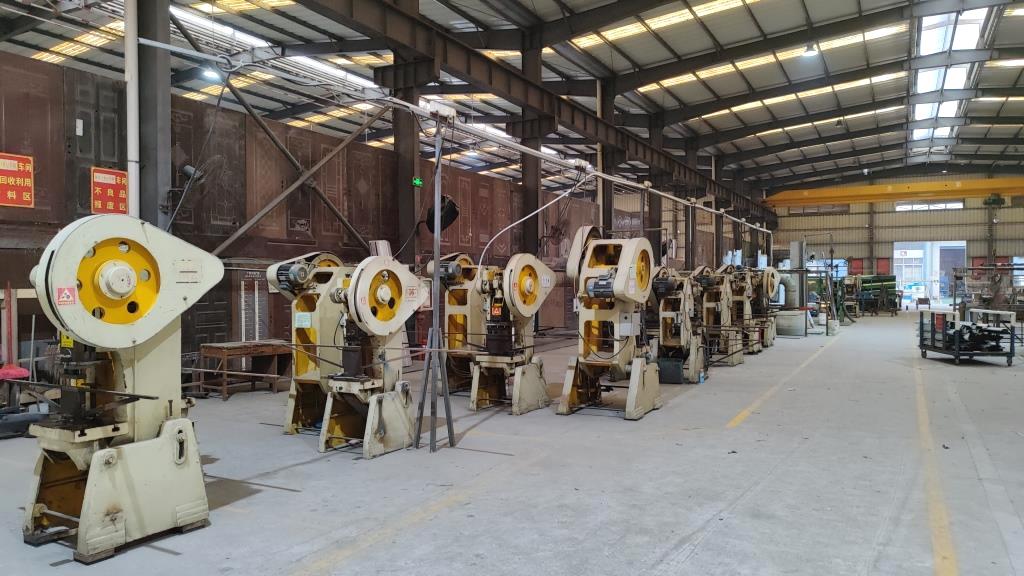
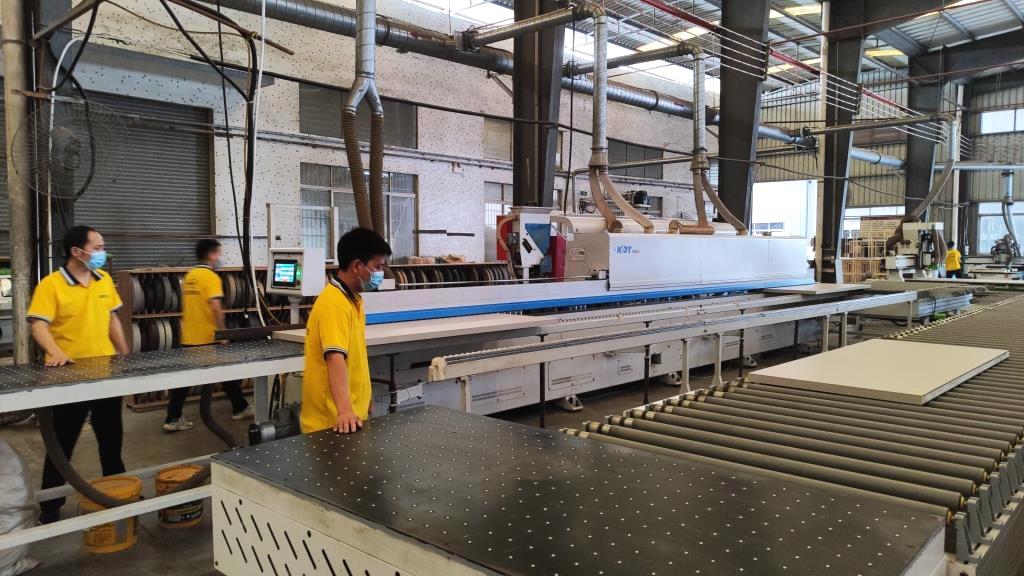
Larsom Door operates a state-of-the-art facility equipped with precision machinery to ensure consistent manufacturing quality. Our operations include CNC laser cutting systems, automatic welding networks, heavy hydraulic pressing systems, automated edge-sanding centers, and computerized powder-coating lines. These advanced production lines ensure high precision for every metal fold, structural weld, and surface finish, keeping dimensional deviations within 0.5 millimeters.
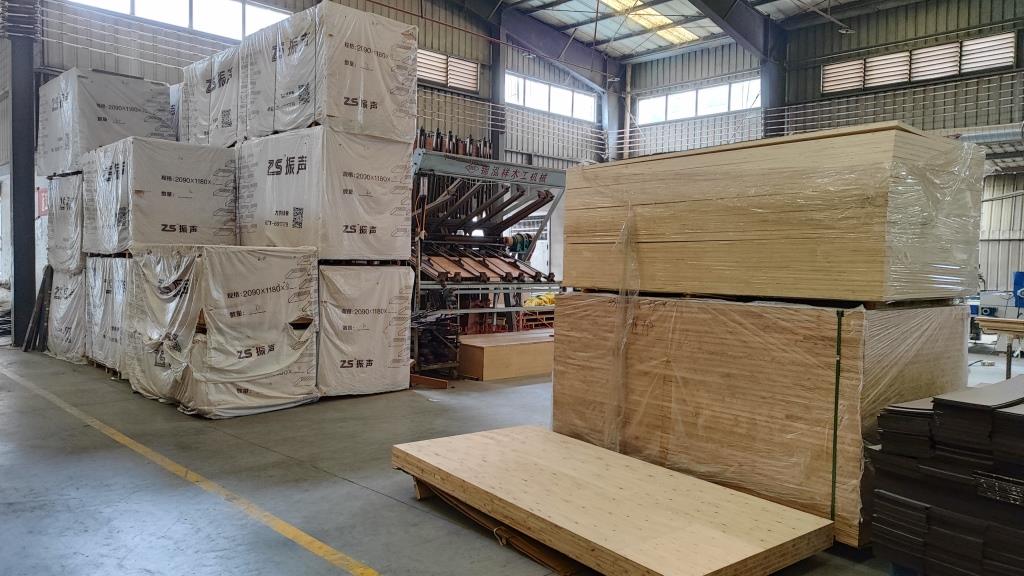
Figure 1: Zhejiang Larsom Door Co., Ltd. Industrial Facility & Technical Production Hub.
Every step of the Larsom manufacturing workflow is designed to ensure structural integrity and weather resistance. Below are the key manufacturing stages carried out inside our facility:
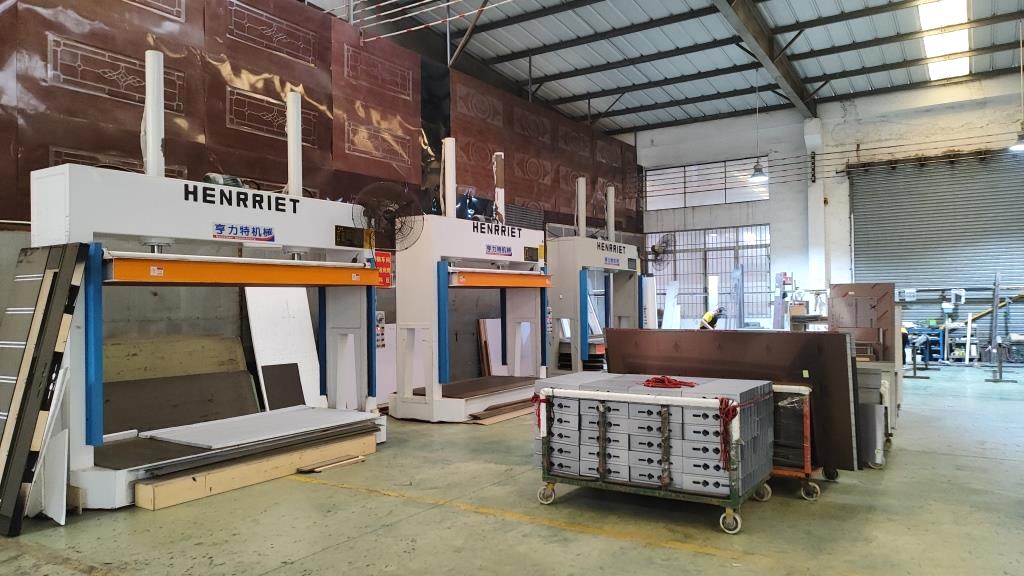
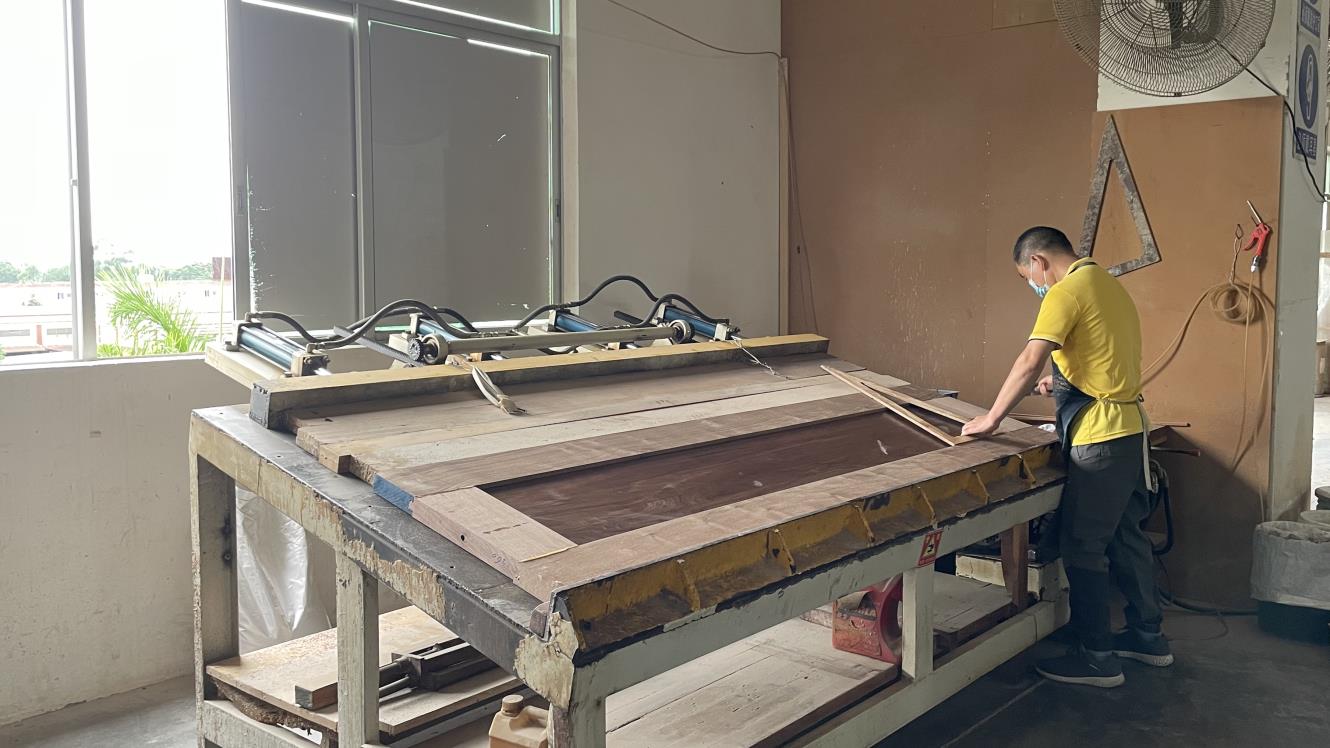
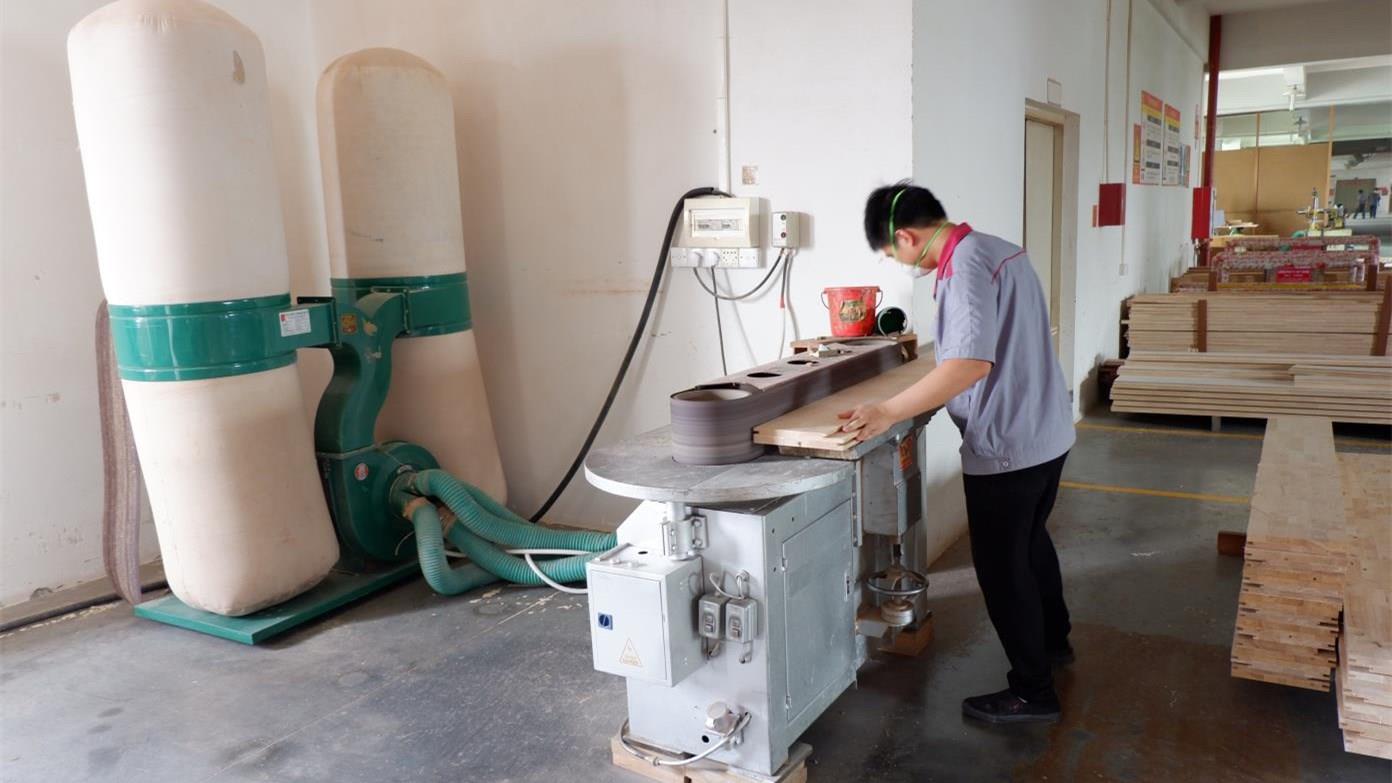
Building codes vary globally regarding mechanical safety and weatherability limits. Larsom designs and manufactures exterior entry systems that comply with major international certifications and structural test methods:
For properties located in coastal hurricane paths or high-wind zones, our reinforced aluminum and steel composite pivot doors are built to pass static design pressure tests. They are designed to withstand structural deformations and air/water infiltration during extreme wind conditions.
Larsom products exported to the European economic region meet EN 14351-1 criteria for windows and doorsets. This covers air permeability (Class 4), water tightness (Class 9A), and wind resistance (Class C5) ratings, ensuring durability in demanding European climates.
Our commercial fire-rated security doors are tested under UL 10C protocols. They provide up to 90 minutes of fire resistance while maintaining structural integrity to block fire, smoke, and draft movement.
Selecting the right door requires matching the design to the project’s specific architectural and environmental conditions:
Coastal estates are exposed to wind, salt air, and direct UV radiation. The ideal solution is a modern aluminum pivot entry door with insulated glass panes.
Urban multi-family residential structures require fire protection, high security, and sound control.
Building designs are changing rapidly to focus on sustainability and smart home technology. Larsom is continuously developing new design and materials technologies, focusing on three key areas:
We are researching new bio-resins and recycled wood fibers for our WPC exterior doors. Our goal is to reduce environmental impact while maintaining water and insect resistance.
Our upcoming thermal break designs will feature wider, fiberglass-reinforced polyamide insulating bars. This structural change will help reduce thermal transmission, keeping doors stable in extreme cold weather.
Future Larsom doors will feature integrated smart locking systems powered by built-in frame conduits. These systems will support biometric access, facial recognition, and remote security monitoring, without compromising the door’s structural core.
Here are answers to common technical questions asked by architects, building contractors, and global buyers when sourcing weather-resistant entry doors:
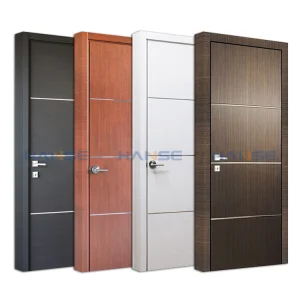
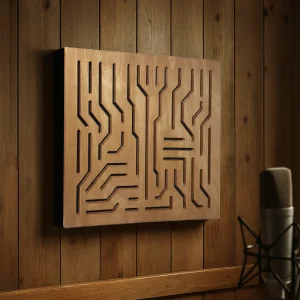
Browse our collection of specialized architectural doors, which includes luxury villa entry systems, fire-rated steel doors, modern interior wood doors, and acoustic panel wall solutions.
 Larsom Door