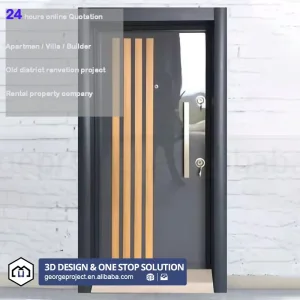
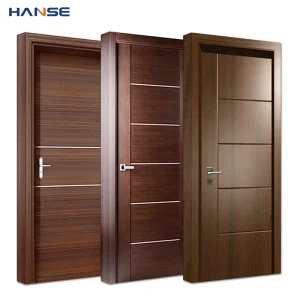
Engineered performance, durability, and moisture barrier technology
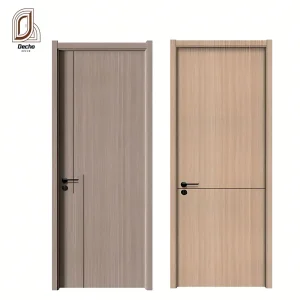
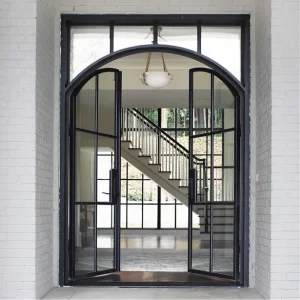
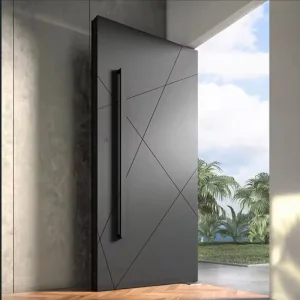
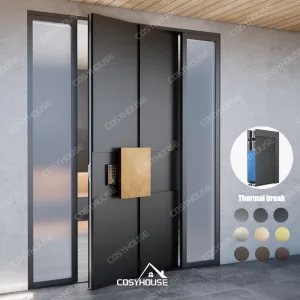
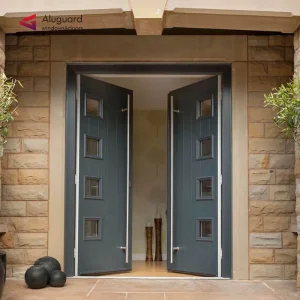
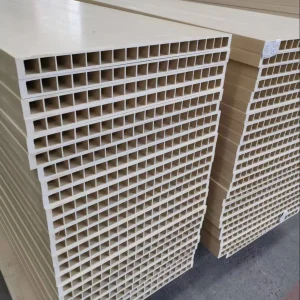
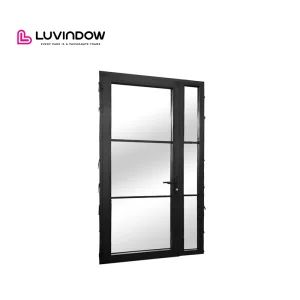
The transition from traditional timber to advanced polymer-composite technologies in real estate development.
In modern architectural design, internal bathroom doors represent one of the highest-risk components of any multi-unit building structure. Traditional timber hollow-core doors quickly fail when subjected to localized humidity fluctuations, splash water, and high-frequency cyclical cleaning. The inevitable results are structural warping, veneer delamination, mold growth, and locking mechanism misalignment. This structural degradation leads to premature replacements, elevated facility maintenance costs, and compromised user satisfaction.
As a response to these persistent challenges, the global building construction sector has shifted toward advanced composite engineering. Materials such as Wood-Plastic Composites (WPC) and high-performance polymer-encapsulated PVC variants have become the standard for major developments. Engineered to exhibit near-zero moisture absorption, these composite structures merge the mechanical stiffness of wood fibers with the inert chemical resistance of thermoplastics. This structural integrity guarantees decades of service life even under continuous wet exposure.
Internationally, real estate developers and institutional builders are implementing stricter specifications. Regulatory frameworks in regions like Europe, the Middle East, and North America now demand environmental certificates, low VOC emissions, fire-rated properties, and structural stability. This makes composite bathroom doors the dominant specification for green building designs under LEED or BREEAM programs.
A technical comparison of dimensional stability, moisture resistance, and lifecycle economics
Unlike natural timber, which features open capillary networks that pull in moisture, composite compounds feature a fully sealed PVC-polymer matrix. This structure prevents water ingress, preventing swelling, rot, and structural decay.
Our composite doors comply with E0-grade health and safety ratings. Free from hazardous adhesive bonding compounds, they emit no toxic volatile organic compounds (VOCs), ensuring indoor air safety in tight living spaces.
By blending natural cellulose fibers with high-density polymers, composite profiles offer high tensile strength and impact resistance, maintaining true alignment in both warm and cold environments.
| Material Metrics | WPC / Polymer Composites | Solid Softwood / Timber | MDF / HDF Panels | Aluminum Profile Doors |
|---|---|---|---|---|
| Water Absorption Rate (24h immersion) | < 0.5% (Non-swelling) | 12% - 25% (High warping potential) | 8% - 18% (Prone to structural delamination) | 0% (Corrosion susceptible at cut edges) |
| Formaldehyde Emission Level | E0 / Zero Emission (Non-toxic) | Natural wood trace, variable finishes | E1 to E2 (High adhesive off-gassing) | Zero emission |
| Susceptibility to Termites & Fungi | 100% Resistant (Inert structure) | Highly Vulnerable without chemical treatment | Moderate to High vulnerability | 100% Resistant |
| Acoustic Isolation Rating (Rw) | 32dB - 38dB (Engineered core) | 28dB - 34dB (Depends on density) | 25dB - 32dB (Hollow-core standard) | 22dB - 30dB (Requires internal damping) |
| Average Lifecycle Expectancy | 25+ Years (Maintenance-free) | 5 - 10 Years (Requires periodic varnishing) | 3 - 7 Years (Rapid moisture decay) | 15+ Years (Prone to scratch/dent damage) |
Why China's integrated industrial hubs offer unmatched lead times and competitive unit economics.
For international procurement departments, building developers, and bulk importers, sourcing from China's industrial zones offers critical logistical and manufacturing benefits. At Zhejiang Larsom Door Co., Ltd., we locate our manufacturing operations in Zhejiang's advanced industrial core. This area provides access to raw materials, logistics networks, and skilled production technicians.
This localized supply chain helps us reduce costs and control material quality. In addition, our automated systems reduce production lead times. With an output capacity exceeding 200 door sets per day, we reliably support large-scale high-rise developments and hotel construction schedules. Our processes ensure consistent quality, ensuring every door meets strict structural standards.
Our OEM and ODM service capabilities allow us to meet specific architectural requirements, including sound-dampening specifications, unique core structures, and tailored hardware cutouts. In contrast to smaller regional manufacturers, we offer scalable production, consistent quality, and efficient transit logistics, making us a trusted supply partner.
Professional engineering and global manufacturing profile
Zhejiang Larsom Door Co., Ltd. is a professional manufacturer specializing in the research, development, production, and global sales of high-quality security doors, armored doors, steel-wood doors, and customized entrance door solutions.
Since its establishment, Larsom Door has been committed to providing customers around the world with safe, durable, and stylish door products. Today, the company operates a modern manufacturing facility covering more than 16,000 square meters, supported by an experienced team of over 160 skilled employees. With advanced production management and efficient manufacturing systems, our daily production capacity exceeds 200 sets of premium doors, enabling us to meet both large-scale projects and customized orders with reliable delivery.
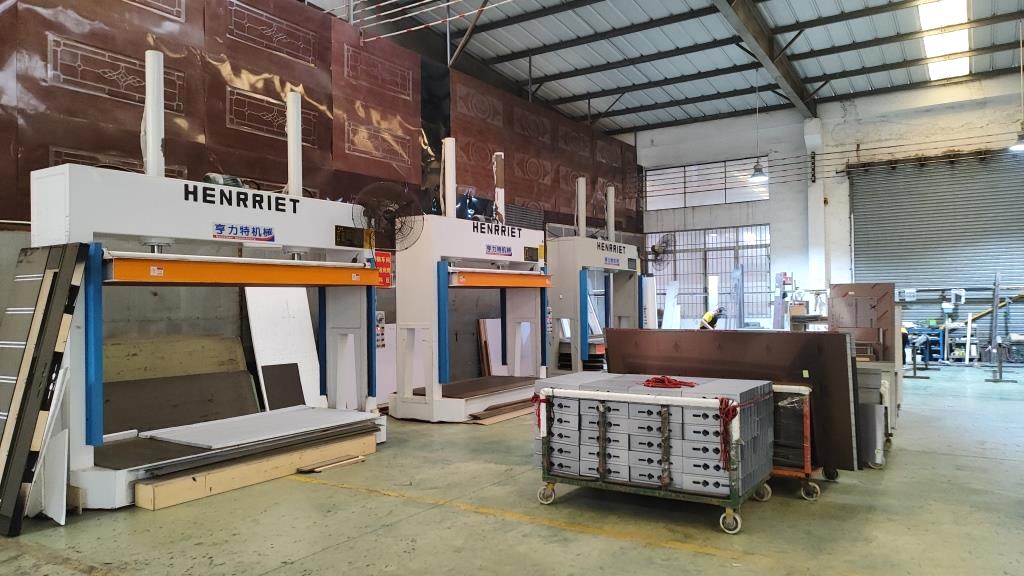
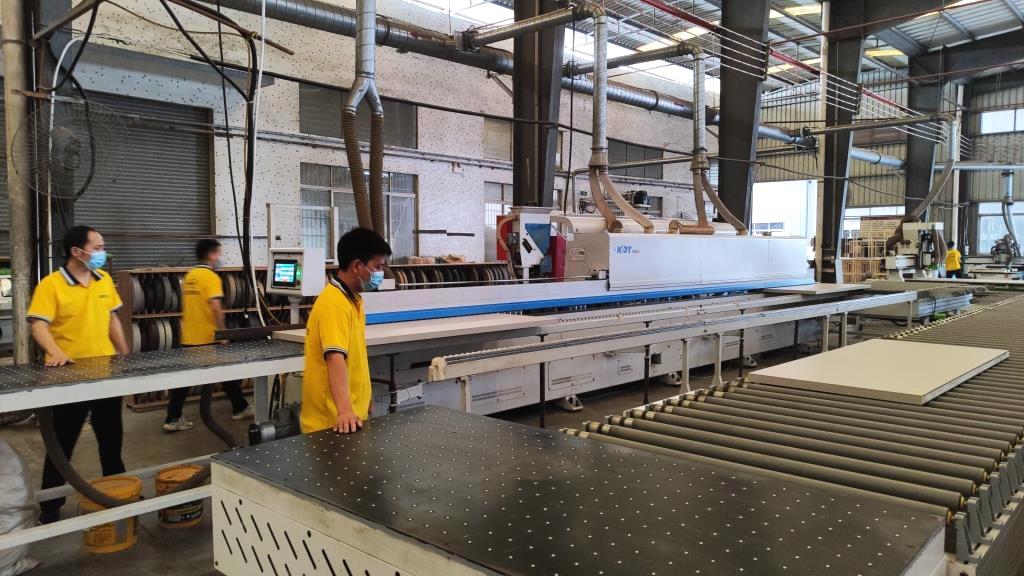
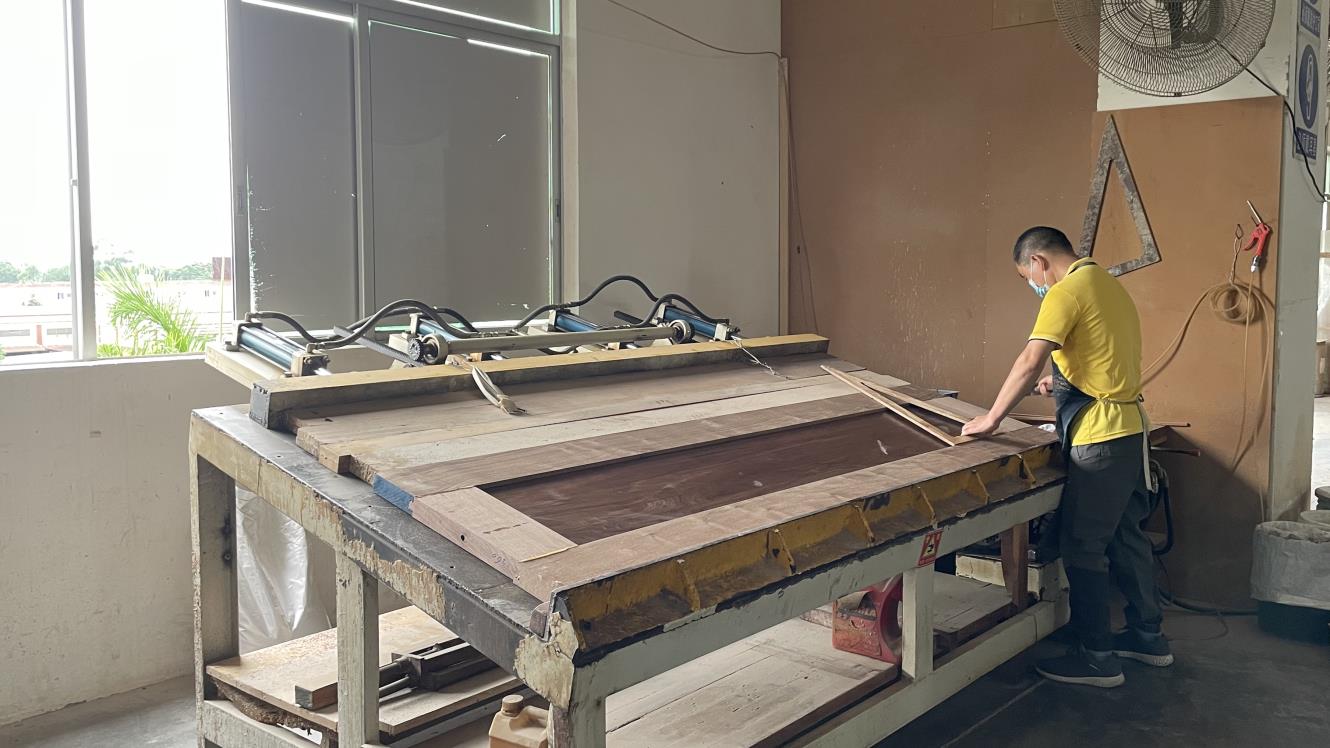
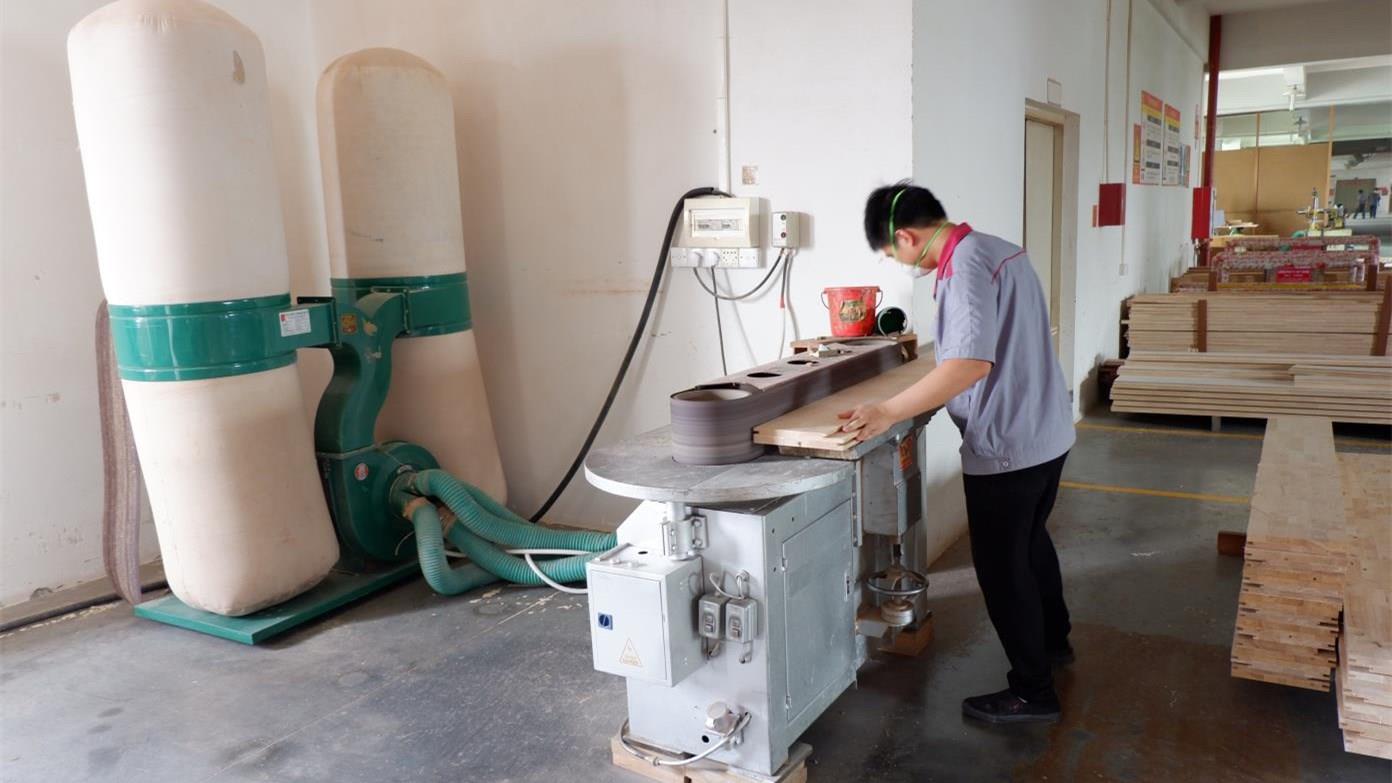
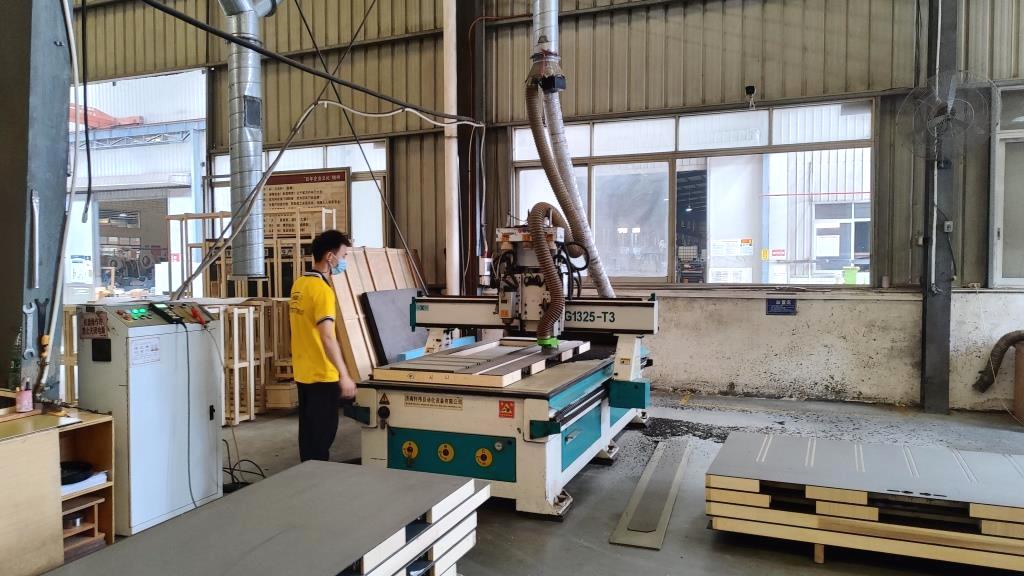
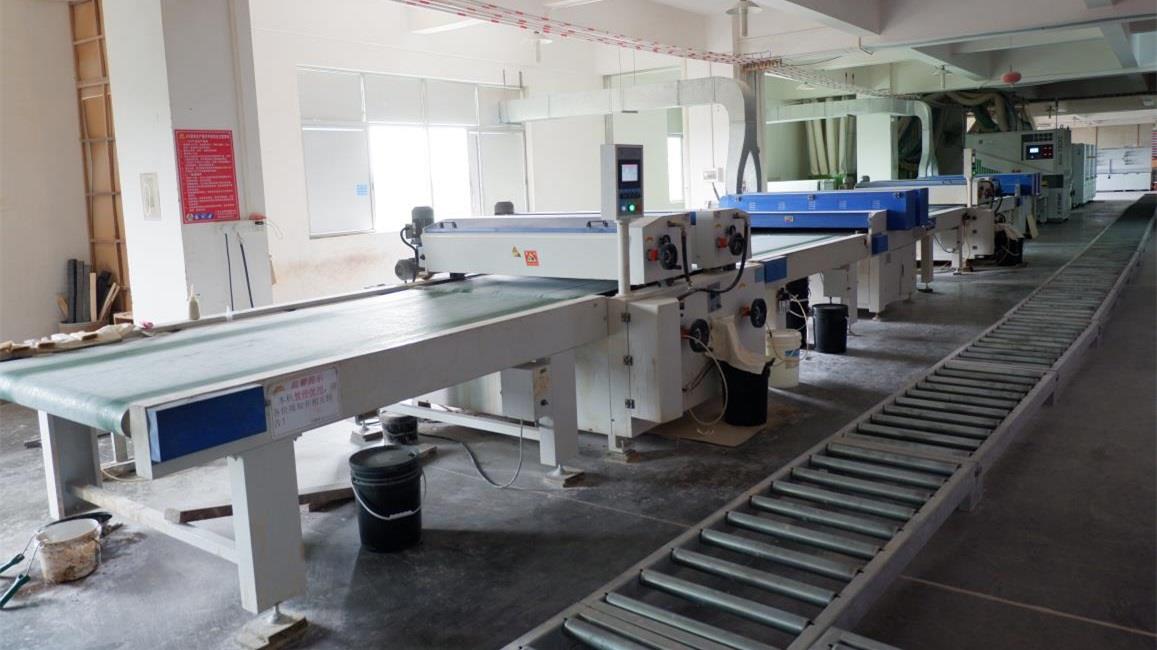
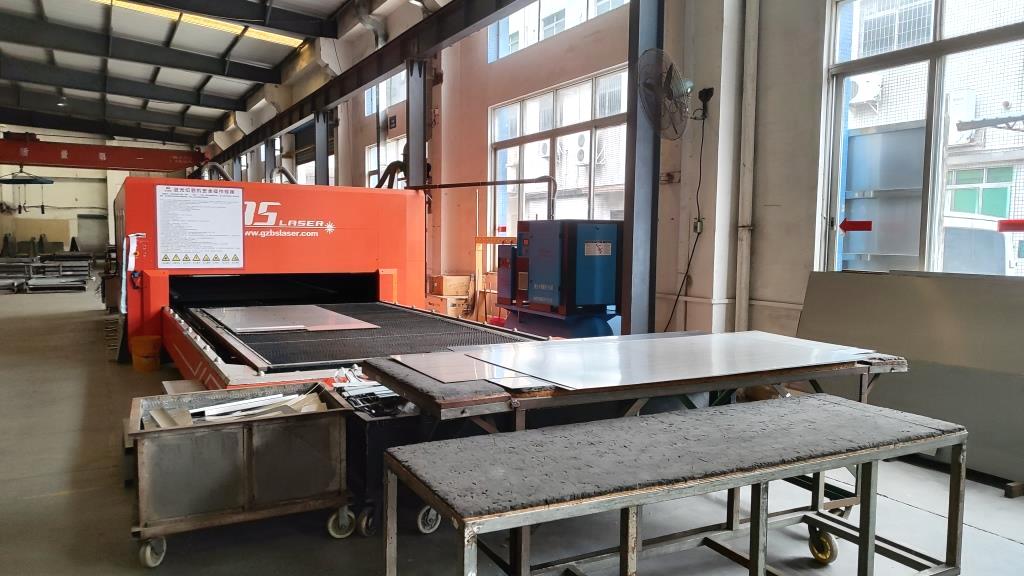
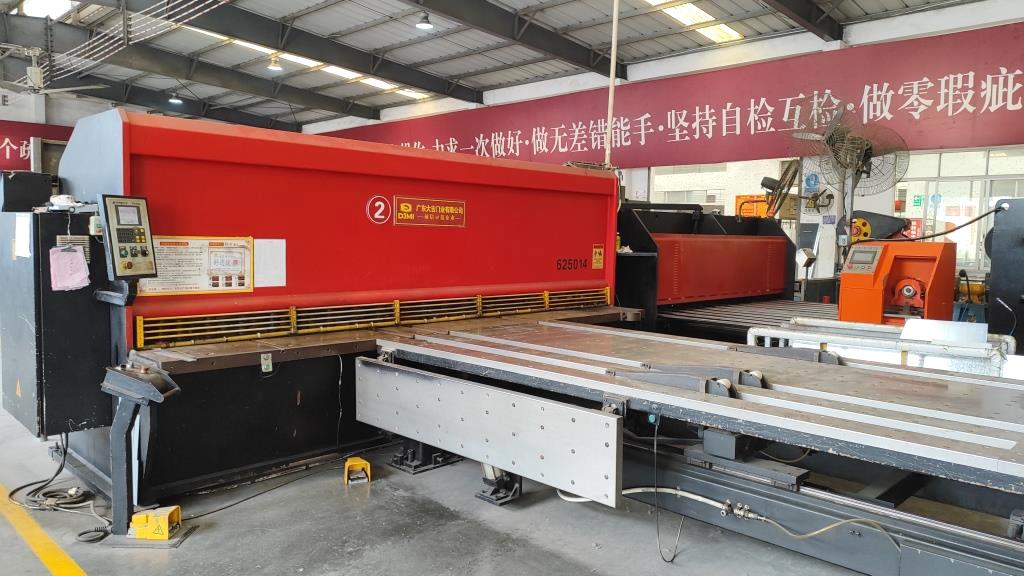
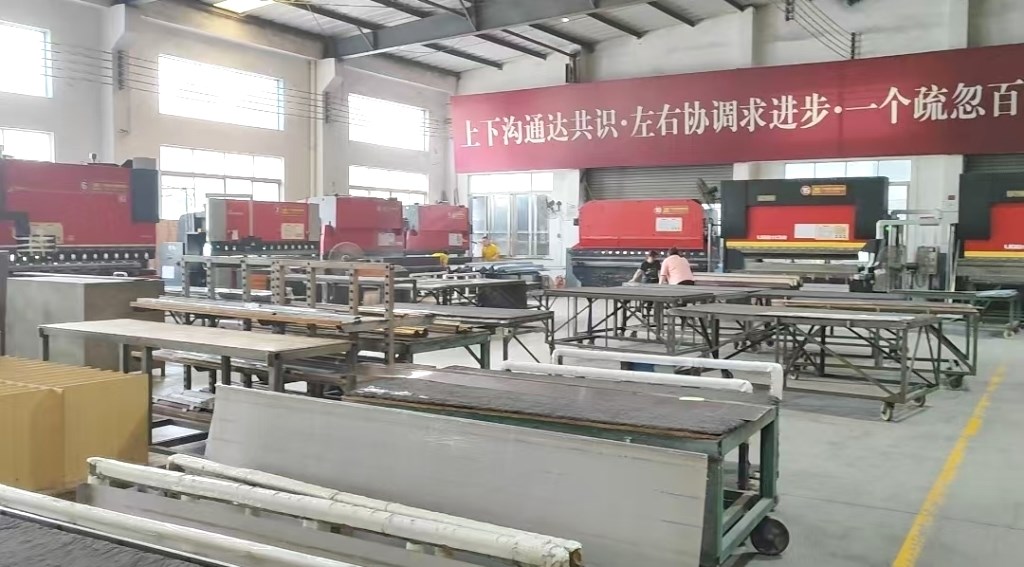
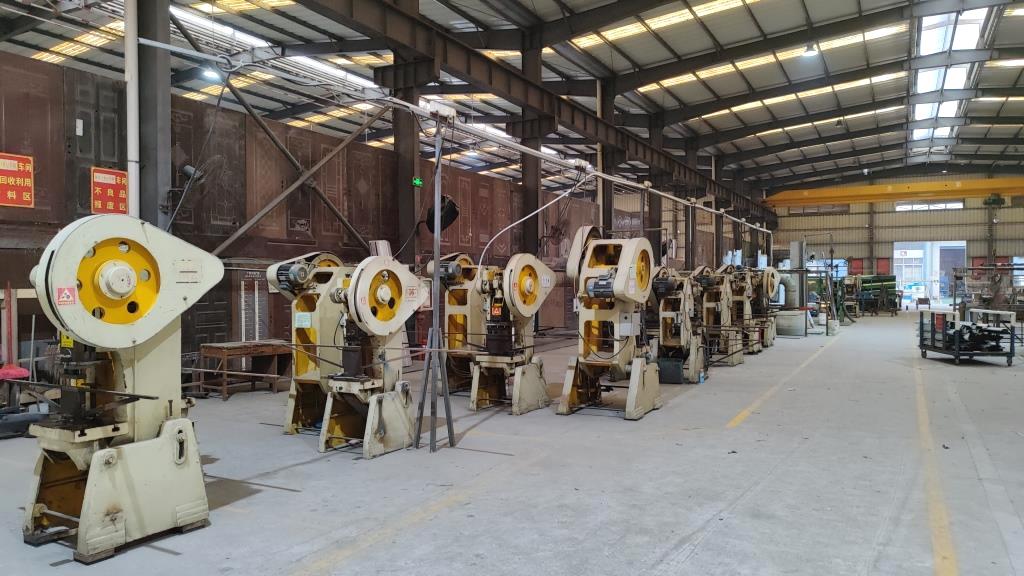
To continuously improve product quality and manufacturing efficiency, Larsom Door has invested heavily in advanced automated production equipment, including CNC laser cutting machines, CNC bending machines, automatic welding systems, high-speed turret punching machines, automatic sanding machines, and modern powder coating production lines. These advanced facilities, combined with strict quality control procedures, ensure that every door meets international quality standards.
Quality is the foundation of our business. Larsom Door strictly implements comprehensive quality management throughout every production process, from raw material selection to final inspection. Our products comply with international quality standards and have earned an excellent reputation among customers worldwide.
Today, Larsom Door exports its products to more than 130 countries and regions, including Europe, the Middle East, Africa, South America, Southeast Asia, and Central Asia. Our major customers include building contractors, real estate developers, wholesalers, distributors, and importers. With rich experience in OEM and ODM manufacturing, we provide flexible solutions for customers seeking customized branding and product development.
Guided by the philosophy of "Quality First, Customer Foremost, Innovation for the Future," Zhejiang Larsom Door Co., Ltd. continues to improve its manufacturing capabilities, expand its international market presence, and build long-term partnerships with customers around the world.
We sincerely welcome friends and business partners from every corner of the globe to visit our factory and establish mutually beneficial cooperation with us.
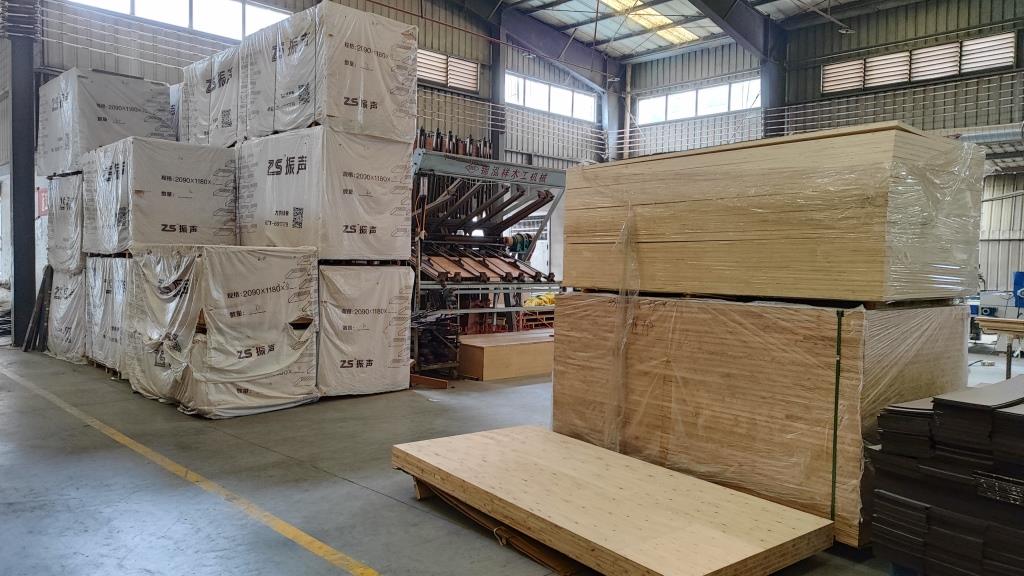
An inside look at our advanced manufacturing steps and precision equipment
Tailored configurations optimized for international architectural codes and climates
Hotel bathroom doors must balance water resistance with sound insulation. Larsom's composite assemblies feature multi-layer acoustic insulation chambers, achieving up to 38dB sound reduction. This keeps guestrooms quiet while fully resisting moisture and humidity.
Medical environments require doors that withstand frequent disinfection. Larsom WPC doors use a non-porous polymer shell that resists sanitizing chemicals, solvents, and water, helping maintain a sterile and hygienic space.
In high-humidity coastal zones, salty sea air often corrodes metal and warps wood. Our composite structures are completely inert to salt-air corrosion, providing stable performance for beachfront residential properties.
The convergence of low-carbon manufacturing, circular economy goals, and smart structural design
The construction sector is prioritizing sustainability, leading to shifts in building component manufacturing. Architects and developers now look beyond performance to assess the embodied carbon and lifecycle impact of materials.
Modern composite door manufacturing fits well into circular economy practices. By combining post-industrial wood processing byproducts with recycled polymers, raw resources are kept in use longer. The resulting materials are durable and fully recyclable at the end of their service life, reducing landfill waste.
In addition, advanced extrusion techniques allow manufacturers to produce lightweight hollow-core structures that maintain high bending strength. These designs reduce shipping weights and fuel use, helping lower the carbon footprint of international logistics.
Answers to common technical, logistics, and material questions from project managers
From modern interior room doors to high-performance security entry systems
 Larsom Door