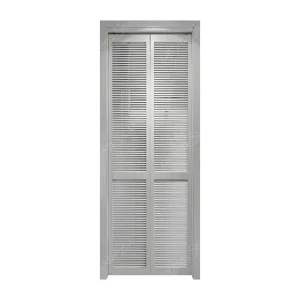
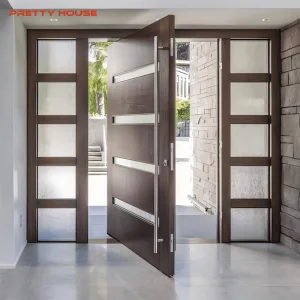
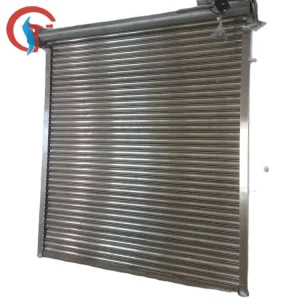
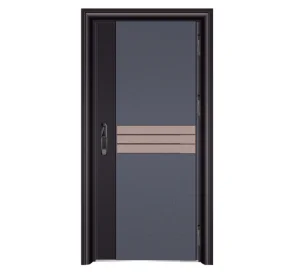
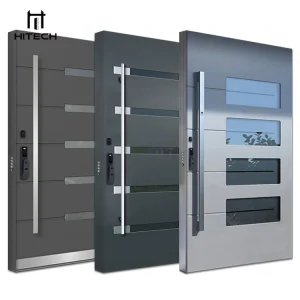
Explore our heavily reinforced engineered doors customized to withstand rigorous weather elements while maintaining premium structural integrity.
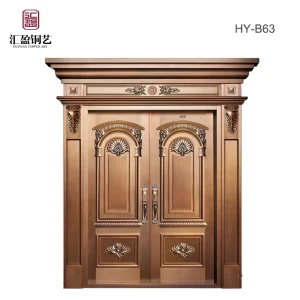
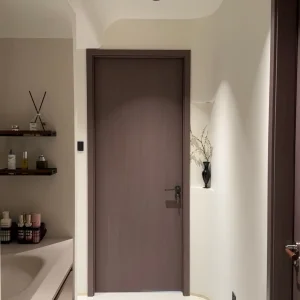
An engineering analysis of modern meteorological challenges, physical security standards, and material performance parameters across diverse B2B markets.
The global security door market has transitioned from simple mechanical barriers to complex, multi-layered environmental defense systems. Architectural planners, construction procurement officers, and developers no longer evaluate doors solely based on locking mechanisms; they demand holistic solutions engineered to withstand extreme climates, sea-spray corrosion, and rapid thermal cycling while maintaining bulletproof structural integrity. In coastal zones, arid deserts, and sub-zero environments, standard entrances fail due to seal degradation, hardware corrosion, and thermal contraction. Custom OEM Weatherproof Security Doors bridge this gap through advanced composite metallurgy, thermal barrier isolation, and high-performance weatherstripping.
B2B procurement programs require rigorous certification alignment. The combination of weatherproofing and forced entry resistance demands structural stability. Modern armored doors conform to European Standard EN 1627 RC3 to RC4 ratings, verifying resistance to heavy manual tools, crowbars, and power drills. Additionally, for high-risk zones, integrating ballistic steel plates certified under UL 752 or EN 1522 standards ensures robust safety without sacrificing the door's acoustic performance or weather seal rating.
Zhejiang Larsom Door Co., Ltd. is a professional manufacturer specializing in the research, development, production, and global sales of high-quality security doors, armored doors, steel-wood doors, and customized entrance door solutions.
Since its establishment, Larsom Door has been committed to providing customers around the world with safe, durable, and stylish door products. Today, the company operates a modern manufacturing facility covering more than 16,000 square meters, supported by an experienced team of over 160 skilled employees. With advanced production management and efficient manufacturing systems, our daily production capacity exceeds 200 sets of premium doors, enabling us to meet both large-scale projects and customized orders with reliable delivery.
To continuously improve product quality and manufacturing efficiency, Larsom Door has invested heavily in advanced automated production equipment, including CNC laser cutting machines, CNC bending machines, automatic welding systems, high-speed turret punching machines, automatic sanding machines, and modern powder coating production lines. These advanced facilities, combined with strict quality control procedures, ensure that every door meets international quality standards.
Quality is the foundation of our business. Larsom Door strictly implements comprehensive quality management throughout every production process, from raw material selection to final inspection. Our products comply with international quality standards and have earned an excellent reputation among customers worldwide.
Today, Larsom Door exports its products to more than 130 countries and regions, including Europe, the Middle East, Africa, South America, Southeast Asia, and Central Asia. Our major customers include building contractors, real estate developers, wholesalers, distributors, and importers. With rich experience in OEM and ODM manufacturing, we provide flexible solutions for customers seeking customized branding and product development.
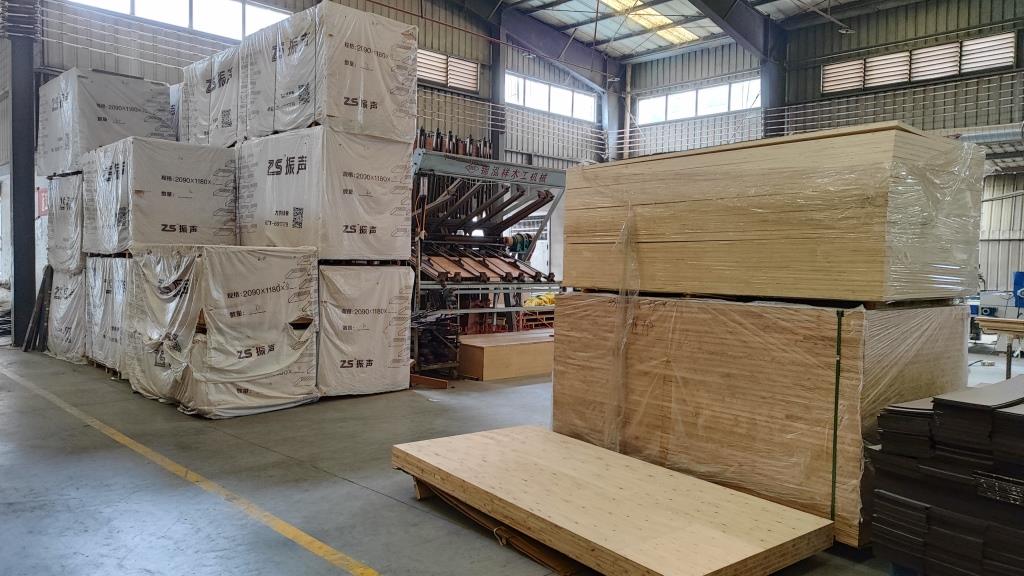
Take an inside look at our structural steel forming, precision milling, engraving, and quality testing setups inside our factory floor.
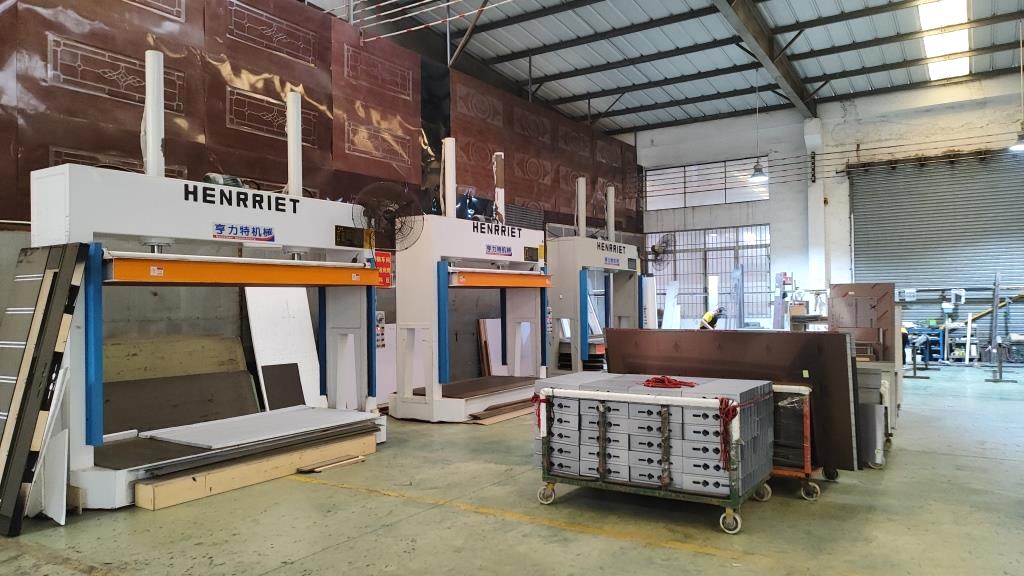
High-pressure hydraulic pressing to form structural steel skin sheets with zero dimensional distortion.
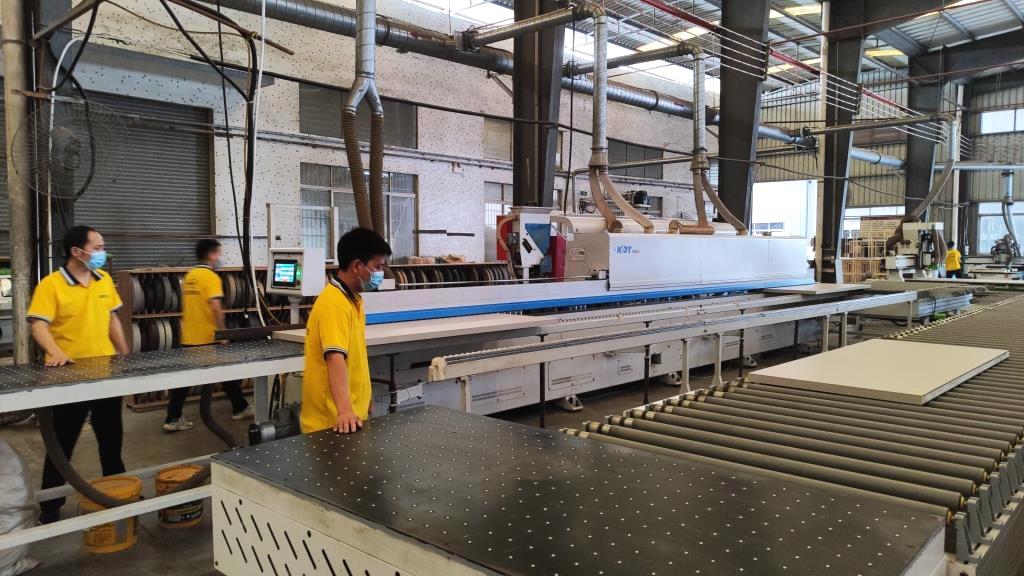
Bonding insulation materials, sound-absorbing boards, and reinforcement ribs securely inside the door core.
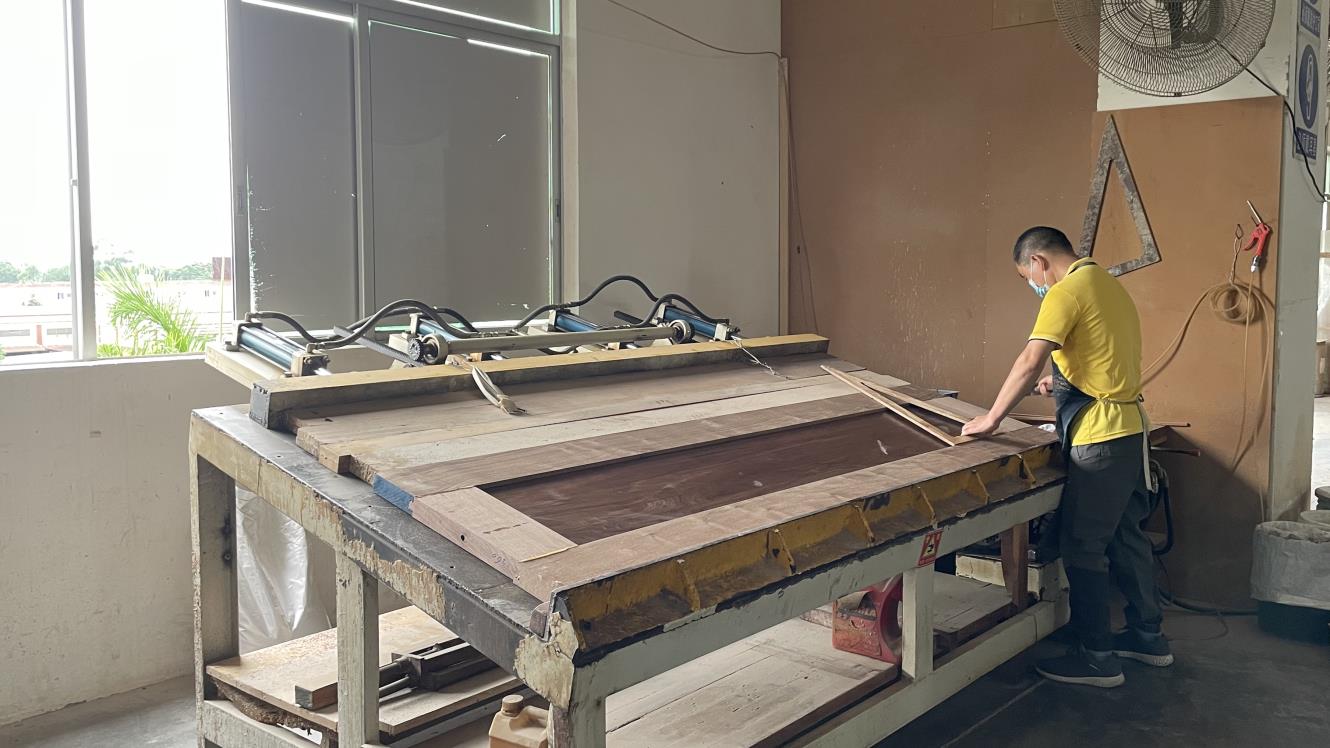
Fine joining of inner and outer plates to form a seamless weather-tight envelope.
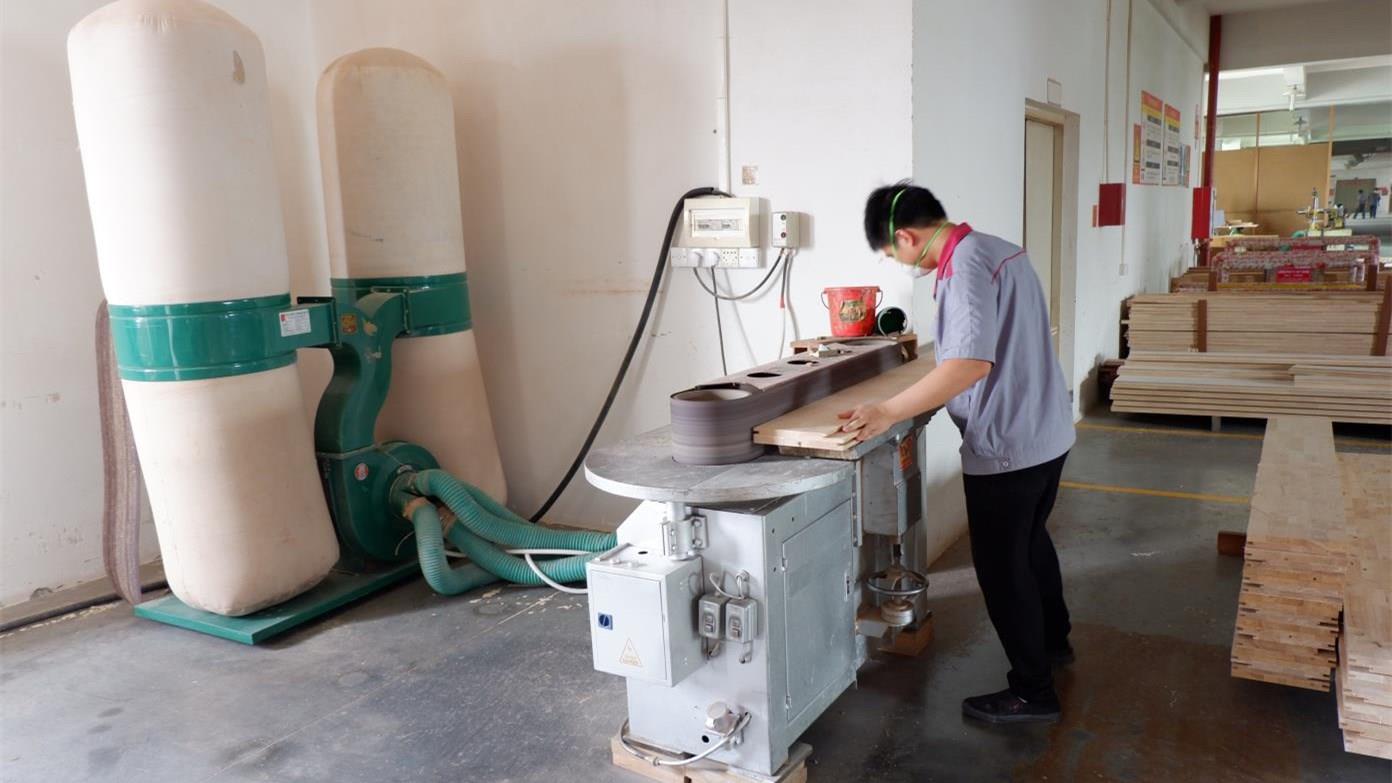
Automated edge sanding to remove micro-burrs and prepare surface for optimal paint adhesion.
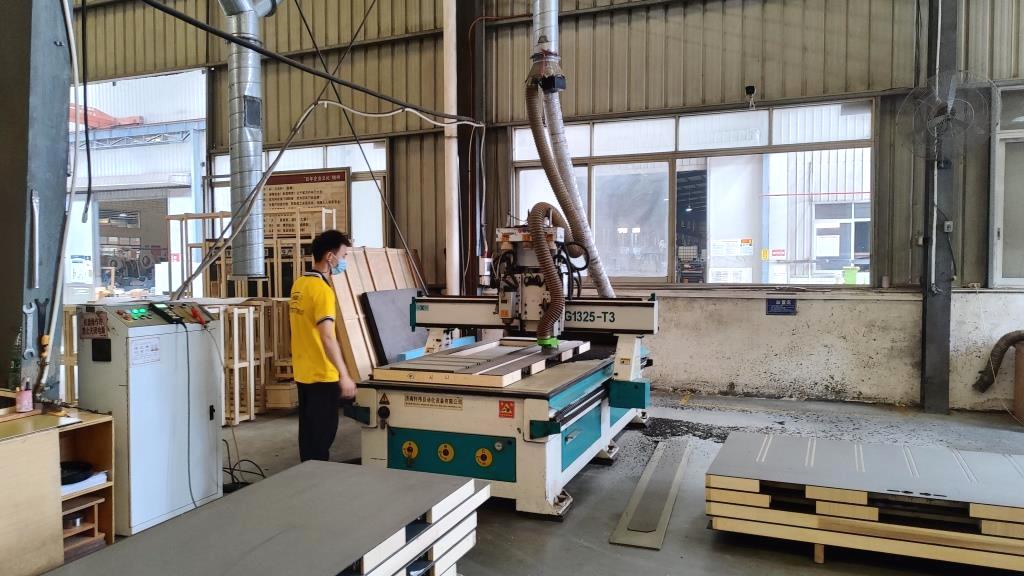
CNC milling of decorative patterns and hardware pockets directly on real wood veneers or panels.
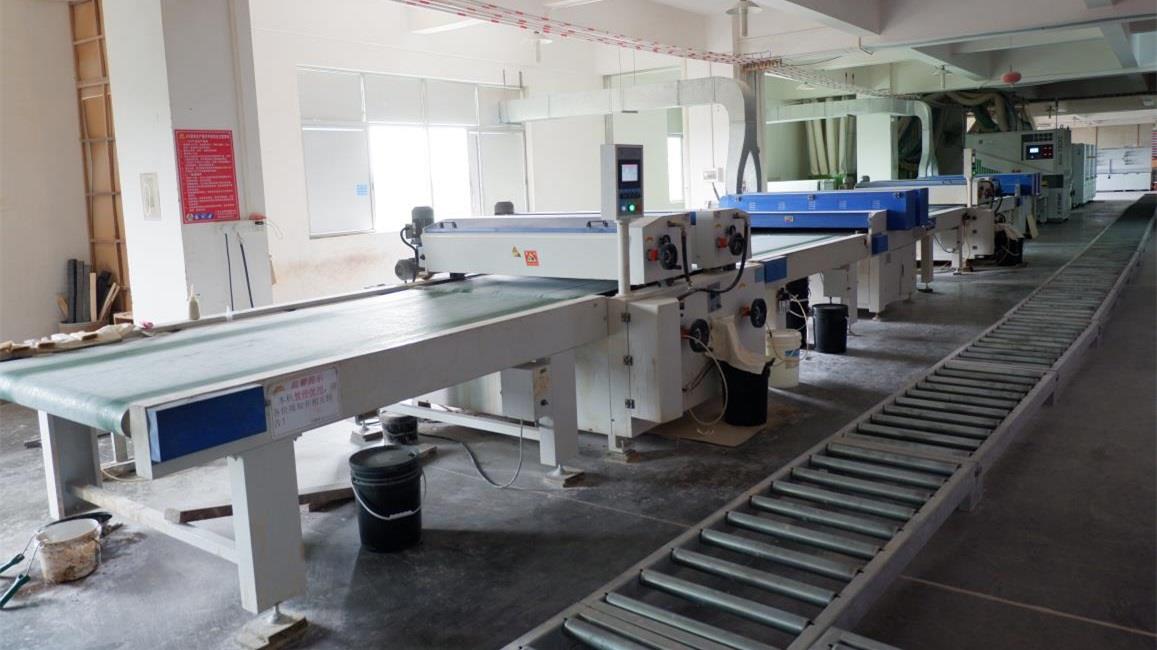
Ultra-violet curing line for wood finishes to create robust defense layers against rain and UV rays.
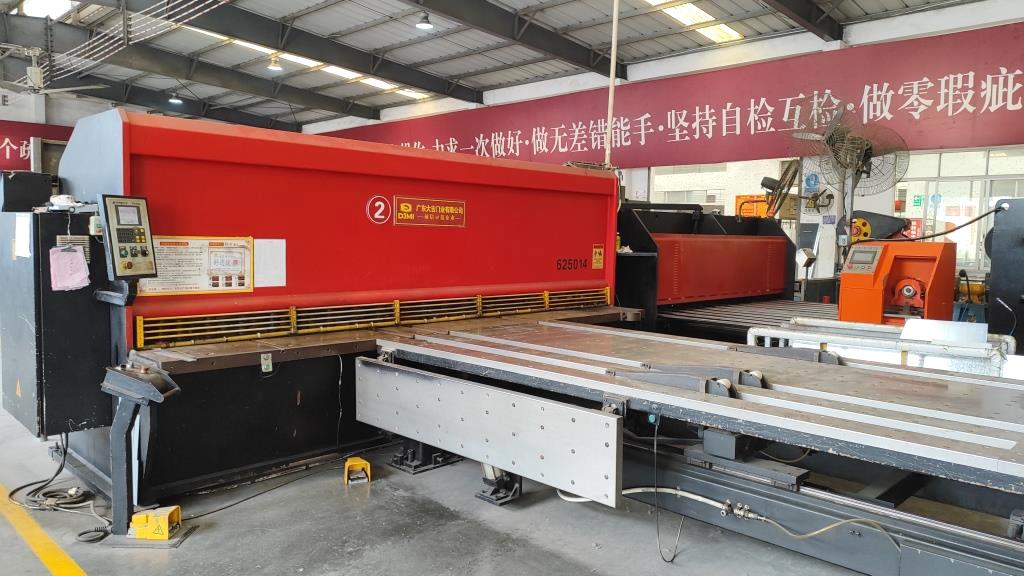
Heavy-duty shearing systems cutting galvanized steel or aluminum alloy to exact architectural shapes.
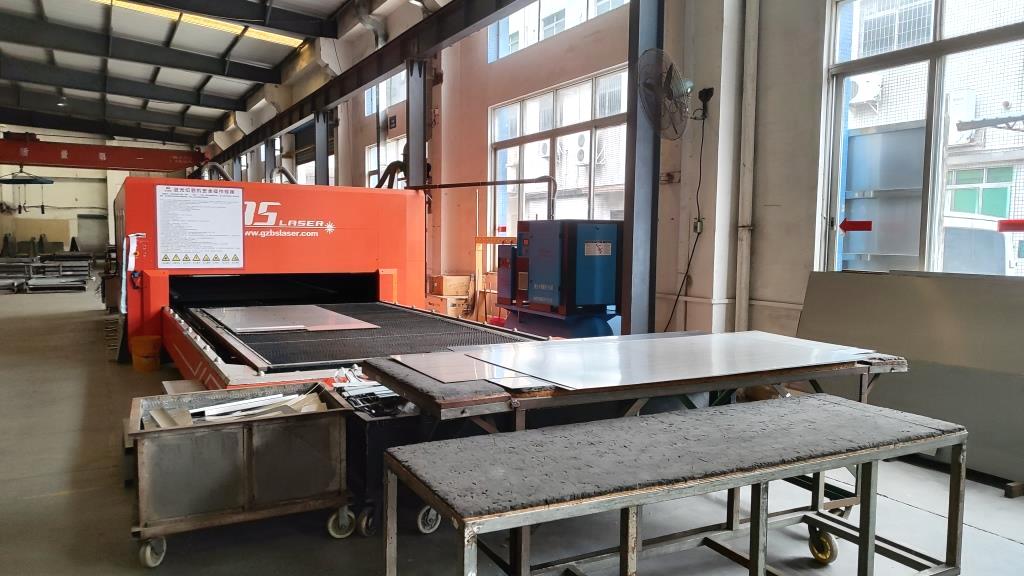
High-speed CNC fiber lasers cutting lock openings, peep-holes, and window apertures with sub-millimeter precision.
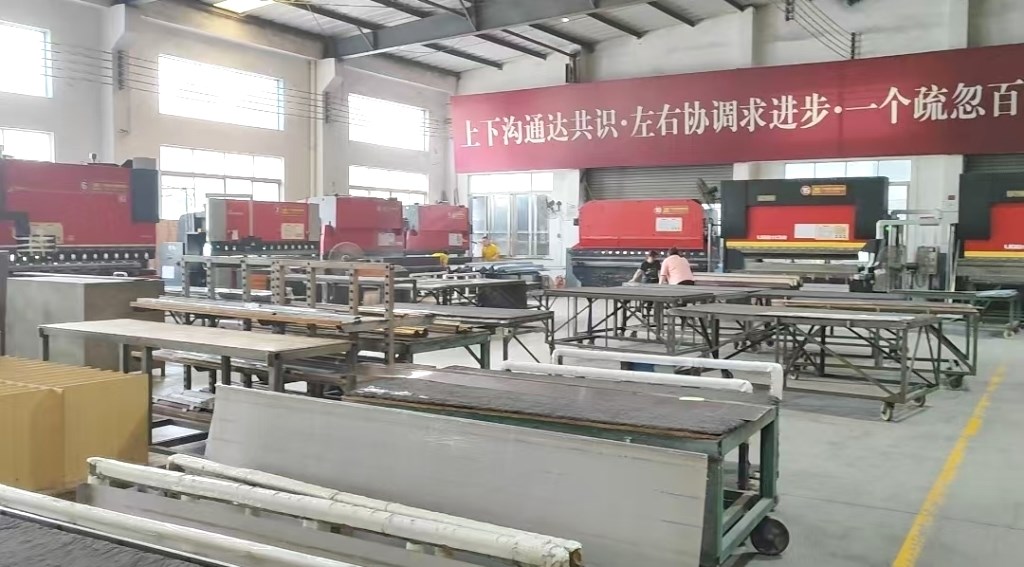
Multi-axis CNC press brakes bending profiles to construct rugged, warp-proof interlocking door frames.
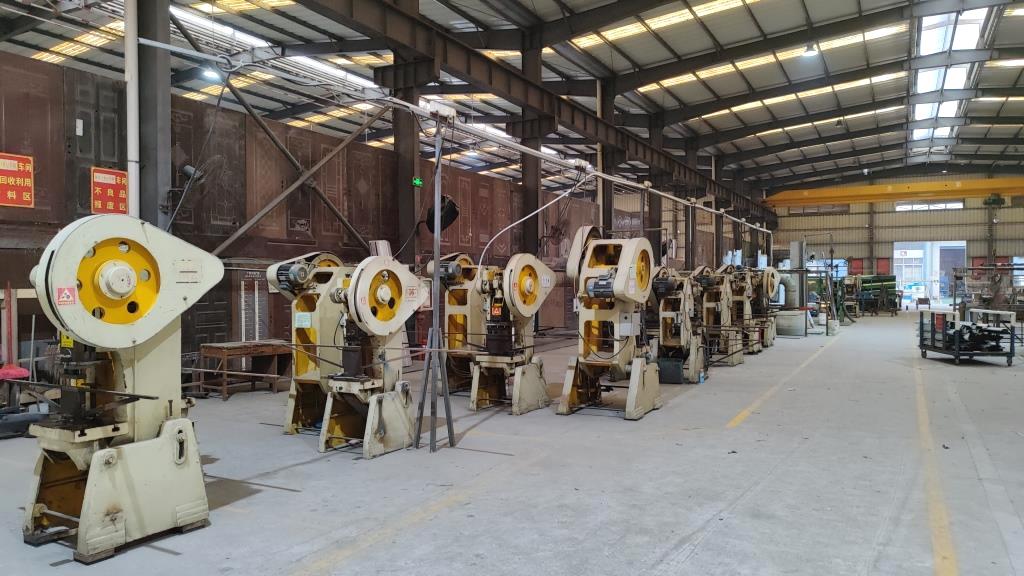
High-pressure mechanical punching to pre-bore hinge screw clusters and security cylinder reinforcing pockets.
A deep breakdown of the physics, thermal coefficients, and material science behind Larsom's weatherproof security doors.
Creating an interface that prevents water infiltration at high pressures while blocking physical intrusion requires balancing heavy structural elements with micro-tolerance gaskets. Below is the technical roadmap of Larsom's research and development engineering focus:
For custom security doors to remain flat, seal perfectly, and resist oxidation over decades, the choice of materials is critical. We use Electro-Galvanized Steel Plates (SECC) and marine-grade 6063-T5 aluminum extrusions. The inner core features high-density rock wool (120kg/m³) or polyurethane foam cores, sandwiched between fire-rated acoustic boards to achieve thermal insulation properties and noise attenuation levels up to 45dB.
Conventional metal doors act as thermal bridges, transmitting outside cold or heat directly to the interior, resulting in indoor condensation, mold, and increased energy consumption. Larsom's high-performance thermal break system separates the exterior metal panel from the interior structure using a low-conductivity polyamide insulating strip. This design breaks the thermal bridge, reducing structural heat transmission by up to 75%.
To resist physical tampering, doors are fitted with continuous hook locks, heavy-duty anti-pry bolts, and Grade 4 security cylinders. Weatherproofing is maintained via high-flexibility dual or triple EPDM rubber gaskets running along the entire door rebate. These compress seamlessly on closing, preventing rainwater intrusion even under high wind pressures (up to Class 4 water tightness under EN 1027 testing standards).
Answers to technical inquiries regarding customization options, material standards, logistics, and testing standards.
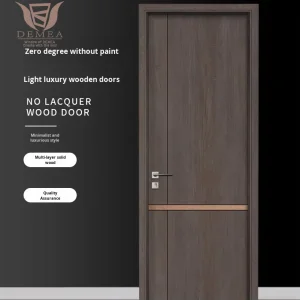
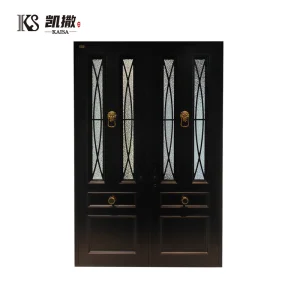
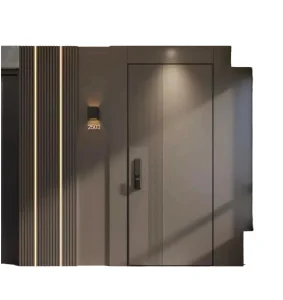
Explore additional specialized security entrance systems crafted for high-performance domestic and commercial projects.
 Larsom Door