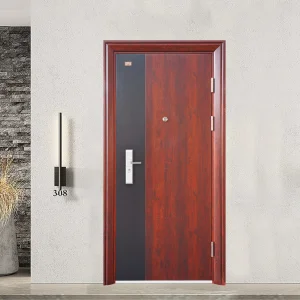
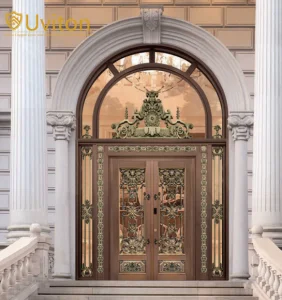
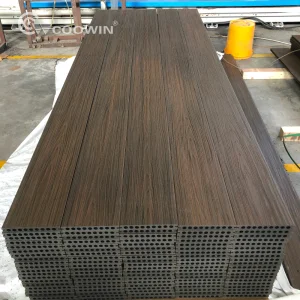
A technical whitepaper examining how physical principles, materials science, and precise manufacturing processes eliminate architectural noise transmission paths.
In modern architectural design, managing interior acoustics has transitioned from a niche luxury to a structural requirement. Whether building high-end residential complexes, premium hospitality projects, recording studios, or heavy-duty industrial test labs, acoustic integrity directly impacts occupant wellness, productivity, and privacy. Central to this challenge is the soundproof door, which is often the primary weakness in a building's acoustic barrier.
Standard architectural doors act as acoustic diaphragms, transferring sound waves directly into adjacent rooms through air leakage paths, lack of density, and structural flanking. Engineered sound-insulated doors solve these problems by using composite cores, perimeter seals, and heavy drop-seal systems. As a leading OEM/ODM sound insulated door factory, Larsom Door designs and manufactures soundproof door assemblies that meet strict international standards, ensuring predictable, high-performance sound attenuation in real-world installations.
"Understanding the logarithmic nature of decibels (dB) is essential for effective acoustic planning. A reduction of 10 dB in sound transmission is perceived by the human ear as a 50% decrease in loudness. Achieving a Sound Transmission Class (STC) rating of 40 or higher requires specialized door core density, non-coincidental material layering, and complete perimeter sealing."
When selecting architectural doors, project managers and acoustic consultants use two primary standards: STC (Sound Transmission Class) under ASTM E90/E413, and Rw (Weighted Sound Reduction Index) under ISO 10140-2/ISO 717-1. While standard hollow-core wooden doors provide an STC of only 15 to 20 dB (allowing normal conversation to be heard clearly), Larsom Door's specialized sound-insulated configurations achieve ratings from 35 dB to over 55 dB. This isolation is achieved by pairing high-mass core materials with flexible damping layers that convert acoustic energy into trace thermal energy.
Custom OEM/ODM Manufacturing Capabilities for Global Architectural and Acoustic Projects
Zhejiang Larsom Door Co., Ltd. is a professional manufacturer specializing in the research, development, production, and global sales of high-quality security doors, armored doors, steel-wood doors, and customized entrance door solutions. Since its establishment, Larsom Door has been committed to providing customers around the world with safe, durable, and stylish door products.
Today, the company operates a modern manufacturing facility covering more than 16,000 square meters, supported by an experienced team of over 160 skilled employees. With advanced production management and efficient manufacturing systems, our daily production capacity exceeds 200 sets of premium doors, enabling us to meet both large-scale projects and customized orders with reliable delivery.
Guided by the philosophy of "Quality First, Customer Foremost, Innovation for the Future," Zhejiang Larsom Door Co., Ltd. continues to improve its manufacturing capabilities, expand its international market presence, and build long-term partnerships with customers around the world. We sincerely welcome partners from every corner of the globe to visit our factory and establish mutually beneficial cooperation with us.
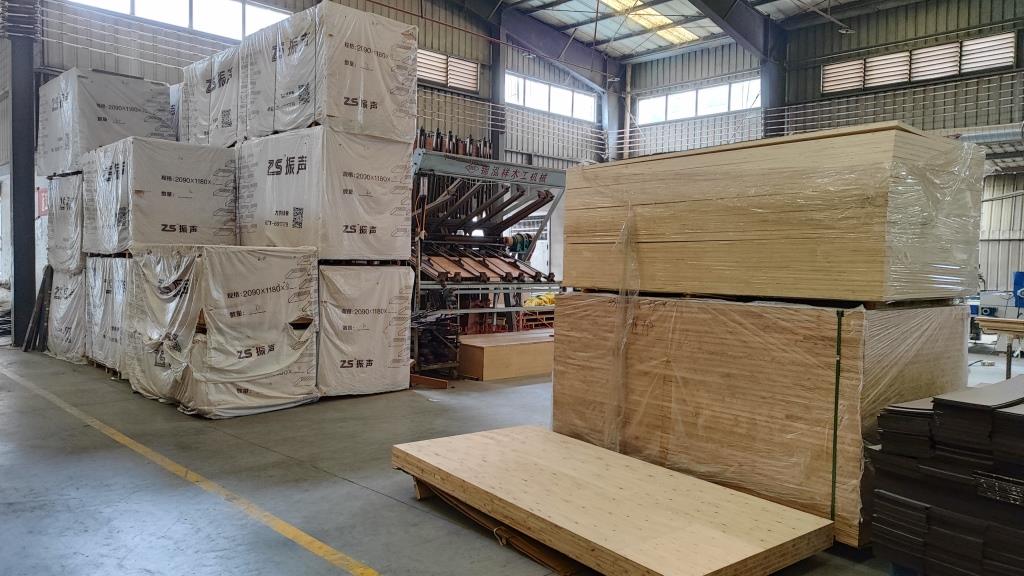
How our advanced machinery and strict quality control processes deliver reliable sound-insulating door assemblies
To consistently manufacture high-performance soundproof doors, precision engineering is required at every step. Even a 1mm gap in a door assembly can cause a 10 dB drop in acoustic performance, letting unwanted sound bypass the insulation. To prevent this, Larsom Door has invested in automated machinery that ensures precise tolerances, consistent core adhesion, and square frames for every door we make.
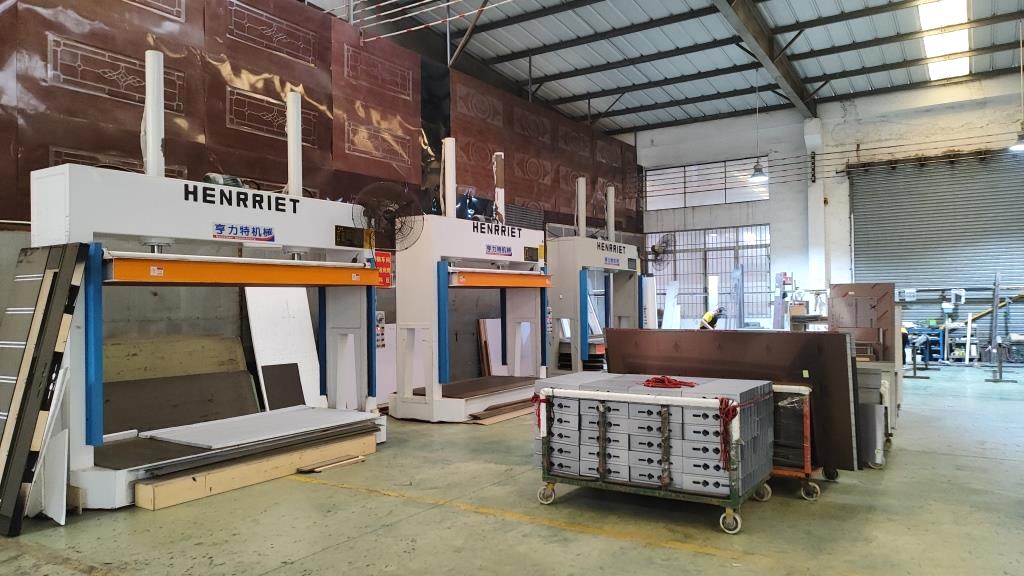
High-tonnage hydraulic presses bond structural veneers to multi-layer acoustic cores under monitored temperature and pressure.
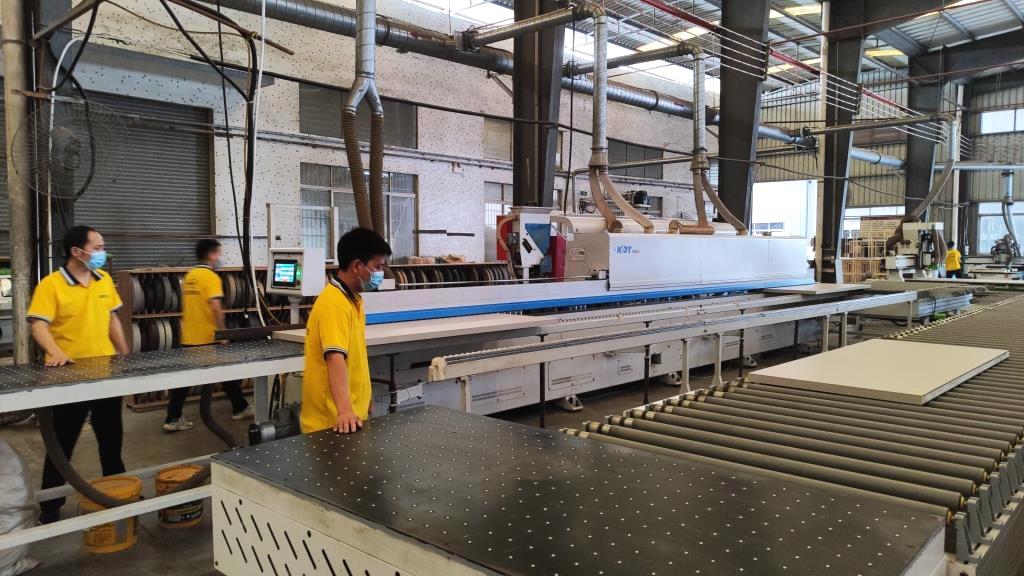
Precise splicing of solid core elements leaves no internal gaps, preventing air pockets that could transmit sound waves.
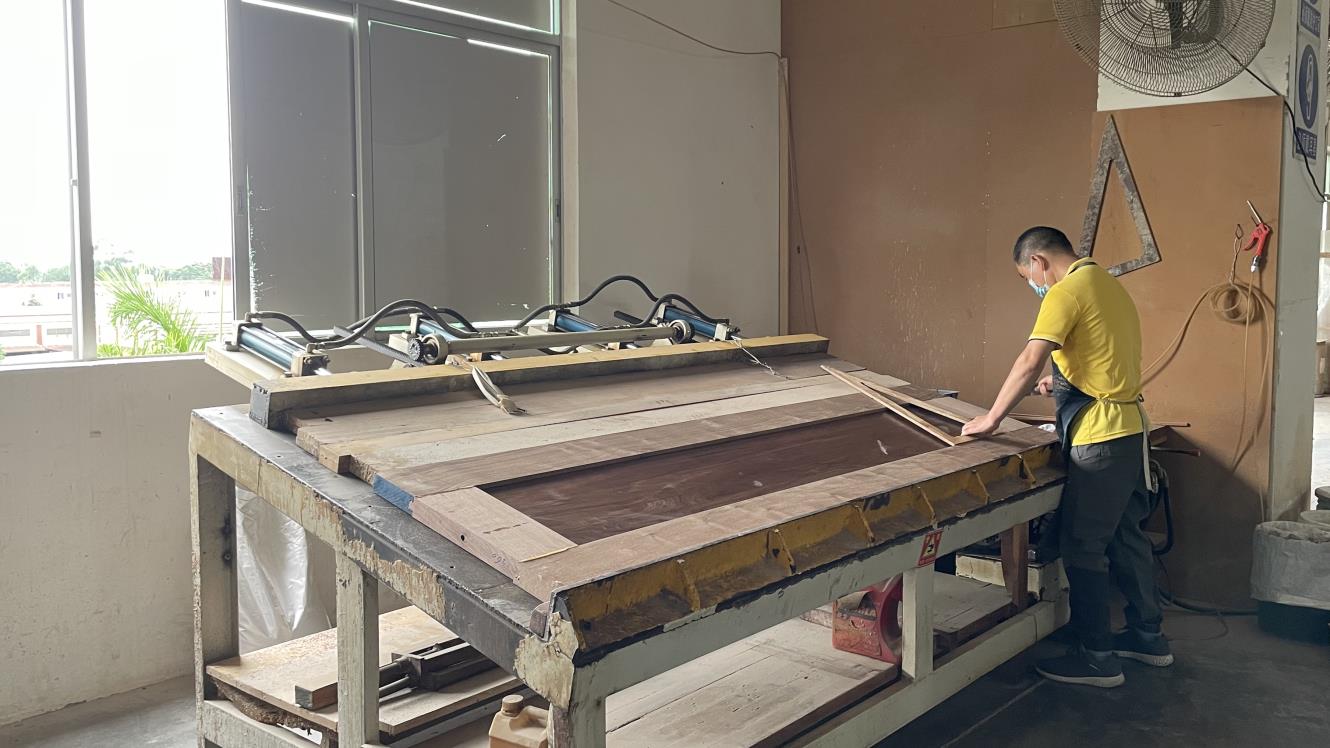
Automated edge profile sanding guarantees flush joints and a precise fit for the perimeter seals.
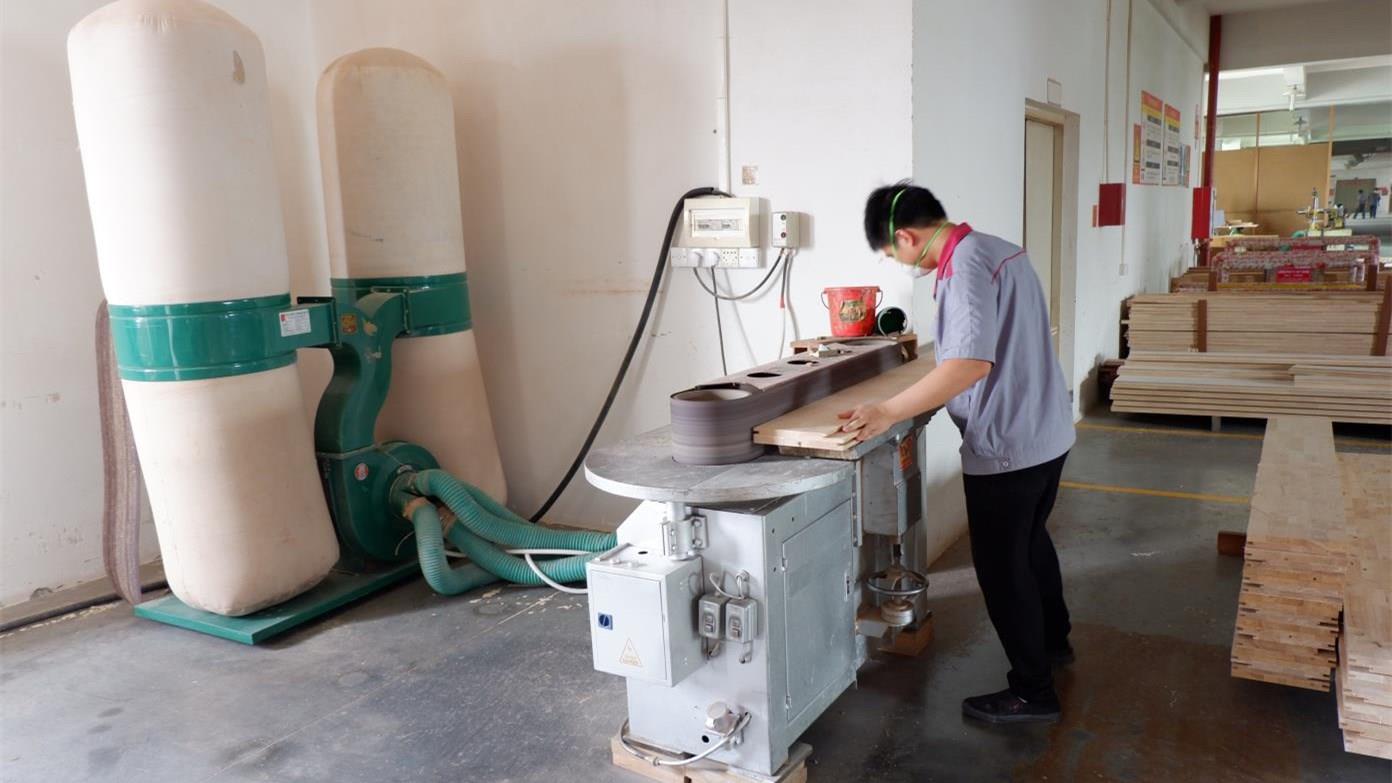
CNC routers carve custom designs and mortise recesses for hardware, locks, and automatic drop seals without compromising the door's acoustic integrity.
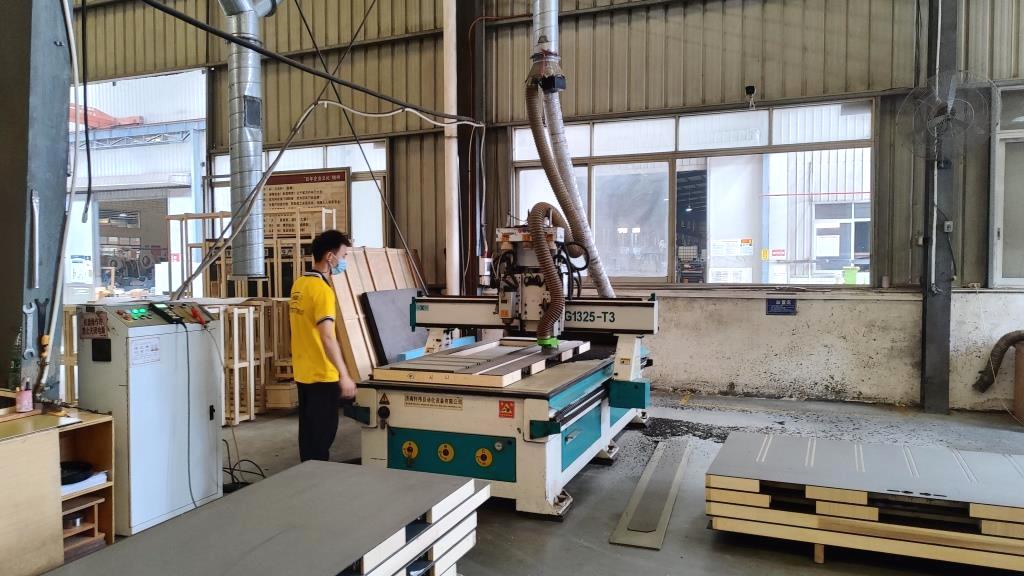
Cured UV coatings provide scratch resistance and seal the timber against moisture, keeping the door dimensionally stable over time.
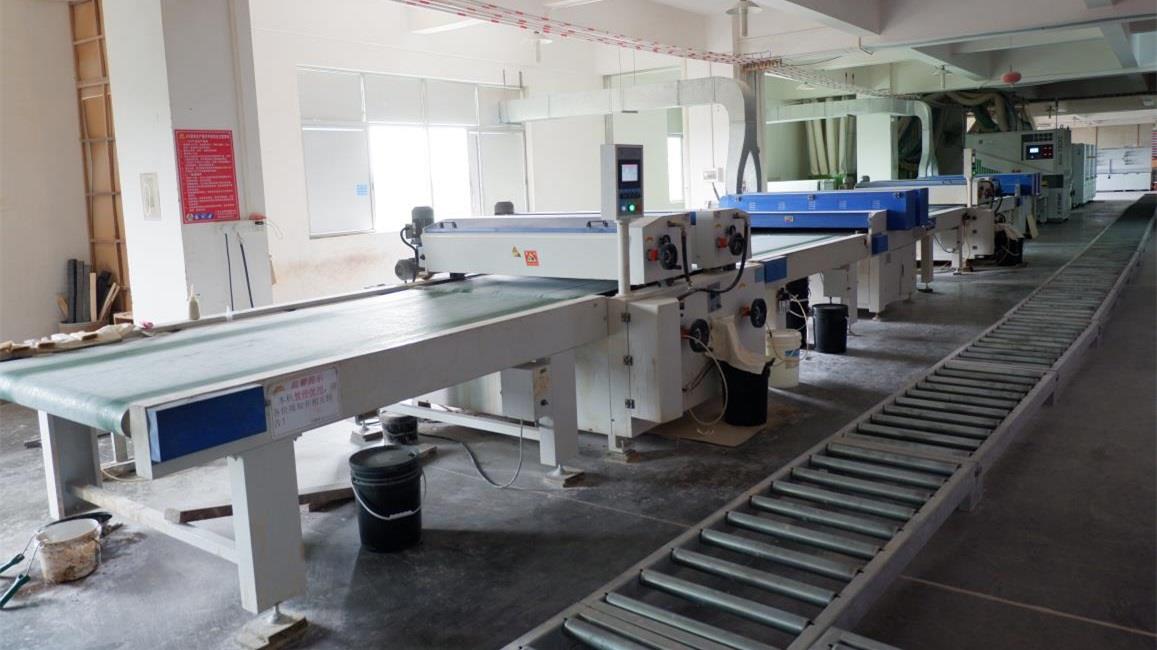
Heavy-duty shears cut structural steel and aluminum sheets to size, providing a strong base for armored security doors.
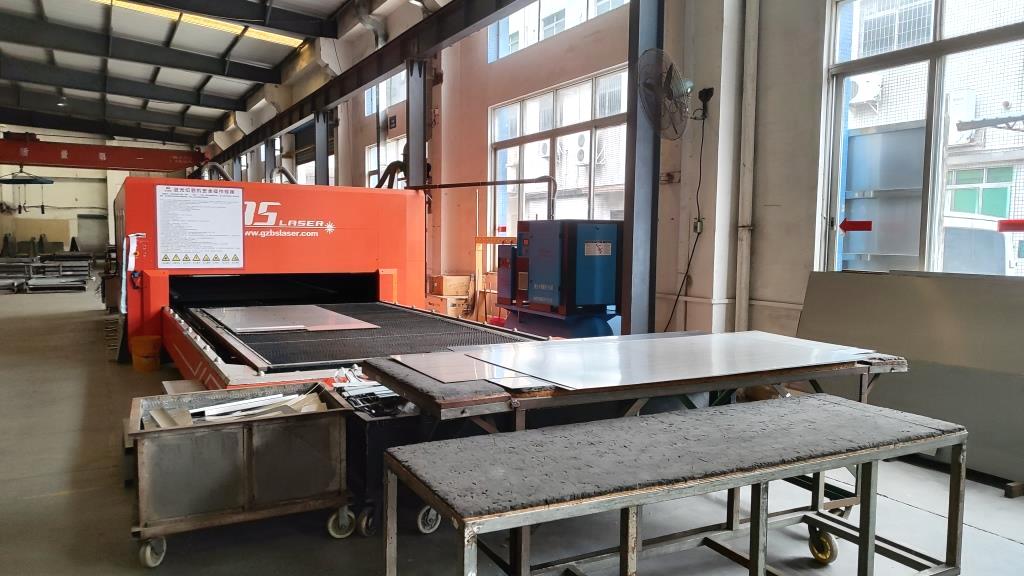
Laser and CNC systems cut precise apertures for glazing, locksets, and specialized hardware, keeping dimensional tolerances under 0.1mm.

CNC press brakes form door frames and metal skins, maintaining clean 90-degree bends that guarantee a tight seal against the wall frame.
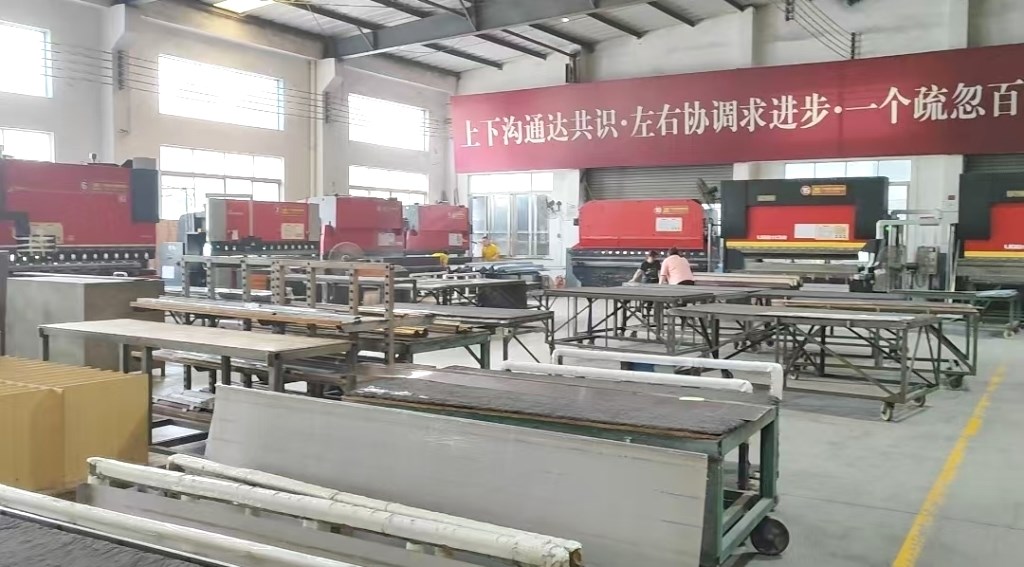
High-speed turret punching machines prepare locations for internal reinforcement, acoustic anchors, and hardware mountings.
How sound-insulated doors solve acoustic and security challenges across different commercial sectors
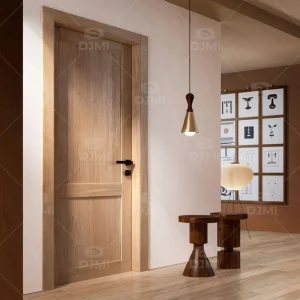
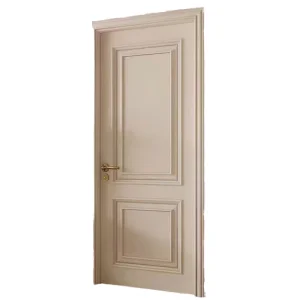
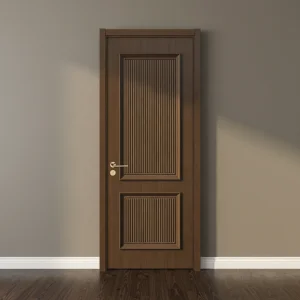
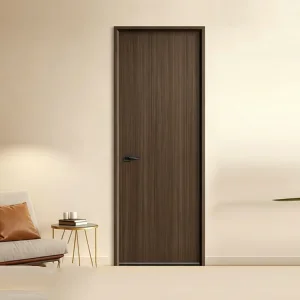
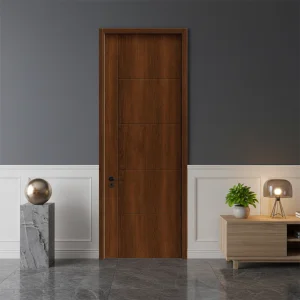
Modern hotels and premium office buildings require high acoustic privacy between rooms. Larsom Door's wood-veneer acoustic doors block sound up to 42 dB while blending seamlessly with high-end interior designs, meeting building regulations without sacrificing style.
Studios demand extremely quiet environments with STC ratings of 50+. Our multi-layer acoustic doors feature double perimeter seals, composite cores, and split-frame systems that isolate low-frequency rumble, keeping ambient noise out of critical recording spaces.
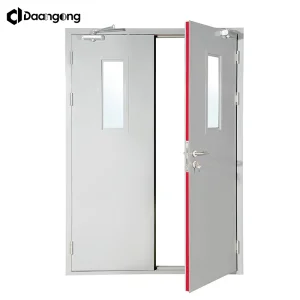
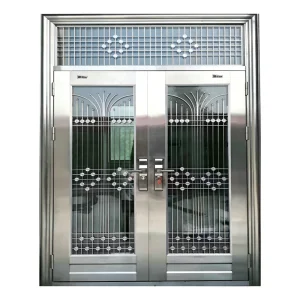
Machinery, generators, and servers generate continuous high-frequency and low-frequency noise. Our heavy-duty steel acoustic doors reduce noise while providing fire protection and physical security, creating a safer, quieter working environment for facility staff.
Beyond standard applications, Larsom Door develops specialized solutions for hospitals, education centers, and government offices. For example, medical consultation rooms and legal facilities rely on our soundproof wood and steel-framed doors to keep confidential conversations private. Our doors are built to withstand heavy daily use while maintaining their soundproofing capabilities over time, making them a reliable choice for commercial projects.
The engineering behind high-performance acoustic barriers
To block sound effectively, a door assembly must address three physical principles: Mass, Damping, and Absorption. Traditional solid wood doors have decent mass but still transmit sound through vibration. Larsom Door's engineered acoustic doors use a multi-layer design to tackle sound across different frequencies:
These components are engineered to work together as a single system. Our ODM custom designs let architects specify unique dimensions, finishes, and lock systems while maintaining the required STC and fire-resistance ratings.
Navigating building codes and certifications across international markets
For international projects, conforming to local building codes is critical. Larsom Door exports to over 130 countries and designs its products to meet major global standards, including European Standard EN 1634, British Standard BS 476, and North American UL 10B / UL 10C for fire-rated doors. When projects require both acoustic insulation and fire protection, our dual-rated doors deliver reliable performance under both categories.
Our engineering team works closely with developers, architects, and distributors to supply certified products accompanied by full test reports. Our local support services include design consultation, detailed engineering drawings, and step-by-step installation guides to ensure the doors are fitted correctly for optimal sound isolation. Proper installation is key, and our guides help teams install frames, gaskets, and drop-seals correctly to avoid acoustic leaks.
Innovation trends in architectural soundproof solutions
As smart building technology and sustainable architecture grow, the requirements for soundproof doors are changing. Larsom Door is developing new solutions to meet these future needs:
Common questions from architects, contractors, and trade partners
STC (Sound Transmission Class) is the standard measurement method in North America (ASTM E90), focusing on frequencies from 125 Hz to 4000 Hz. Rw (Weighted Sound Reduction Index) is the international standard (ISO 717-1) used in Europe. While similar, Rw covers a slightly wider frequency range, which can result in a 1 to 2 dB difference between the ratings for the same door construction.
Yes. Larsom Door manufactures composite doors that provide both soundproofing and fire protection. We use fire-resistant mineral cores alongside intumescent seals that expand in high heat to seal gaps, offering up to 60 or 120 minutes of fire protection while maintaining sound ratings up to 45 dB.
A door needs clearances at the threshold to open and close smoothly. However, a 5mm gap at the bottom of a door will let sound pass through easily, reducing a 40 dB door to a 20 dB door. An automatic drop seal mechanical system drops a neoprene gasket down when the door closes, sealing the bottom gap completely and keeping the door's soundproofing intact.
We offer customization across dimensions, core materials (rockwool, composite board, solid timber), frame types (steel, aluminum, wood), hardware preparation, and finishes (UV paint, real wood veneers, high-pressure laminates). We also design and label products for OEM clients under their own brands.
 Larsom Door