Architectural-grade entryway systems engineered to mitigate acoustic transition, withstand high-velocity impacts, and comply with rigorous global fire safety and thermal performance ratings.
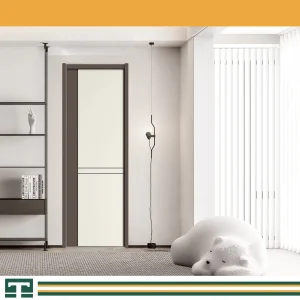
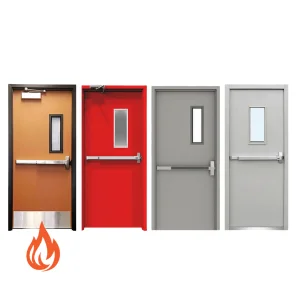

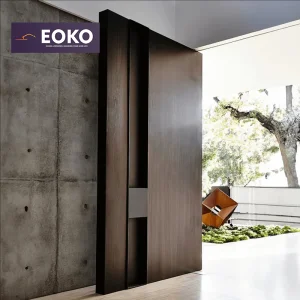
Driven by rapid urbanization, stricter building codes, and an increased emphasis on mental well-being, the demand for high-performance acoustic isolation systems has risen sharply.
In modern architectural design, noise transmission control is no longer a luxury but a regulatory necessity. Acoustic soundproof doors serve as vital components in suppressing airborne and structure-borne sound. Historically, soundproofing was confined to recording studios and high-security government installations. Today, decentralized commercial workspaces, high-density multi-family residential projects, and specialized medical clinics demand lab-tested acoustic barrier systems capable of reaching high STC (Sound Transmission Class) and Rw ratings.
The transition from heavy, high-mass doors to multi-layer composite systems with integrated smart seals represents a significant leap forward in acoustic physics. Instead of relying solely on thick, heavy steel plates, contemporary acoustic door factories employ advanced engineering principles, utilizing viscoelastic damping layers, honeycomb/solid-core composite wood, and mineral-insulated acoustic cores. This combination ensures maximum decibel attenuation while maintaining an aesthetically pleasing profile that integrates with modern interiors.
The industry benchmark is shifting from generic acoustic partitions to doors engineered to achieve ratings between STC 35 and STC 55+, matching rigorous building regulations.
Modern applications demand dual-certified assemblies, merging sound control with UL/EN fire ratings and certified security parameters.
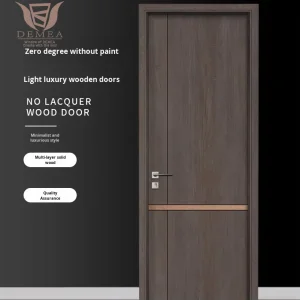
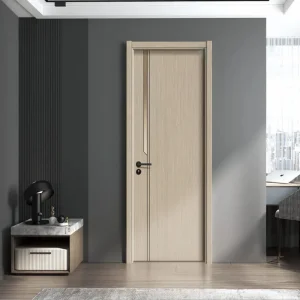
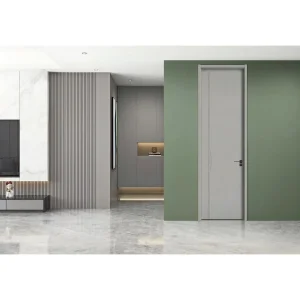
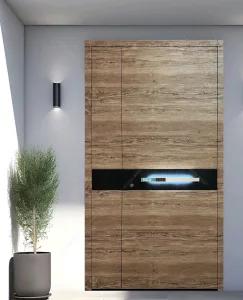
Sourcing patterns indicate high demand for customized textures, ranging from wood grains and matte lacquer coatings to heavy-duty armored finishes.
Architects, real estate developers, and general contractors evaluate soundproof door factories not only on cost, but on regulatory compliance, lead-time precision, and mechanical durability.
In global commercial procurement, sourcing the ideal acoustic doors requires a deep understanding of operational environments. A high-value procurement cycle evaluates the Total Cost of Ownership (TCO), which encompasses long-term durability, hardware cycles, and installation tolerances. If a factory delivers a door with a high STC rating but uses cheap acoustic drop seals that fail after 10,000 cycles, the system's performance drops, leading to client complaints and expensive retrofitting costs.
Moreover, global customs and building certifications require strict compliance with international testing methods. In the United States, ASTM E90 and ASTM E413 serve as the test methods for evaluating sound transmission loss, while European projects look for EN ISO 10140 standards. Reliable suppliers offer comprehensive testing documentation from third-party certified testing labs, ensuring that the acoustic ratings advertised translate to real-world performance on-site.
Zhejiang Larsom Door Co., Ltd. is a modern manufacturer specializing in the research, development, production, and global distribution of premium-grade security doors, armored entry systems, steel-wood composites, and customized acoustic doors. Spanning a modern manufacturing footprint of over 16,000 square meters and staffed by a dedicated team of over 160 skilled employees, our manufacturing plant output exceeds 200 sets of premium doors per day, enabling us to support large-scale commercial developments and custom high-end architectural projects worldwide.
Guided by the core philosophy of "Quality First, Customer Foremost, Innovation for the Future", Larsom Door maintains a strong market footprint in over 130 countries and regions across Europe, the Middle East, Africa, South America, and Central/Southeast Asia. Our flexible production lines support extensive OEM and ODM customization options, catering to building contractors, real estate developers, and wholesale importers globally.
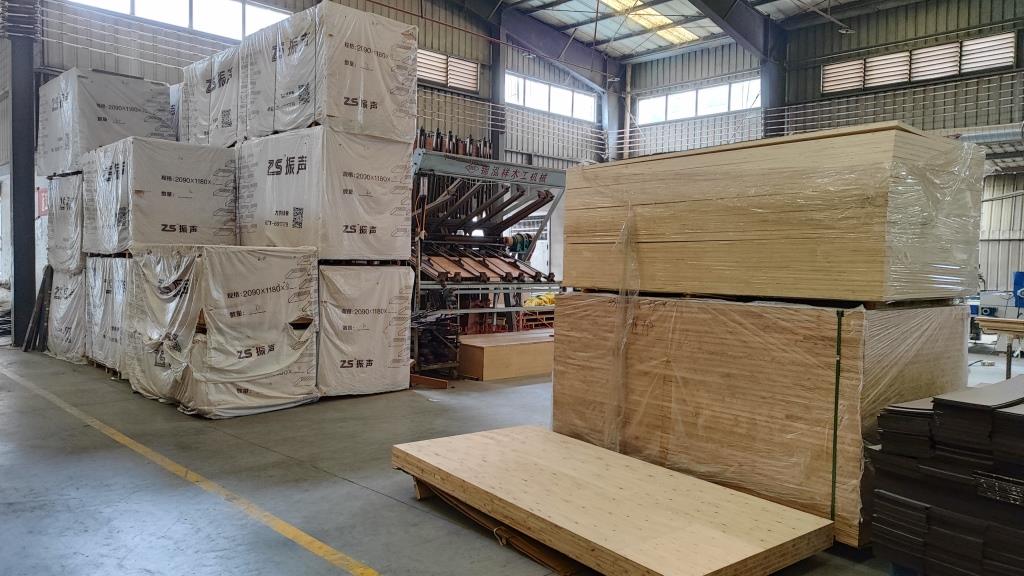
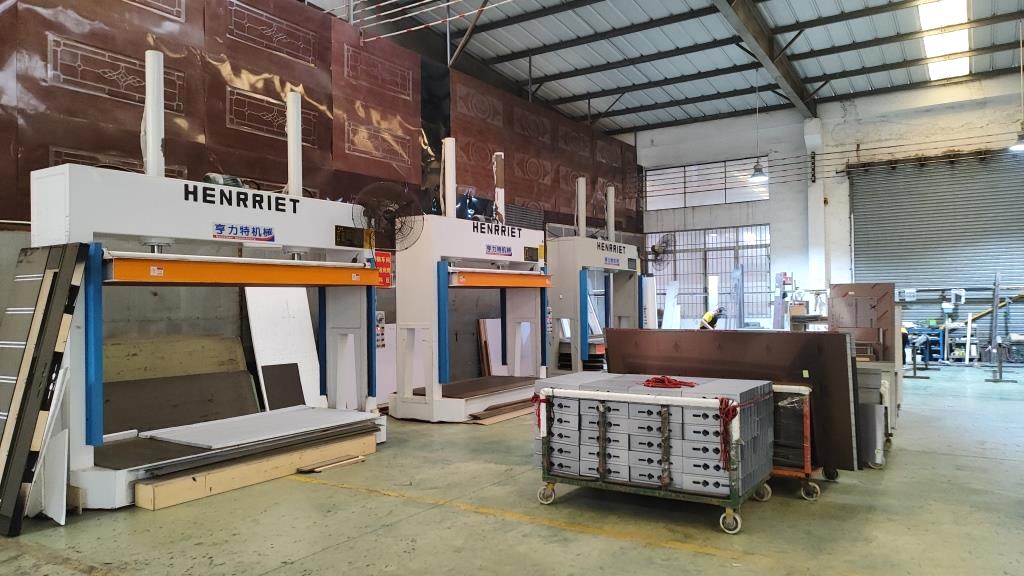
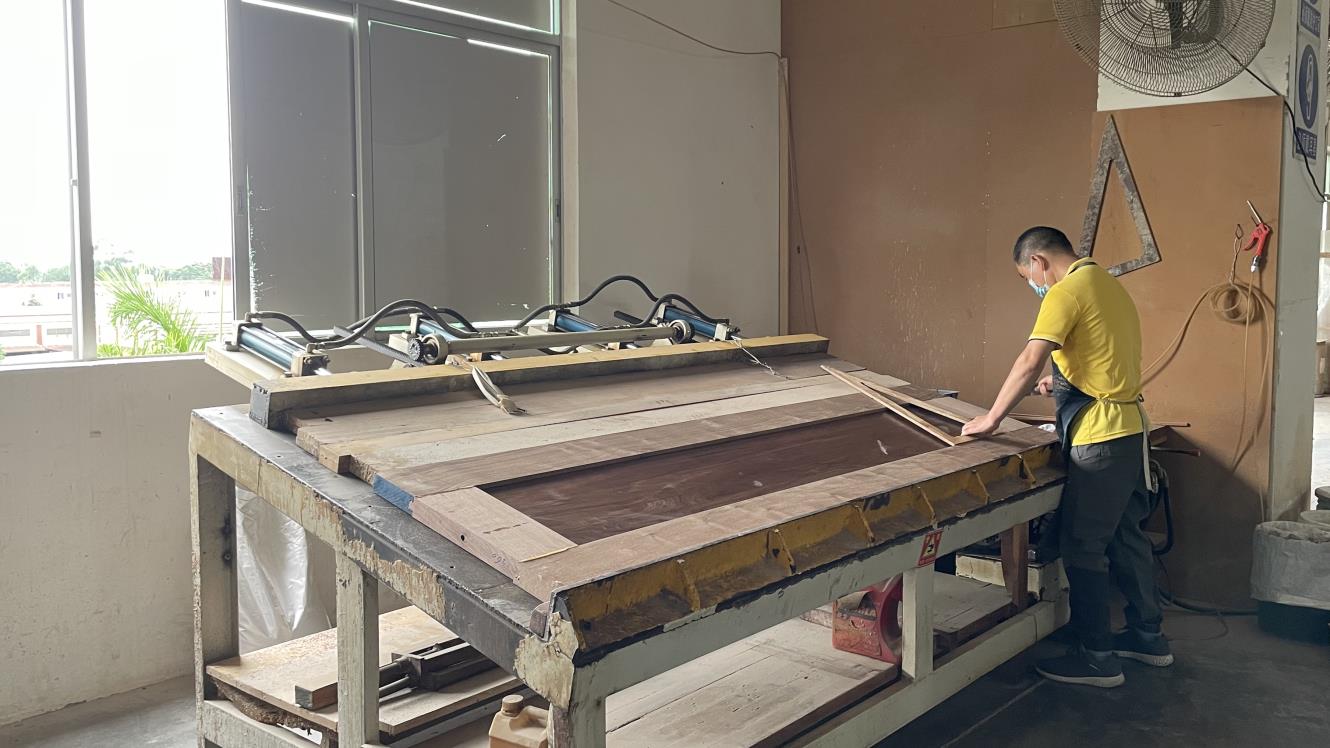
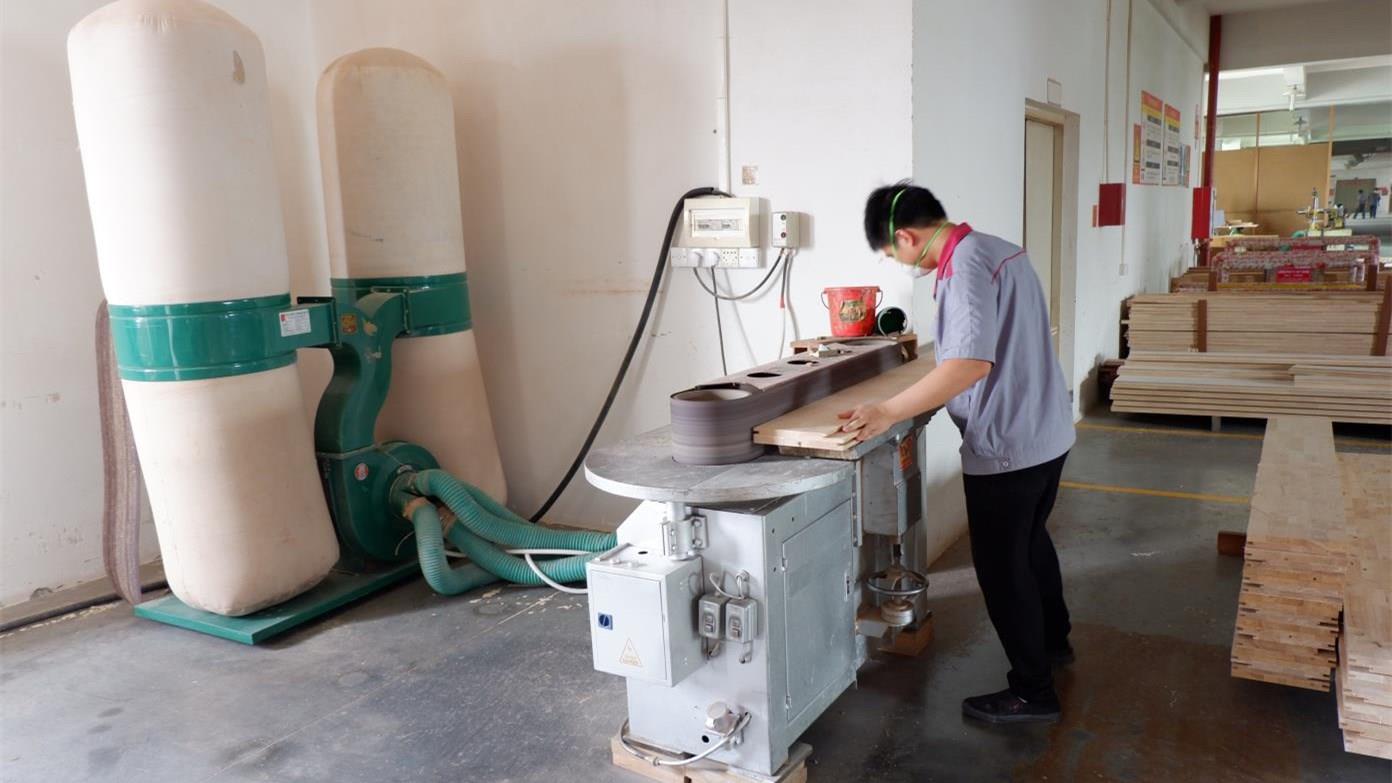
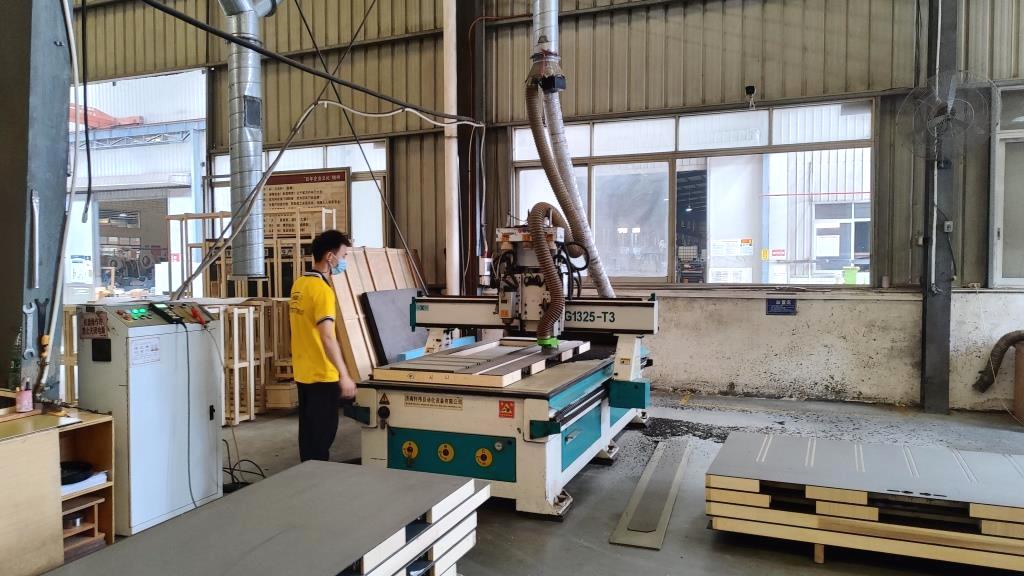
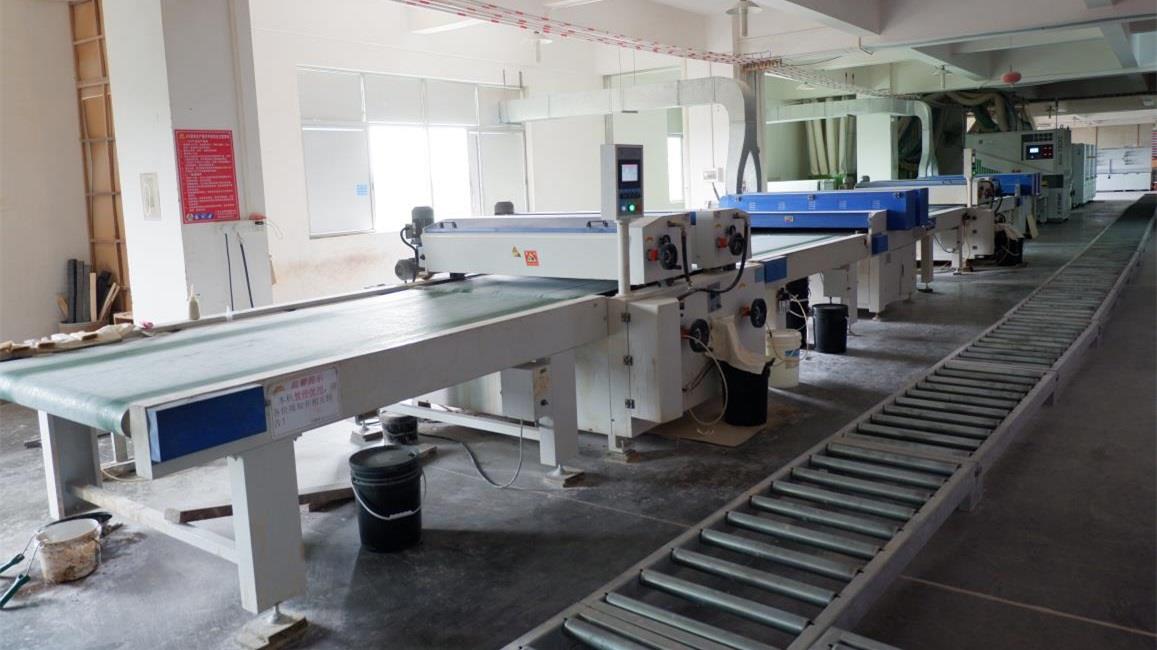
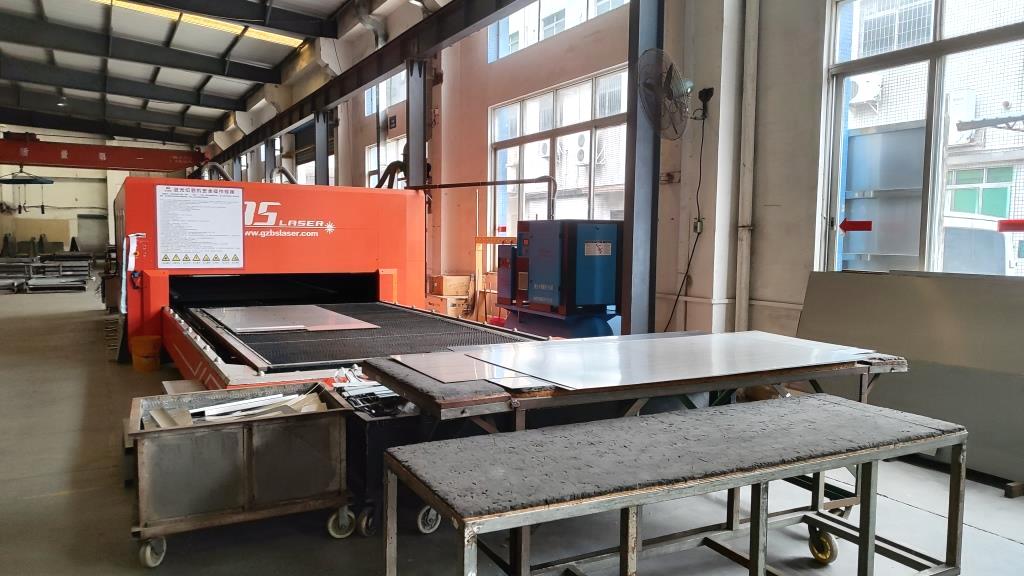
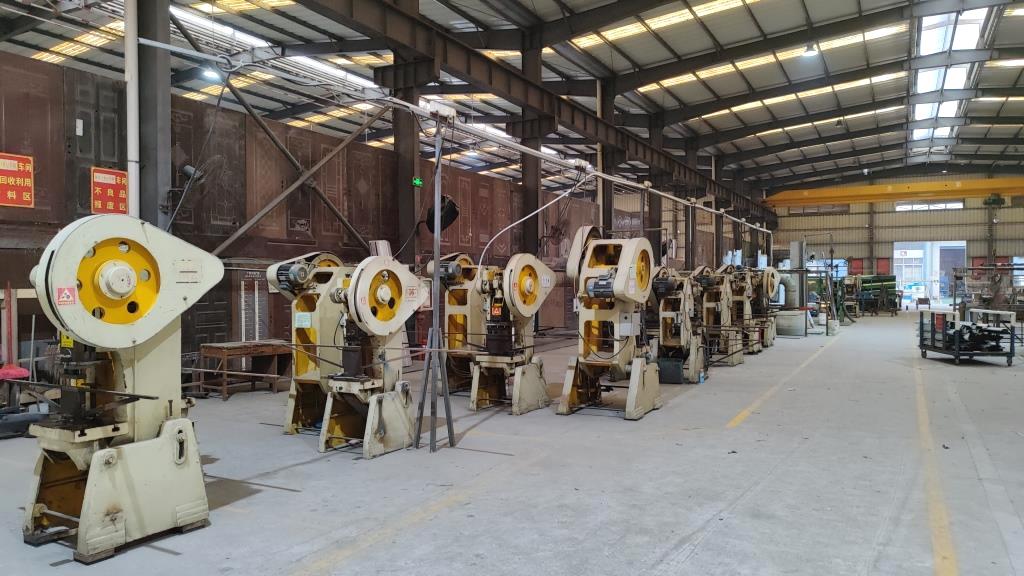
Behind Larsom’s performance is a manufacturing line utilizing CNC laser cutting, automated punching, high-precision bending, and modern quality control systems.


Understanding how acoustic doors prevent sound energy transmission across structural interfaces.
Acoustic isolation relies on the laws of physics: Mass, Damping, and Decoupling. Standard interior hollow-core doors act like structural drums, resonating and amplifying sound waves. High-STC acoustic doors, on the other hand, break this resonance path using a complex, multi-layered core assembly.
A typical high-performance acoustic door core consists of alternating layers of dense particle board, sound-absorbing mineral wool, viscoelastic damping sheets, and structural wood veneers. The interface between the door leaf and the frame is sealed using perimeter sound-gaskets and automatic drop seals that drop down when the door closes, sealing the bottom gap without causing frictional wear.
Converts sound wave kinetic energy into microscopic thermal energy, dampening internal core resonance and preventing structural bypass.
Concealed heavy-duty plunger mechanisms drop mechanical neoprene gaskets into place upon closure, ensuring tight contact against the threshold.
Different environments require custom-configured soundproofing. We engineer specialized solutions for varied use-cases.
Improves guest satisfaction and privacy by blocking hallway and ambient room noise, utilizing luxury wooden flush soundproof assemblies with 30-minute fire resistance.
Engineered for high-traffic corridors, lecture halls, and music rooms, optimizing acoustic performance to prevent noise spillover between classrooms.
Ensures confidentiality in boardrooms, executive suites, and corporate huddle rooms, utilizing minimalist aesthetic profiles without compromising acoustic performance.
Expert answers to common architectural and engineering questions regarding soundproof and performance-rated entry systems.
STC (Sound Transmission Class) is the North American standard based on ASTM E413, measuring sound transmission loss across a frequency range from 125Hz to 4000Hz. Rw (Weighted Sound Reduction Index) is the international standard defined by ISO 717-1, measuring sound reduction across 100Hz to 3150Hz. While similar, they are evaluated differently and require specific testing certifications depending on regional building codes.
Sound acts like air or water: it flows through the smallest structural openings. Even a minor 1% gap around the bottom perimeter of a door can reduce the overall soundproofing performance by up to 50%, transforming a high-STC door into a standard partition. High-quality automated seals use mechanical springs to seal the bottom gap when closed, maintaining the door assembly's acoustic integrity.
Yes, they can. High-performance soundproof doors can be configured with fire-resistant cores, satisfying fire rating periods from 20 minutes up to 90 minutes or more, depending on structural core materials. Sourcing from certified factories like Larsom ensures doors are manufactured to meet fire safety and acoustic standards simultaneously.
Standard lead-times range from 25 to 35 days, depending on custom hardware requirements and surface designs. Our modern CNC production lines and automated welding processes allow us to handle large-volume orders while maintaining consistent quality standards across batches.
Architectural-grade doors designed for commercial applications, private residences, and high-security zones globally.
 Larsom Door