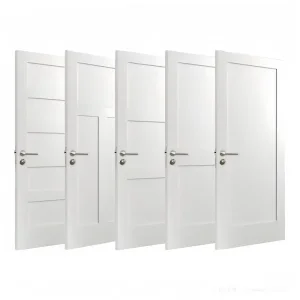
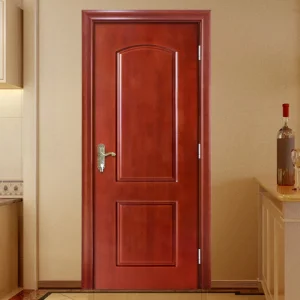
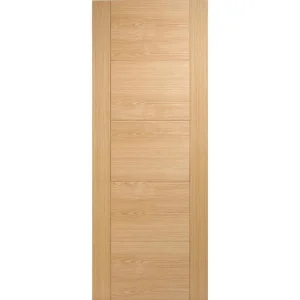
Explore our highly engineered wooden, metal composite, and pivot entrance doors, certified to meet international security, wind-load, and fire-resistant standards.
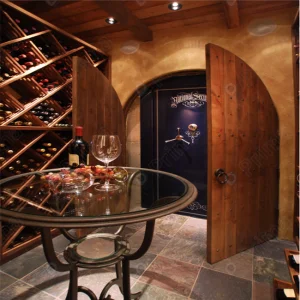
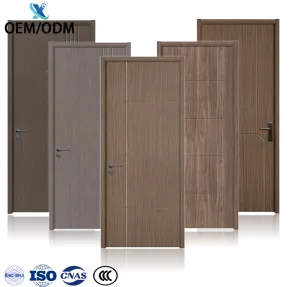
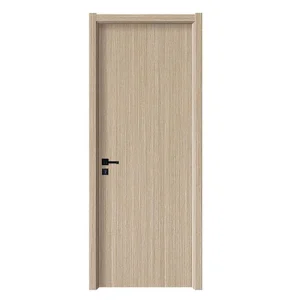
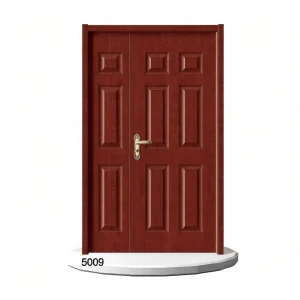
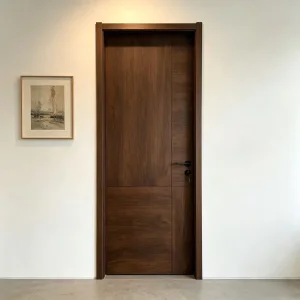
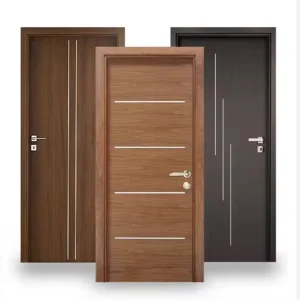
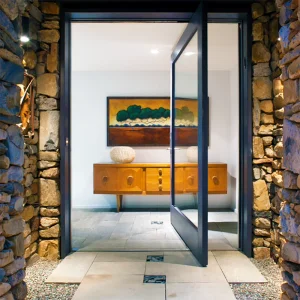
Analyzing key structural transformations, biometric access integrations, and performance benchmarks governing modern building enclosures.
In the contemporary architectural landscape, the traditional mechanical front door has evolved into a sophisticated, IoT-enabled node within smart buildings. Globally, developers, B2B procurement managers, and security professionals are seeking exterior smart entry doors that seamlessly blend physical ruggedness with digital connectivity. According to industry analysis, the smart entry and security door market is projected to expand significantly, driven by trends in urbanization, high-security multi-family residential developments, and the mass adoption of home automation systems.
From a manufacturing standpoint, this shift requires a combination of structural materials such as electro-galvanized steel sheets, cold-rolled steel, and composite wood structures (including WPC and MDF) with automated security components like multi-point locking systems, biometric sensors, RFID, and digital smart glass. Finding a top-tier manufacturer who understands this convergence is crucial for international projects seeking regulatory compliance and performance reliability.
Utilizing high-tensile steel frame structures, armored cores, and multi-point deadbolt mechanisms to offer robust protection against physical breaches (conforming to RC3/RC4 security grades).
Seamless communication protocols (RS485, Zigbee, Z-Wave, Wi-Fi) connecting your entry gate to localized BMS platforms, allowing secure monitoring and control.
Incorporate structural polyurethane foam cores and thermal break profiles to maintain outstanding U-values, adhering to demanding energy conservation regulations.
Introducing Zhejiang Larsom Door Co., Ltd. - An expert in specialized high-security and smart exterior door manufacturing.
Zhejiang Larsom Door Co., Ltd. stands at the forefront of China's high-tech industrial manufacturing, specializing in research, development, production, and global export of security doors, armored entry structures, composite wood systems, and custom smart front doors. Driven by international performance expectations, Larsom Door operates a modern manufacturing facility covering more than 16,000 square meters, supported by an experienced team of over 160 skilled employees.
Leveraging continuous technology investments, our daily production capacity exceeds 200 sets of premium doors. This structural volume enables Larsom Door to meet bulk procurement requirements for major international real estate developments while offering high levels of flexibility for localized, project-specific custom designs.
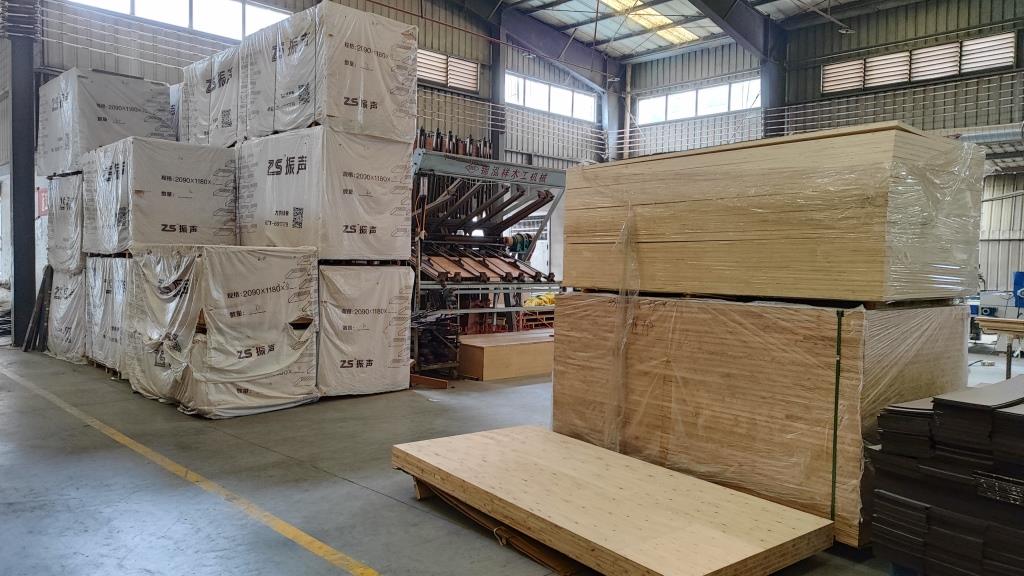
Following strict ISO 9001 compliance standards, our manufacturing processes utilize advanced CNC automation to guarantee minimal tolerances and optimal mechanical performance.
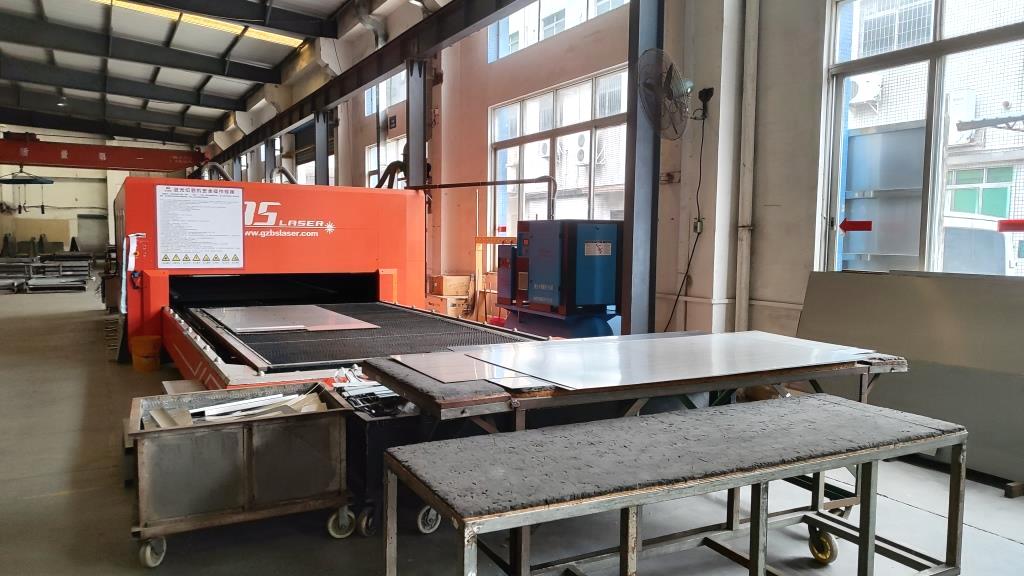
Heavy-duty hydraulic shearing to size metal panels precisely before shaping.
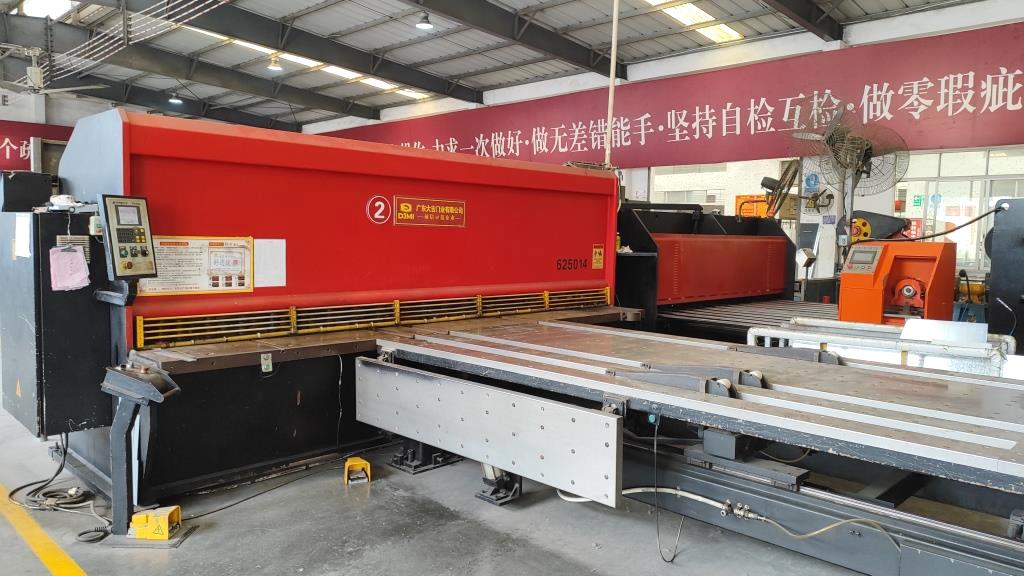
High-precision fiber laser cutting to create openings for smart locks, cameras, and hardware.
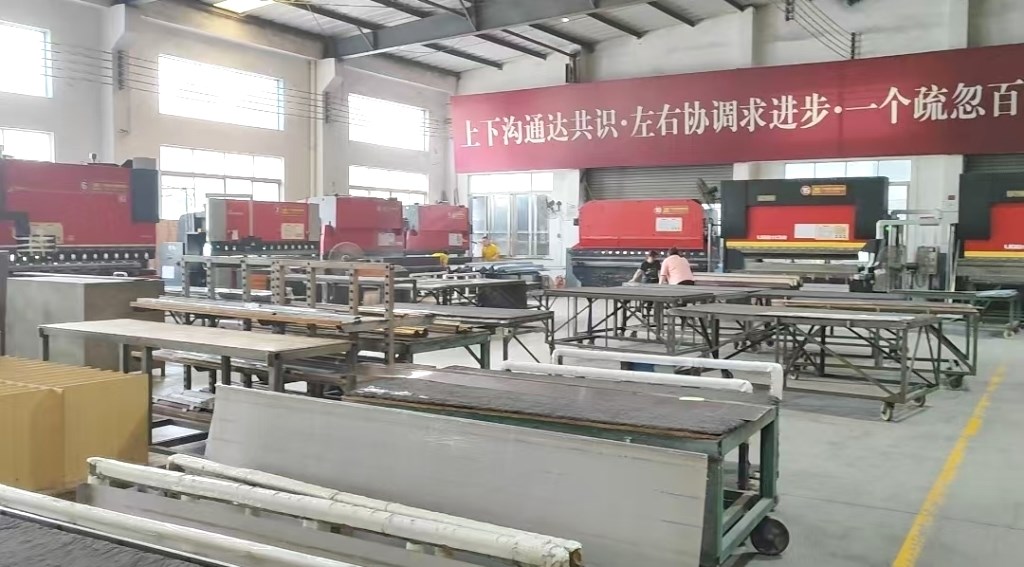
Forming the door edges and internal reinforcement channels on automated CNC bending presses.
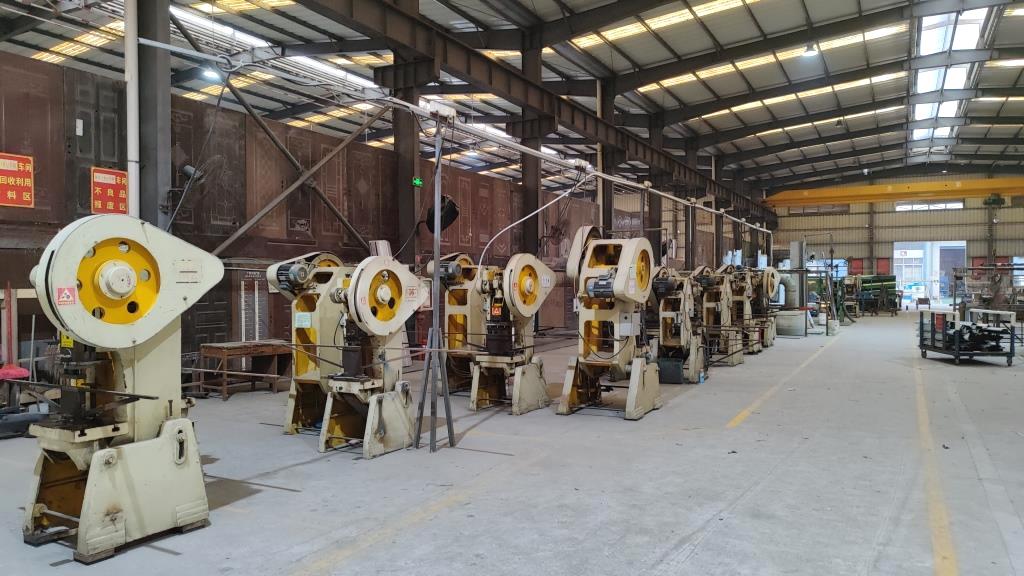
Forming lock bolt slots and hinge placements with high-speed turret punching systems.
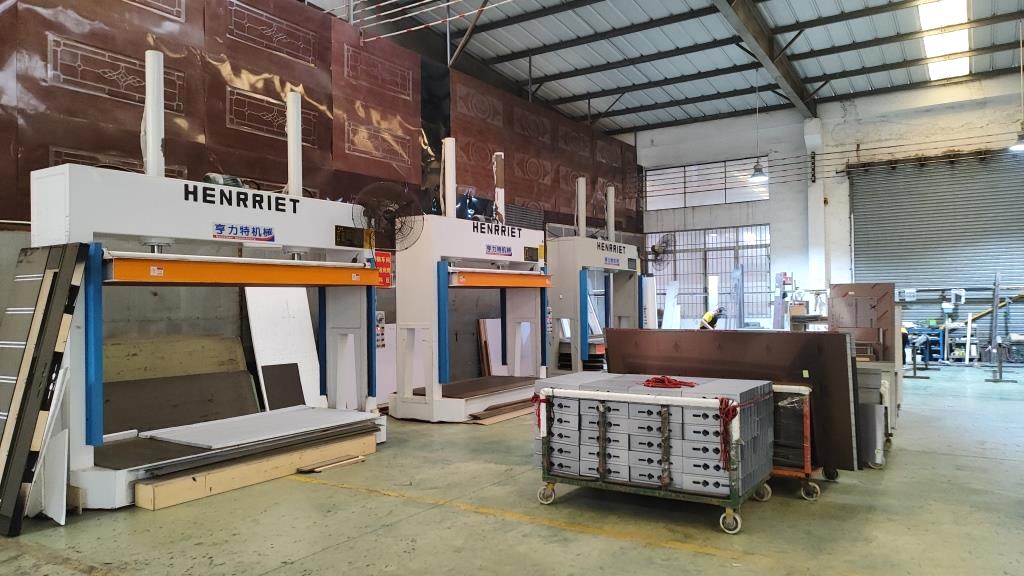
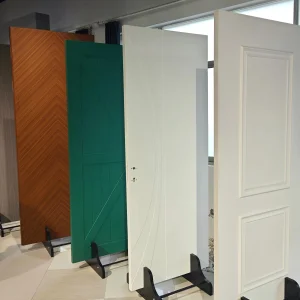
Hydraulic lamination press ensures solid structural bonding between core materials and outer skins.
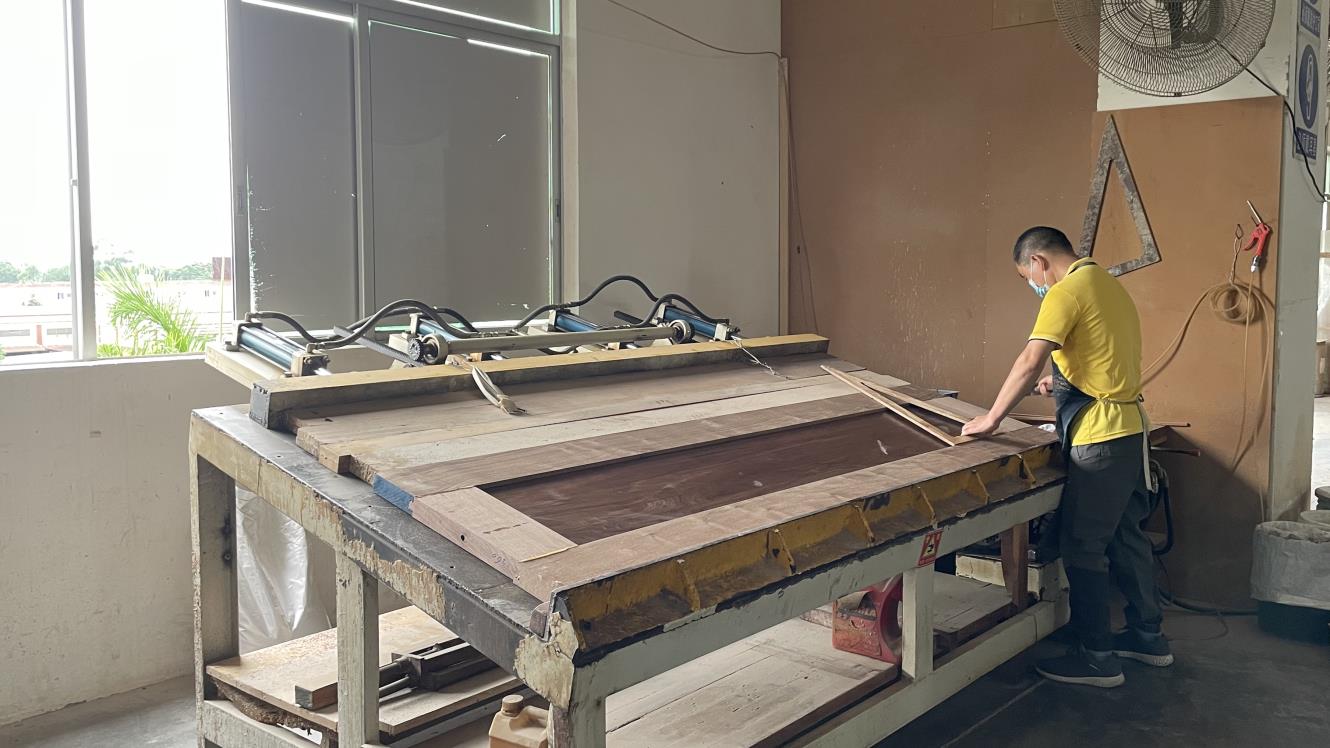
Ensuring seamless wood frame joints or structural profile connections for thermal-break models.
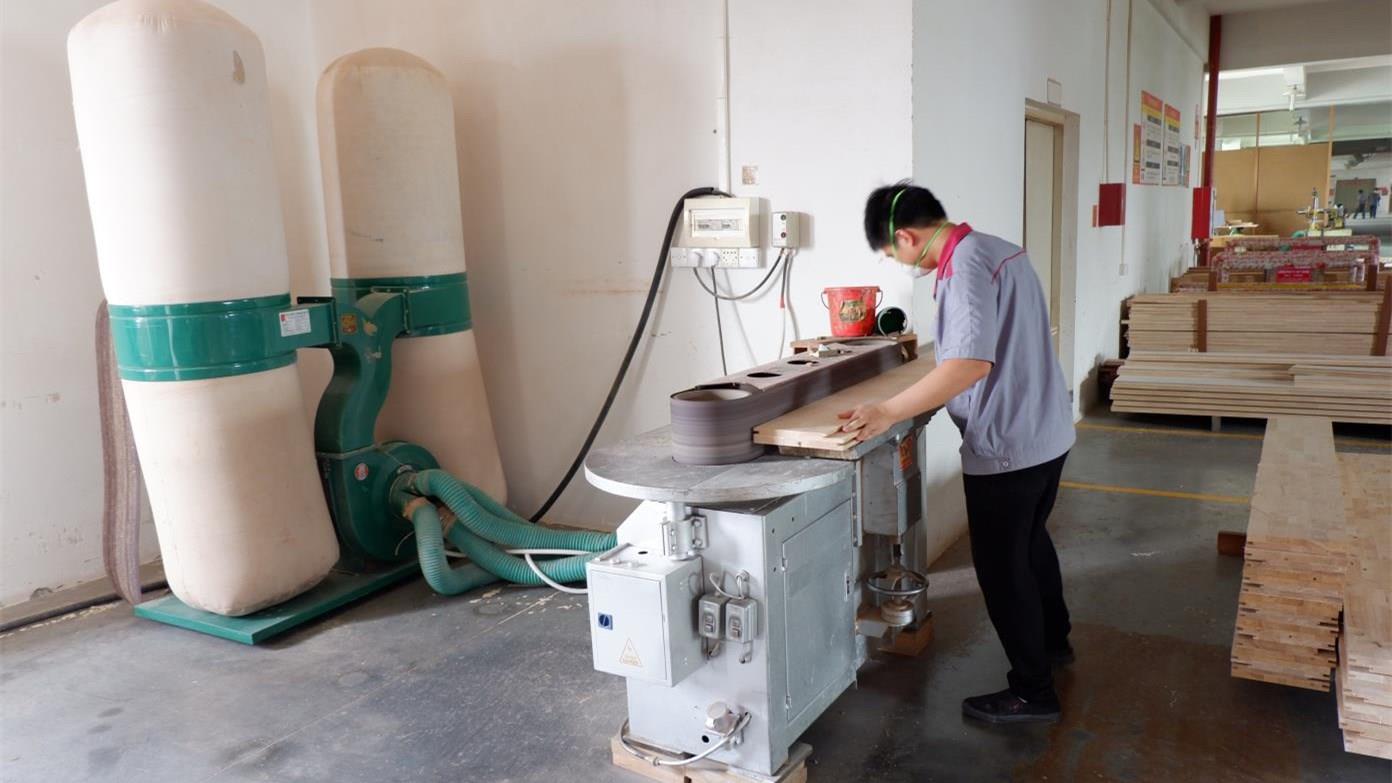
Automated belt sanding processes to achieve extremely flat and clean edges prior to finishing.
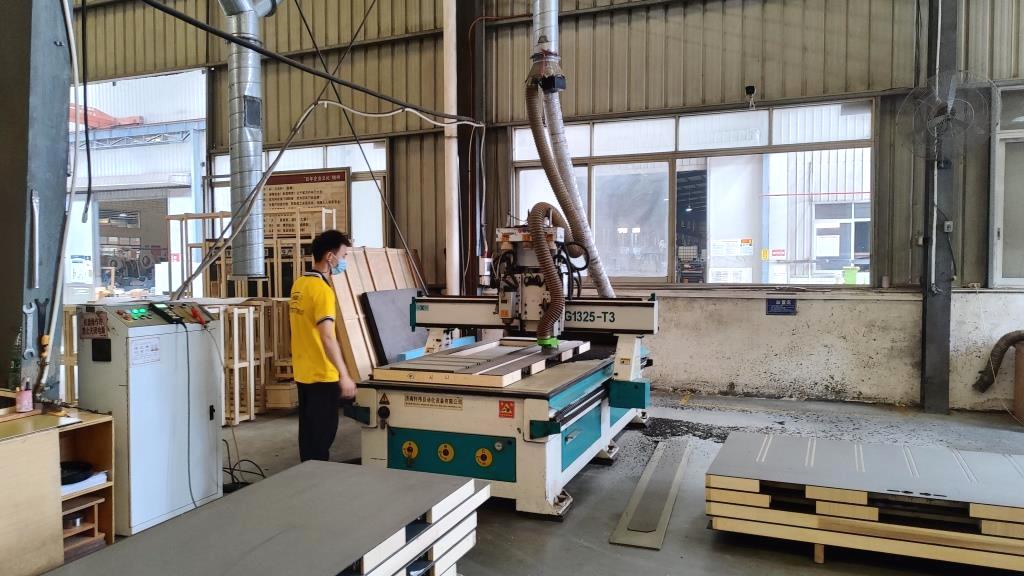
CNC carving machines etch precision architectural profiles and designer textures onto face boards.
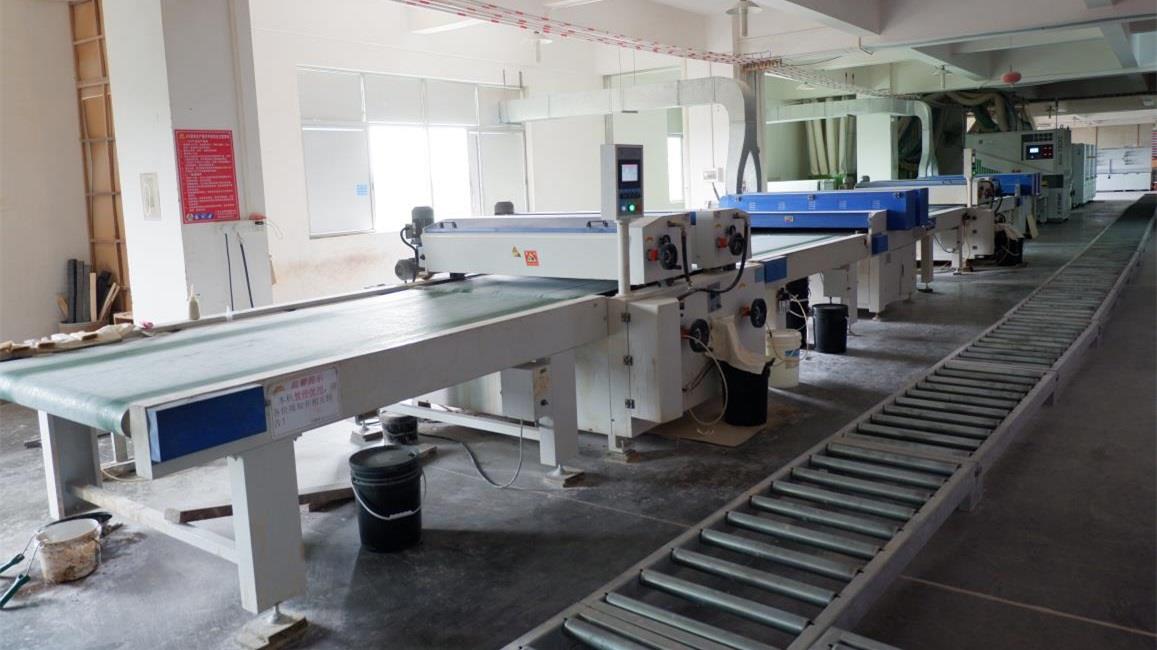
Automated eco-friendly UV curing coating lines protect surface finishes against extreme weather conditions.
Structuring entry systems to withstand diverse geographic, environmental, and security requirements.
Procuring exterior doors requires looking beyond simple aesthetic appeal. Different regional building regulations demand distinct mechanical profiles:
Coastal markets such as Florida (Miami-Dade county guidelines) and the Caribbean demand heavy-duty structural reinforcement, impact-resistant tempered glass, and wind-load certificates. Large-format pivot entry systems must utilize high-grade aluminum frame profiles to resist atmospheric corrosion and pressure differentials.
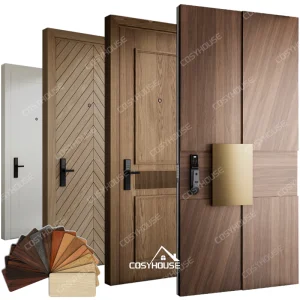
For apartments and hotels, acoustic insulation and fire performance are critical. Incorporating MDF, WPC, or composite wood structures with high-density rock wool or soundproof acoustic membranes ensures occupant comfort while complying with building fire regulations.
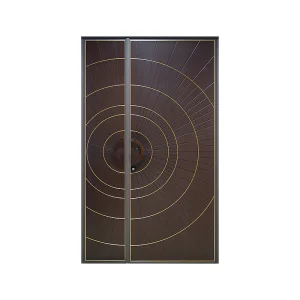
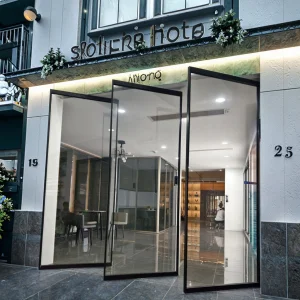
Grand entrances call for oversized structures, often featuring high-end wood grain veneer or double-entry aluminum layouts. The integration of motorized lockboxes and dynamic smart glass (changing transparency on electrical current triggers) allows for striking visual statements paired with modern access control.
B2B buyers in regions like Northern Europe or the Middle East require high thermal efficiency. Standard metal doors without thermal breaks will sweat or warp. Specialized insulated steel armored doors prevent thermal transfer and retain structural integrity under extreme temperature swings.
Quick reference guide matching specific project types to optimal product configurations and material specs.
| Application Scenario | Material Core Specification | Recommended Entry Tech | Compliance Target | Optimal Product Option |
|---|---|---|---|---|
| High-End Private Villa | Aluminum Profile + Tempered Smart Glass | 3D Facial Scanning + Remote Control IP camera | NFRC / CE Approval | Premium Smart Glass Pivot Entry Door |
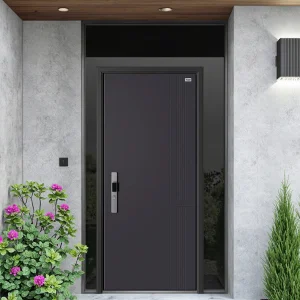
| Multi-Family Residential Apartments | Solid Core MDF/WPC Composite + Anti-Theft Armor | RFID Card + Digital PIN + Mechanical Override | Acoustic (up to 42dB) + UL 10C Fire Rating | Armored Anti-Theft Minimalist Door |
| Coastal Coastal Estates | Reinforced Galvanized Steel + Moisture-proof seals | Frictionless Access Control + Bluetooth Integration | Miami-Dade Impact Rating | Florida Approved Tempered Glass Pivot Door |
| Hotel Suite Main Intrusions | Wood veneer Melamine + MDF Composite core | Keycard integration compatible with central BMS | EN 1634 Fire rating / 30-min retardant | China Hotel Melamine Composite Swing Door |
| Severe Weather Regions | Thermal-Break Steel Frame + Polyurethane foam | Bio-metric fingerprint reader with solar reserve | High Thermal insulation (U-value < 1.0) | Bulletproof Armored Steel Entrance Door |
Addressing core concerns regarding smart access integration, structural compliance, and China-based procurement logistics.
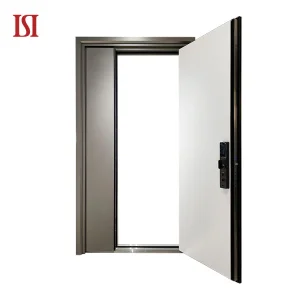
Explore heavy-duty armored configurations, bulletproof steel variants, and large modern pivot layouts for industrial and residential applications.
 Larsom Door