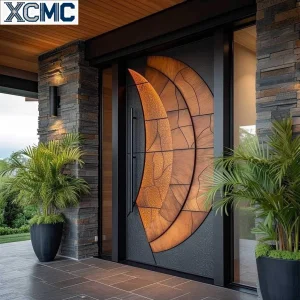
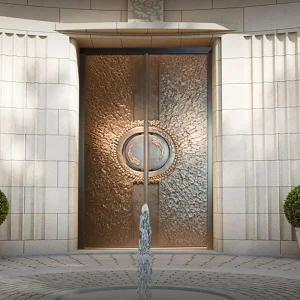
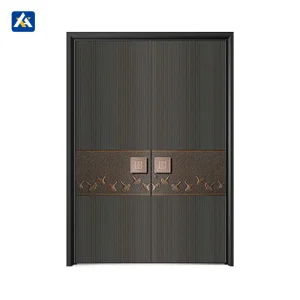
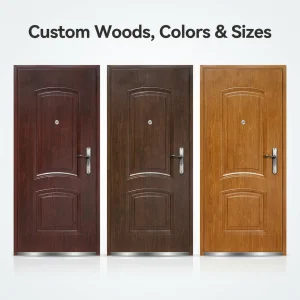
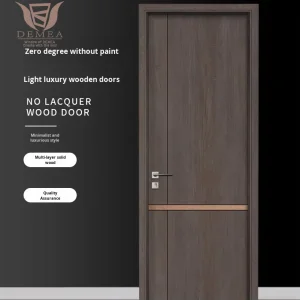
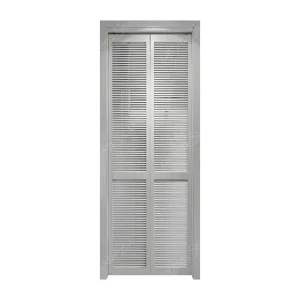
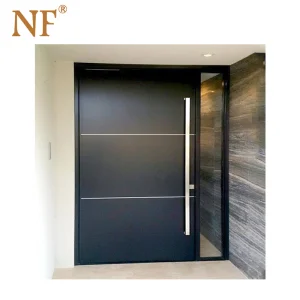
Engineered structural wood-composite, hybrid aluminum-wood profiles, and precision security architectural entry systems customized for commercial projects and luxury villas.
In the contemporary building sector, the push for LEED (Leadership in Energy and Environmental Design) and BREEAM certifications has transformed procurement frameworks. Standard solid timber, though natural, presents severe limitations in stability, fire retardancy, and moisture resistance under variable climate conditions. Furthermore, intensive timber sourcing conflicts with global deforestation mitigation plans.
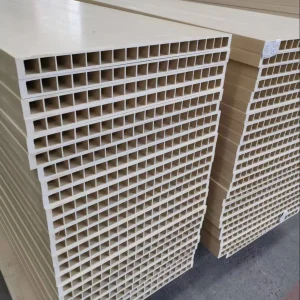
Chinese manufacturers have responded by pioneering structural Wood-Plastic Composites (WPC) and bio-polymer composite formulations that integrate up to 60-70% reclaimed wood flour with eco-friendly thermoplastic matrices. By optimizing raw material inputs, factories like Zhejiang Larsom Door Co., Ltd. achieve significant resource conservation while delivering a product that exhibits zero warp, excellent thermal barrier properties, and superior durability compared to raw lumber.
"Sustainable wood composite engineering represents the convergence of high-molecular polymer science and reclaimed wood processing, providing developers with zero-deforestation, weather-resistant solutions that meet rigorous modern building energy codes."
These advanced composite systems prevent volatile organic compound (VOC) emissions through zero-formaldehyde adhesive technologies, aligning perfectly with strict indoor air quality (IAQ) regulations in North America and Western Europe.
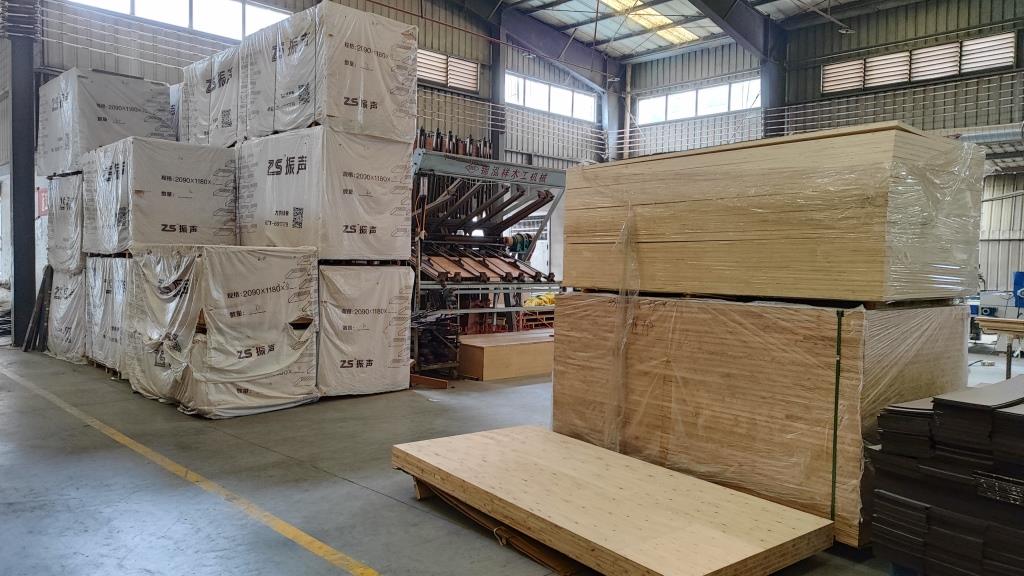
Industrial Capabilities & Global Distribution Infrastructure
A premier manufacturer specializing in the research, development, production, and global sales of high-quality security doors, armored doors, steel-wood doors, and customized entry solutions.
Architectural performance metrics configured to meet modern engineering standards.
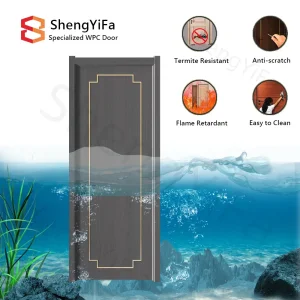
Unlike conventional organic timber, polymer-bound wood composite does not undergo hygroscopic expansion. This ensures full functional clearance and seal integrity in high-humidity zones like bathrooms, kitchens, and tropical coastal regions.
Engineered composites incorporate proprietary flame-inhibiting additives. The material stops flame propagation upon removal of the ignition source and produces low smoke density, meeting European fire safety criteria EN 13501-1.
Using multi-chamber profiles, rigid dense mineral wool cores, and perimeter acoustic seals, our composite doors deliver a Sound Transmission Class (STC) rating of 38dB or higher, ensuring acoustic privacy in hotels, apartments, and offices.
How we achieve precision engineering across 16,000 square meters of production space
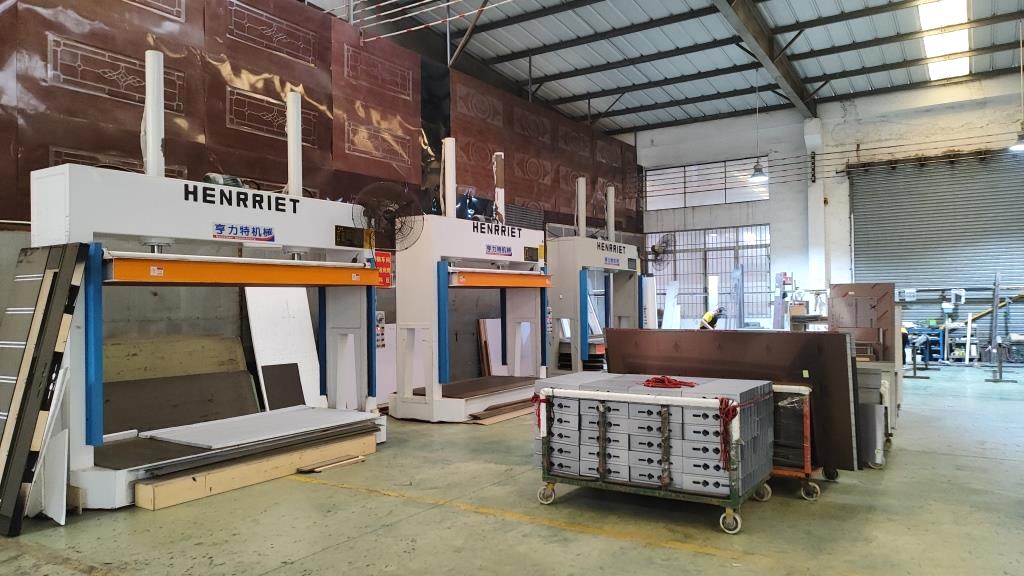
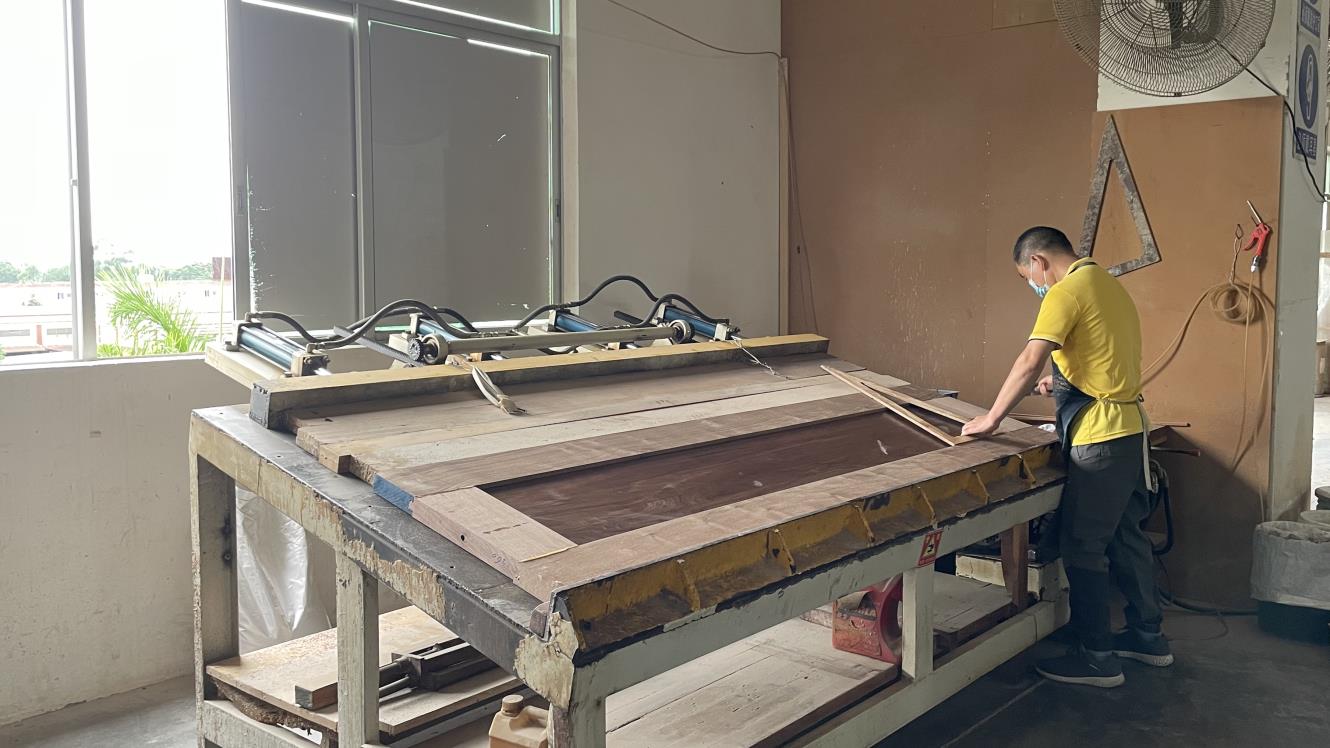
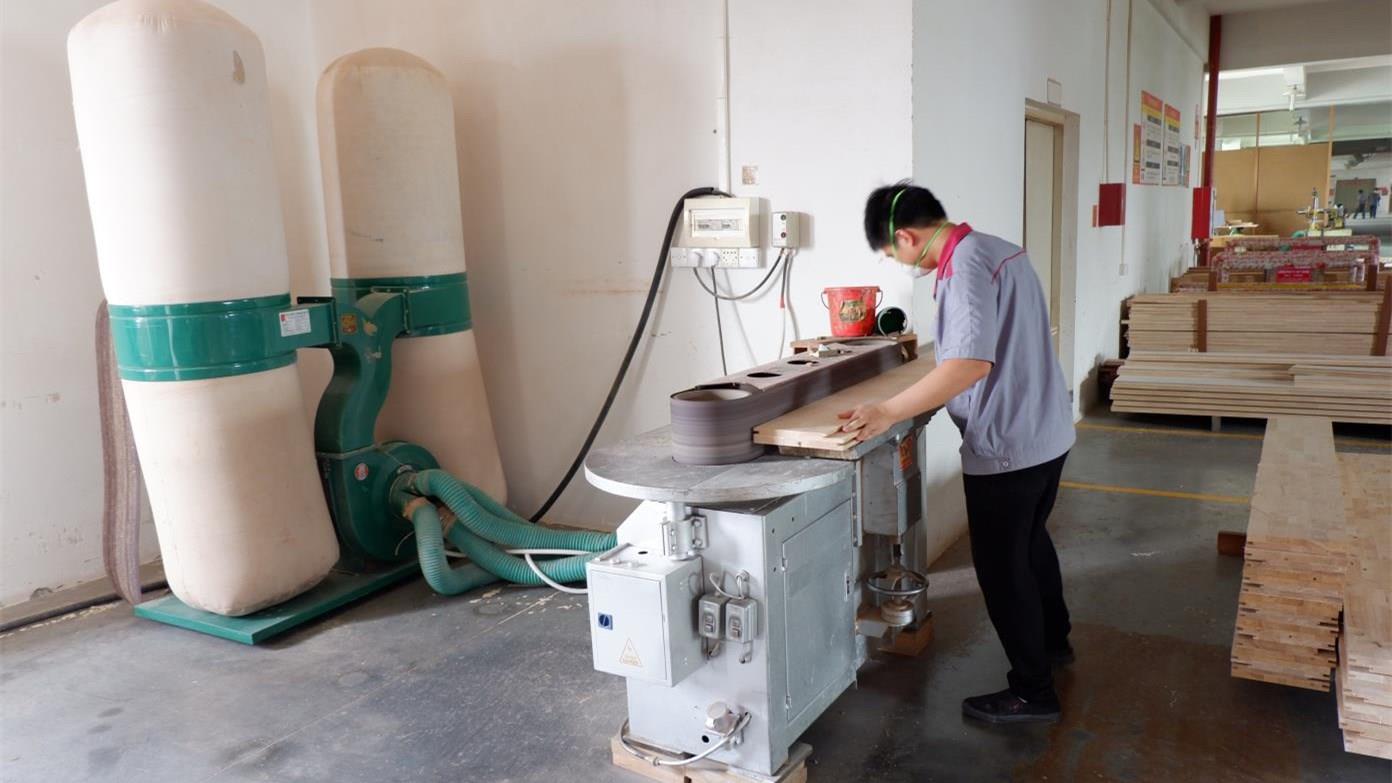
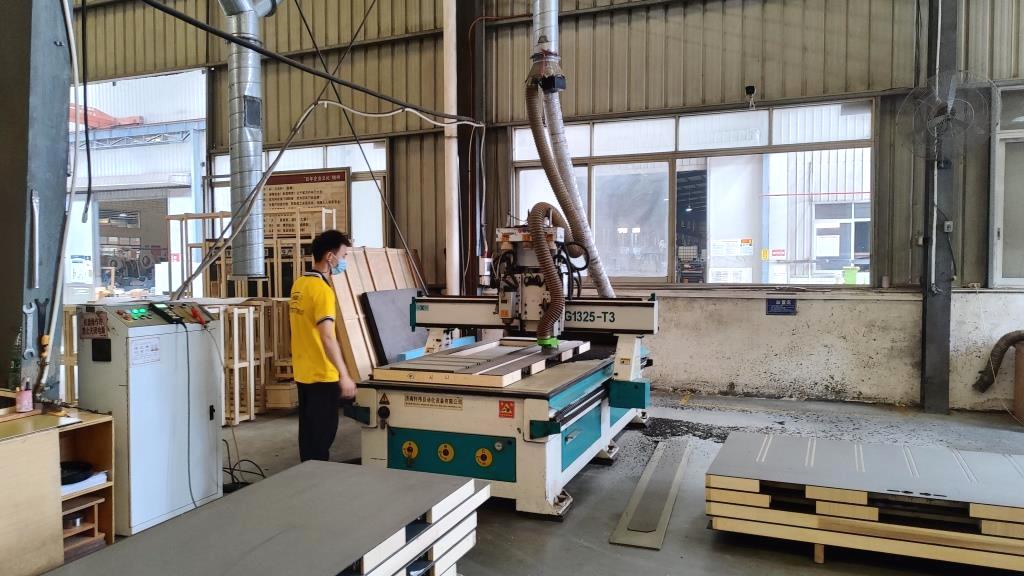
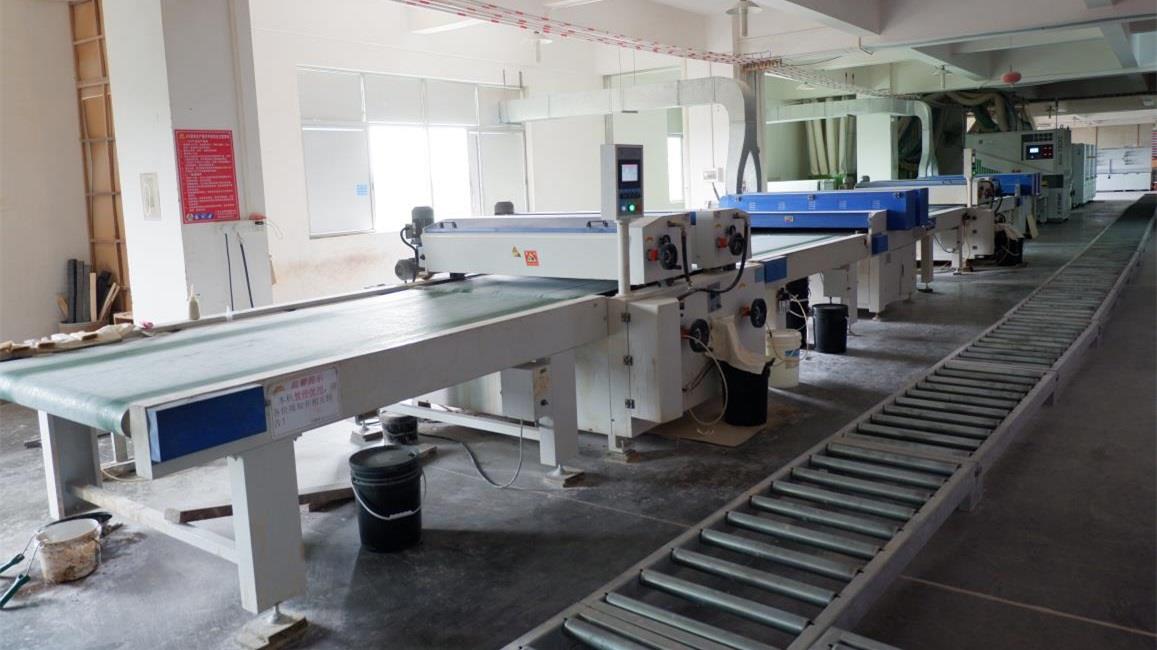
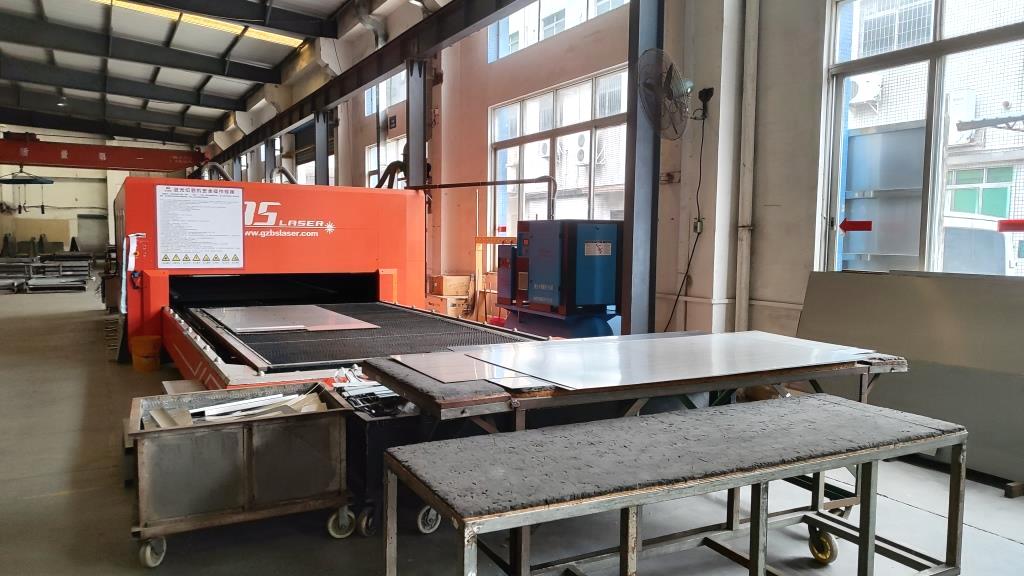
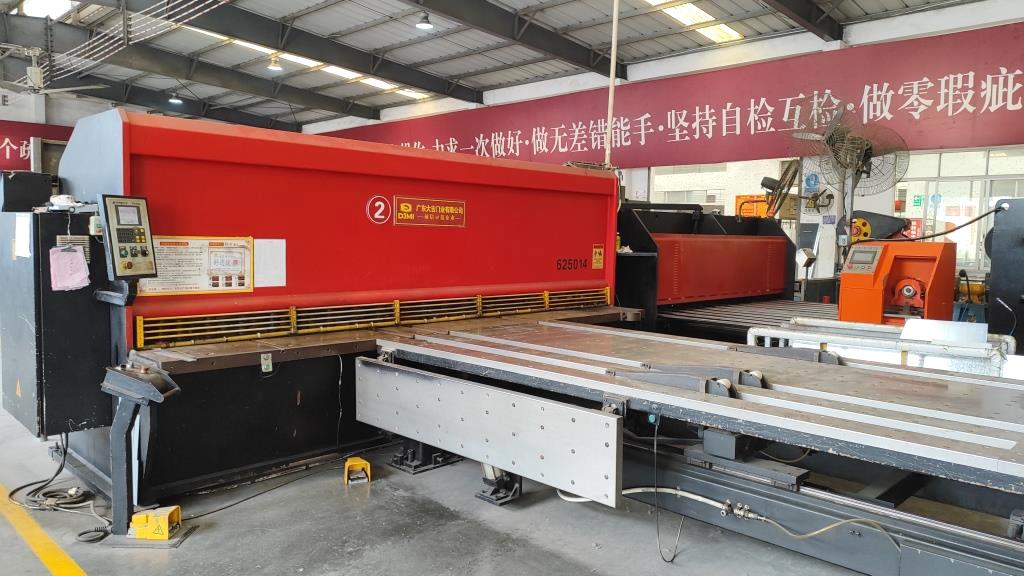
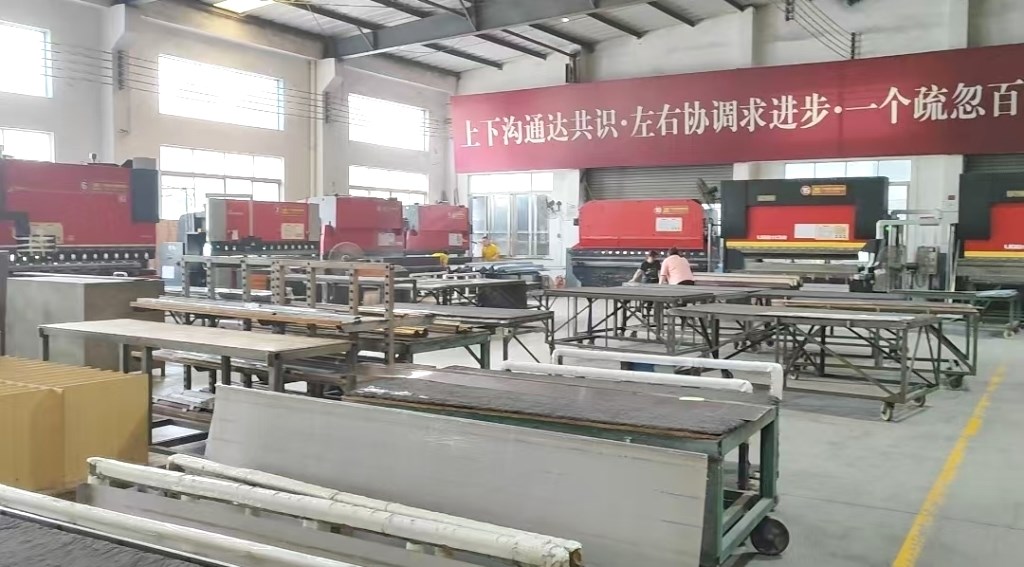
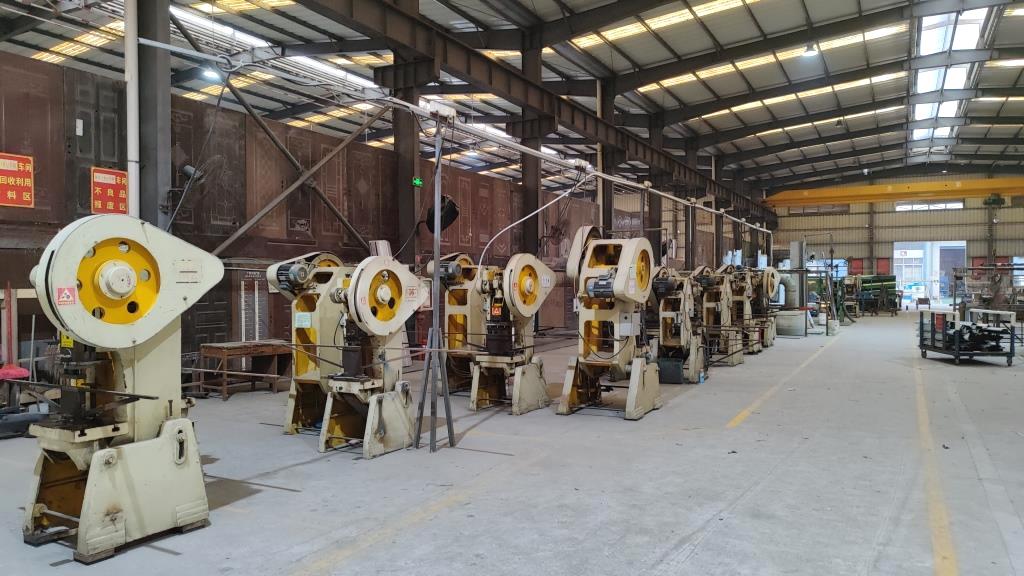
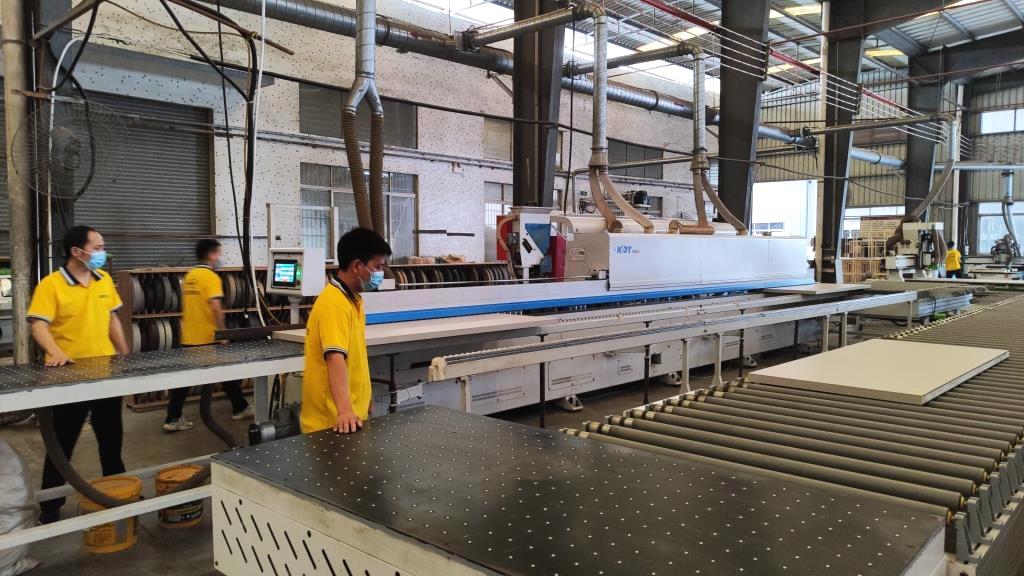
Tailored engineering and architectural configurations matching local climatic parameters and structural codes.
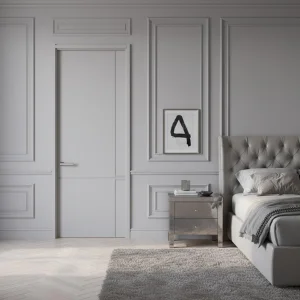
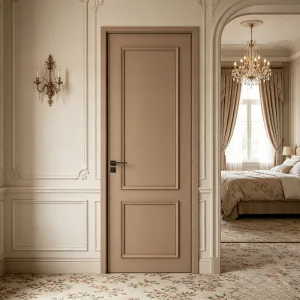
Heavy duty internal room flush wooden composite designs featuring double-seal soundproofing, hydraulic auto-closers, and fire-resistant cores designed for major international hotel chains.
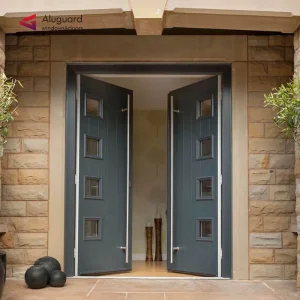
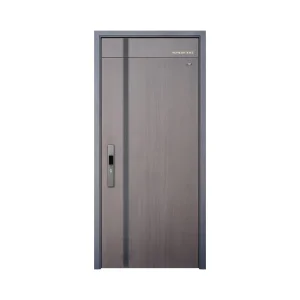
Hurricane-resistant entry doors fitted with internal reinforced structural steel subframes and marine-grade anti-corrosive aluminum-alloy outer claddings to withstand high wind loads and salt air oxidation.
WPC composite interior doors with sliding or push-pull configurations. Features 100% bio-based coatings that reduce ecological footprints, contributing to Net Zero building initiatives.
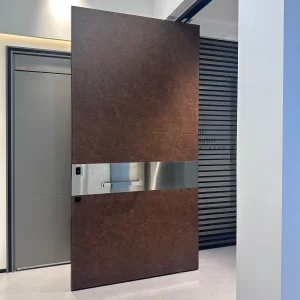
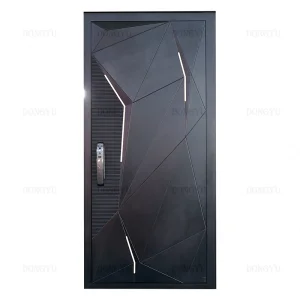
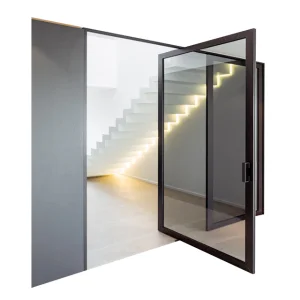
Engineered core frames, digital entry integration, and modular pivot mechanics optimized for modern properties.
Direct engineering answers answering the critical search intent of B2B buyers and structural designers.
The sustainability of wood composite doors is evaluated by their raw material sourcing and manufacturing methods. Quality assemblies use FSC-certified wood dust combined with post-consumer recycled polymers, diverting waste from landfills. High-quality production lines use zero-formaldehyde binders and organic UV-cured topcoats, keeping volatile organic compound (VOC) emissions within E0/E1 safety thresholds.
Solid wood is hygroscopic, meaning it absorbs ambient moisture and expands, leading to warping, splitting, and structural misalignment. In contrast, wood-plastic composites (WPC) encapsulate natural fibers in a polymer matrix, resulting in near-zero water absorption (often less than 0.5% after 24 hours of submersion). This prevents rot and structural swelling, making WPC doors ideal for humid climates, coastal zones, and wet areas.
Modern factories offer full design and functional customization. This includes custom dimensions for high-traffic entryways, internal steel framing for higher wind loads, acoustic rockwool infills for noise control, and custom surface finishes like CNC-etched designs or wood veneers. Hardware prep can also be configured to fit digital smart locks, exit bars, and automatic door operators.
Fire-rated composite doors undergo structural testing under standard thermal conditions to assess their integrity and insulation performance (e.g., BS 476, EN 1634, or UL 10C standards). Intumescent fire seals are embedded along the frame perimeter. In a fire, these seals expand to block smoke, hot gases, and heat transfer, keeping the door structurally sound for 30 to 120 minutes depending on the specification.
Large-scale export operations use specialized protective packaging, including high-density foam corners, PE wrapping film, and double-corrugated cardboard boxes, all shipped on heavy-duty pallets. Factories arrange sea freight from major Chinese ports, managing customs documentation to streamline delivery to builders and distributors worldwide.
 Larsom Door