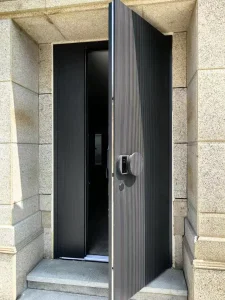
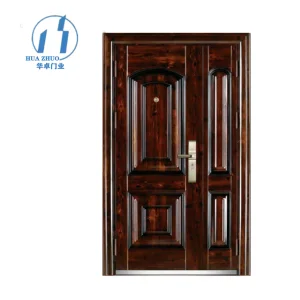
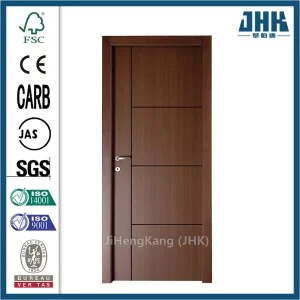
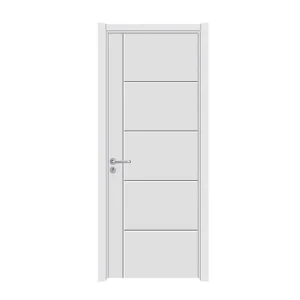
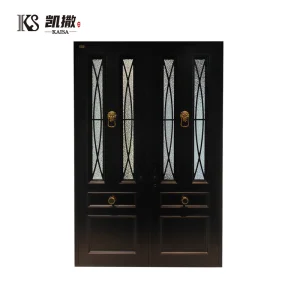
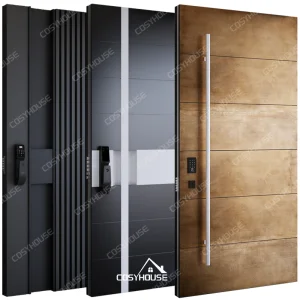
In modern high-performance architecture, specifying interior and exterior entryways requires balancing aesthetics with dimensional stability. Natural wood possesses unmatched biophilic appeal but is inherently hygroscopic. Without rigorous stabilization, wood fibers swell and contract under cyclical relative humidity, causing sliding mechanisms to bind, veneers to delaminate, and seals to fail. For commercial developments, luxury residential resorts, and institutional buildings, selecting a certified waterproof wooden sliding door manufacturer and supplier is not simply a sourcing activity; it is a critical step in risk mitigation.
Technical Focus: Fiber Saturation Point (FSP)
Wood behaves predictably until it drops below its Fiber Saturation Point (~25% to 30% moisture content). Once bound water in cell walls is lost or gained, volumetric change occurs. Premium manufacturers bypass this vulnerability using targeted material treatments: high-performance Wood-Plastic Composites (WPC), Polyvinyl Chloride (PVC) outer encapsulation, and high-density Melamine veneers bonded with polyurethane reactive (PUR) adhesives.
Specifying agencies and global procurement teams analyze wood doors based on their core engineering and surface treatments. Understanding the distinction between options ensures the chosen door aligns with the environmental challenges of the site. Below, we compare the primary architectural compositions utilized by leading manufacturers:
| Material Composition | Water Absorption Rate (24 hr immersion) | Primary Application Suitability | Dimensional Stability Index | Recommended Environment |
|---|---|---|---|---|
| Engineered WPC Core with PVC Lamination | < 0.5% | High-traffic bathrooms, coastal hotels, basements | Excellent (Zero warping) | Humid subtropical zones, high-steam rooms |
| Solid Wood Core + Hydrophobic Melamine Veneer | < 2.1% | Executive offices, premium residential entryways | Very High (Stable up to 85% RH) | Temperate interior divisions, low-ventilation suites |
| Thermal Modified Timber (TMT) | < 1.5% | External sliding partitions, patio boundaries | High (Resists rot and fungal decay) | Fluctuating exterior climates, marine environments |
| High-Density Fiberboard (HDF) with PUR Adhesives | < 3.0% | Multi-family interior residential projects | Standard (High surface impact resistance) | Controlled indoor HVAC climates |
The global building supply market relies heavily on Chinese door manufacturing hubs. The concentration of chemical engineering experts, advanced substrate factories, and highly automated hardware integration facilities in regions like Zhejiang creates a highly competitive ecosystem. Chinese factories provide distinct advantages for large-scale developments:
From core extrusion (WPC/PVC processing) to custom hardware milling and electrostatic UV finishing, the entire production workflow takes place under one roof. This minimizes handling damage and reduces turnaround times.
Utilizing advanced CNC routers, laser cutting machines, and automatic hot-pressing systems ensures dimensional tolerances remain within ±0.5mm, meeting strict building specifications.
Robust OEM/ODM setups enable custom surface grooves, fire-rated core configurations, acoustic insulation dampening, and compliance with certifications like ISO9001, CE, and FSC.
Zhejiang Larsom Door Co., Ltd. is a professional manufacturer specializing in the research, development, production, and global sales of high-quality security doors, armored doors, steel-wood doors, and customized entrance door solutions.
Since its establishment, Larsom Door has been committed to providing customers around the world with safe, durable, and stylish door products. Today, the company operates a modern manufacturing facility covering more than 16,000 square meters, supported by an experienced team of over 160 skilled employees. With advanced production management and efficient manufacturing systems, our daily production capacity exceeds 200 sets of premium doors, enabling us to meet both large-scale projects and customized orders with reliable delivery.
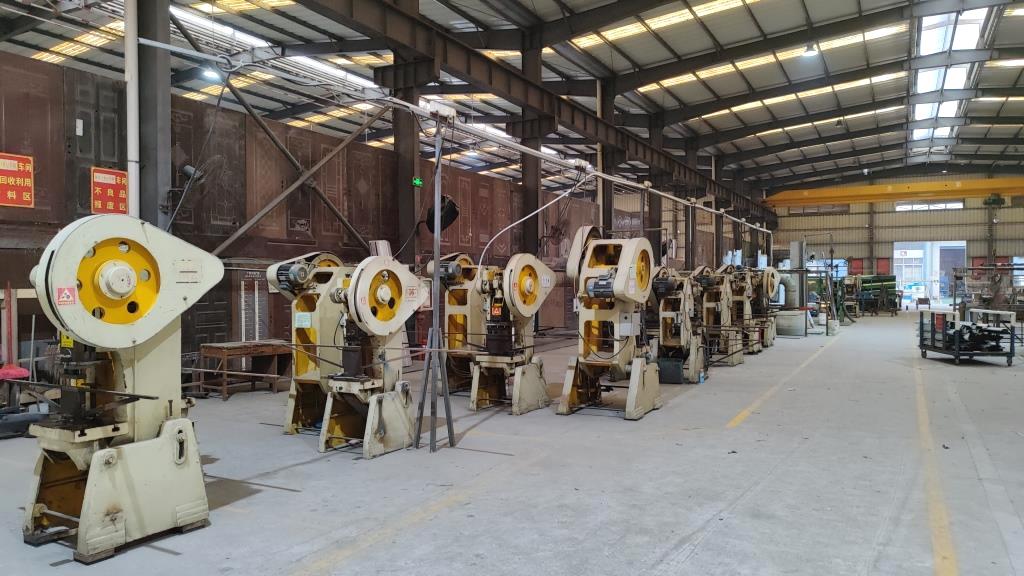
To continuously improve product quality and manufacturing efficiency, Larsom Door has invested heavily in advanced automated production equipment, including CNC laser cutting machines, CNC bending machines, automatic welding systems, high-speed turret punching machines, automatic sanding machines, and modern powder coating production lines. These advanced facilities, combined with strict quality control procedures, ensure that every door meets international quality standards.
Quality is the foundation of our business. Larsom Door strictly implements comprehensive quality management throughout every production process, from raw material selection to final inspection. Our products comply with international quality standards and have earned an excellent reputation among customers worldwide.
Today, Larsom Door exports its products to more than 130 countries and regions, including Europe, the Middle East, Africa, South America, Southeast Asia, and Central Asia. Our major customers include building contractors, real estate developers, wholesalers, distributors, and importers. With rich experience in OEM and ODM manufacturing, we provide flexible solutions for customers seeking customized branding and product development.
Guided by the philosophy of "Quality First, Customer Foremost, Innovation for the Future," Zhejiang Larsom Door Co., Ltd. continues to improve its manufacturing capabilities, expand its international market presence, and build long-term partnerships with customers around the world.
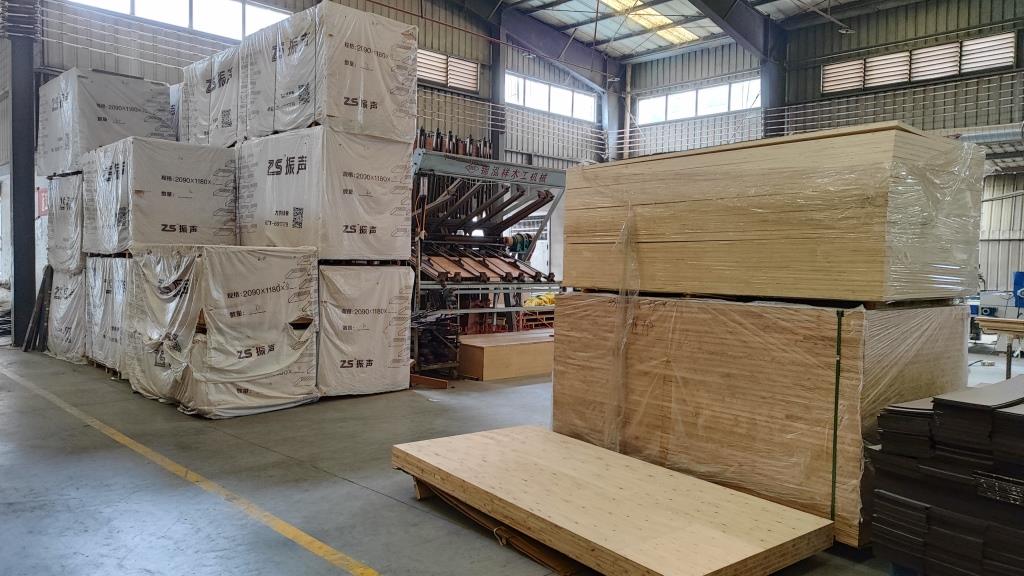
Our facility leverages structured workstations to construct each door, ensuring consistent structural integrity and fine surface finishes. Here is an inside look at our manufacturing workflow:
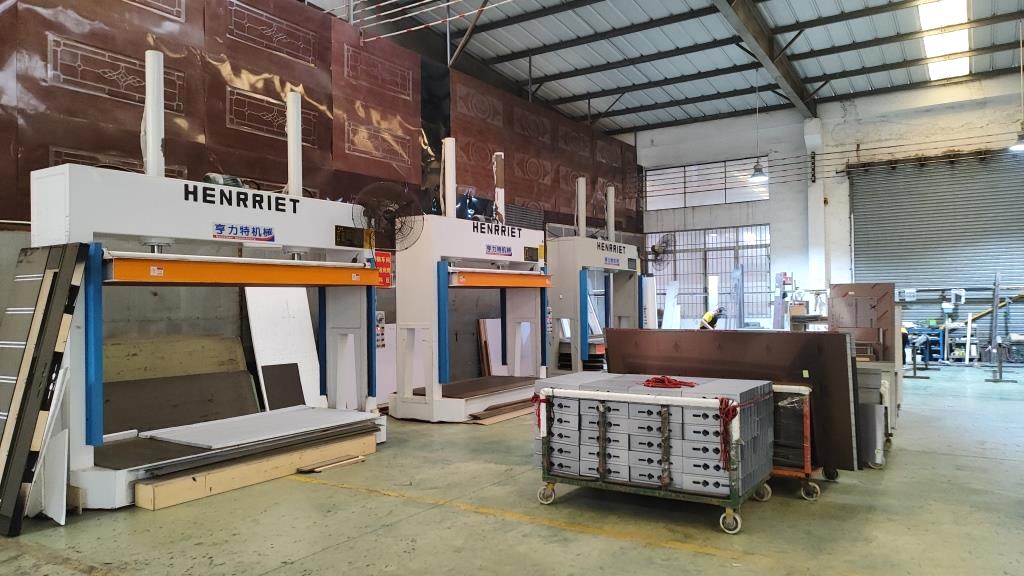
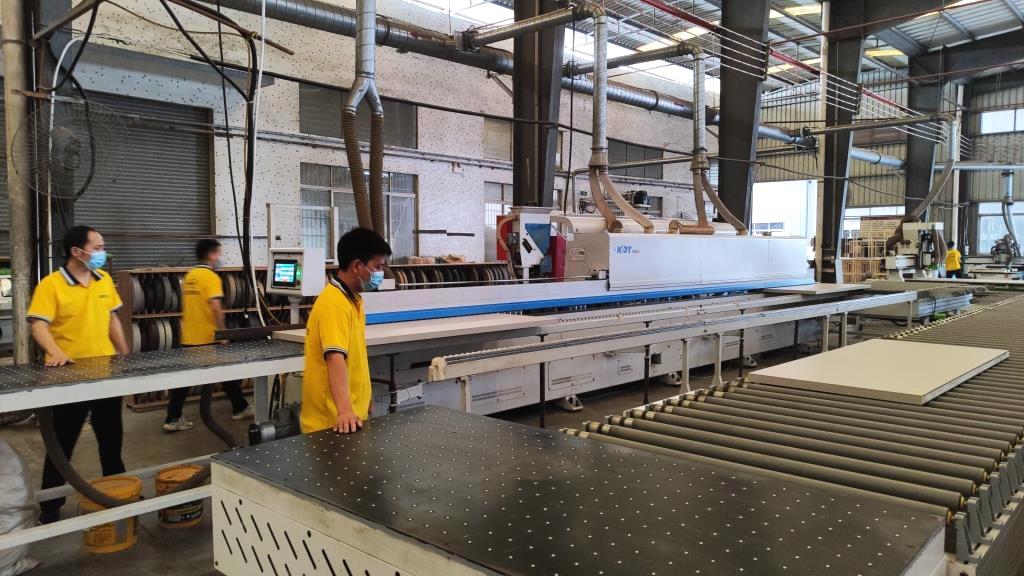
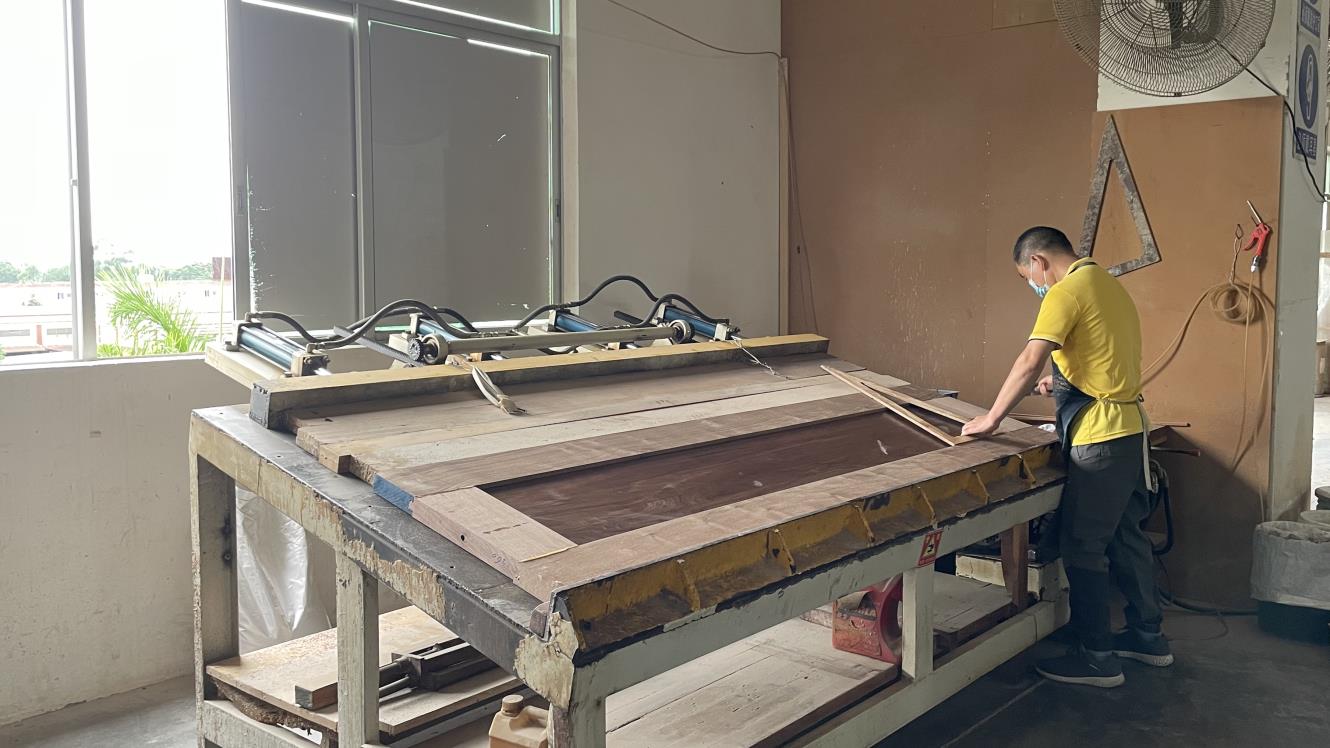
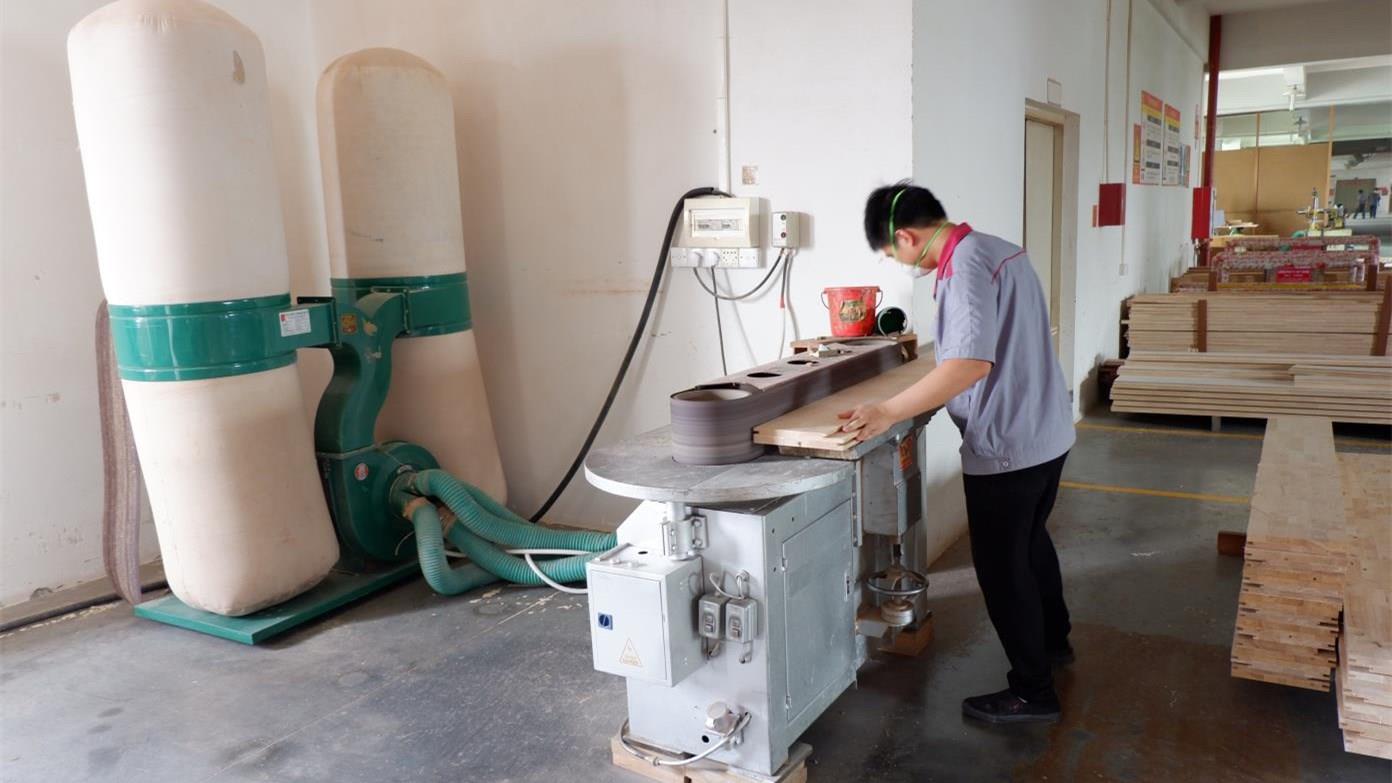
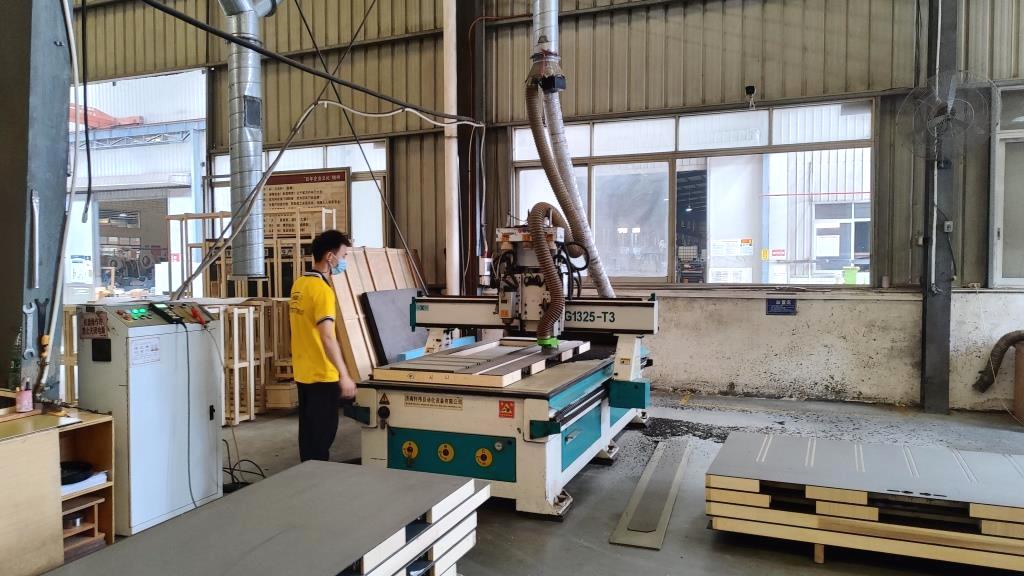
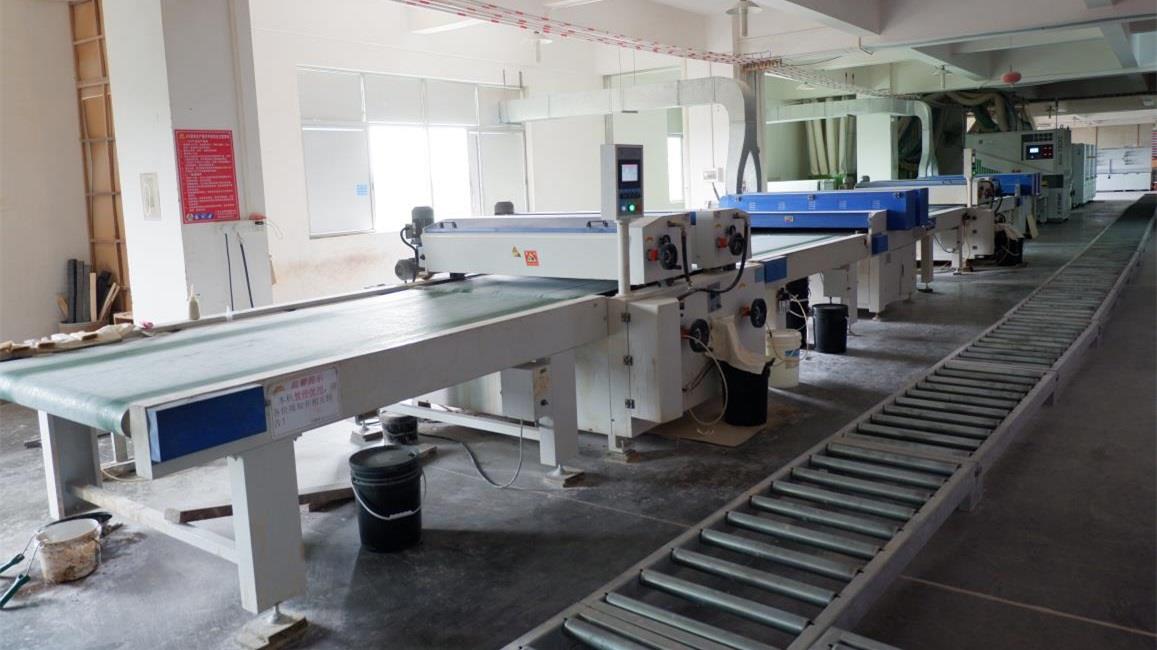
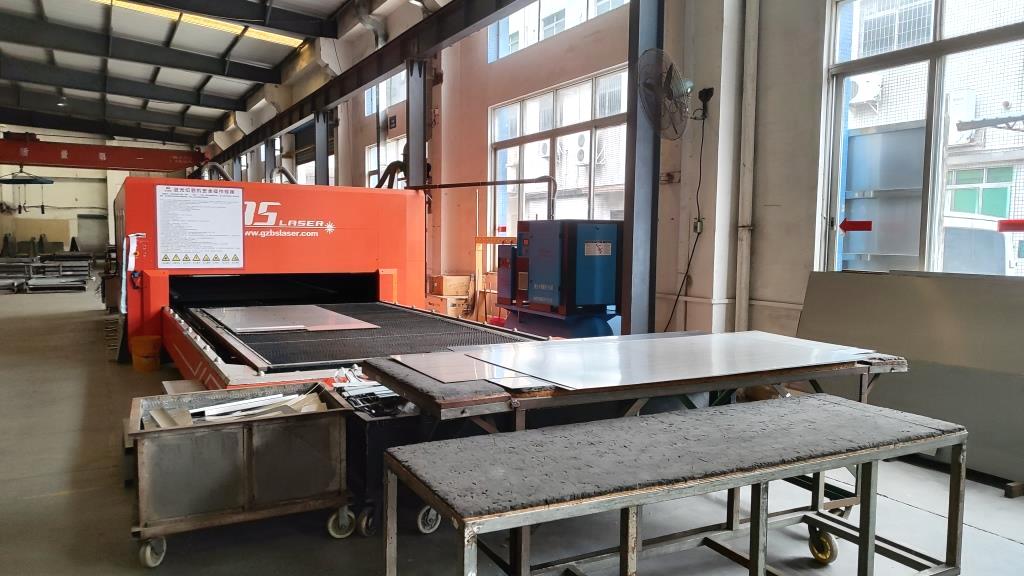
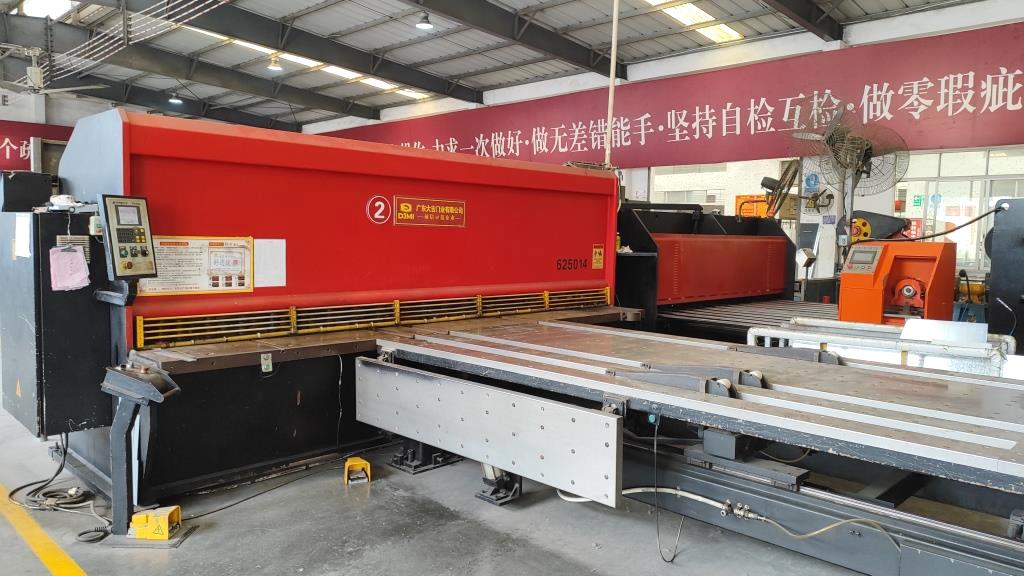
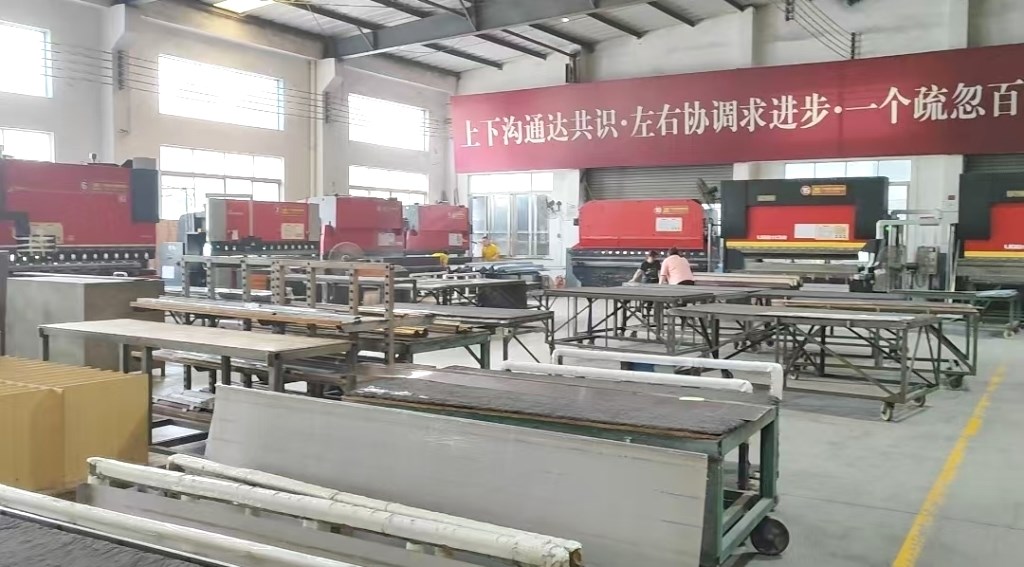
High-capacity hydraulic punching systems process lockset channels and hinge mounting pockets with automated alignment tools, ensuring simple field assembly for the builder.
Different commercial developments demand varied structural profiles. Identifying the exact application profile is critical for successful long-term operation. Below are the core applications where moisture-resistant sliding doors solve key architectural challenges:
Acoustic performance (up to 42dB Rw) paired with WPC/PVC structural cores. These assemblies prevent warm, humid bathroom air from warping the main entrance sliding partitions, protecting room layout aesthetics and functional ease.
High-performance sliding doors facing ocean breeze exposures. The materials are treated to resist salt spray, high humidity, and solar UV exposure, keeping the door smooth, operational, and visually pristine.
Designed for indoor pools, spa changing zones, and treatment rooms. Features impact-resistant melamine veneers and anti-bacterial coatings that withstand constant steam and industrial sanitizers without staining.
Purchasing at scale for commercial properties requires systematic verification. B2B procurement officers should prioritize the following verification parameters:
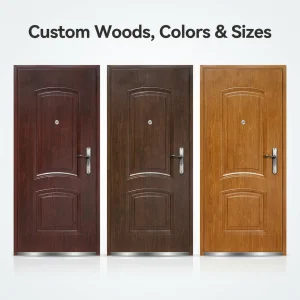
 Larsom Door