High-durability structural systems customizable to strict acoustic, safety, and fire-resistant parameters.
An authoritative analysis of high-pressure melamine chemistry, composition parameters, and industrial supply dynamics.
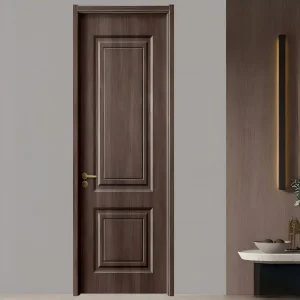
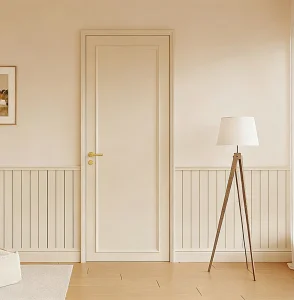
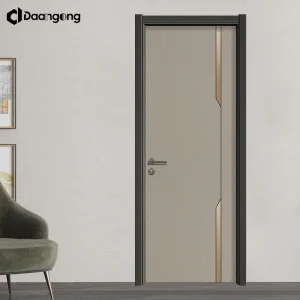
In the modern commercial, industrial, and high-density residential construction landscapes, architectural doors must bridge the gap between aesthetic excellence and cost-efficiency. Melamine Faced Composite Doors (MFCDs) represent a pinnacle of materials science in this sector. By utilizing thermosetting resin-impregnated paper (melamine) thermally fused onto premium density fiberboards (MDF or HDF) and backed by engineered composite cores, these doors provide unmatched structural integrity, resistance to wear, and consistent surfaces.
Unlike raw timber or traditional wood veneers that are highly sensitive to thermal dynamics, ambient humidity shifts, and mechanical impacts, melamine surfaces are chemically inert. They offer non-porous barriers against solvents, moisture ingress, and thermal degradation. This makes them highly suitable for intensive multi-family residential complexes, hospitality corridors, health facilities, and smart workspaces.
The superior durability of an MFCD depends heavily on its internal cross-sectional configuration. While the surface layer (melamine) provides high scratch, UV, and impact resistance, the door's mechanical properties, deflection limit (warpage resistance), thermal insulation, and sound attenuation are governed by the substrate and core materials:
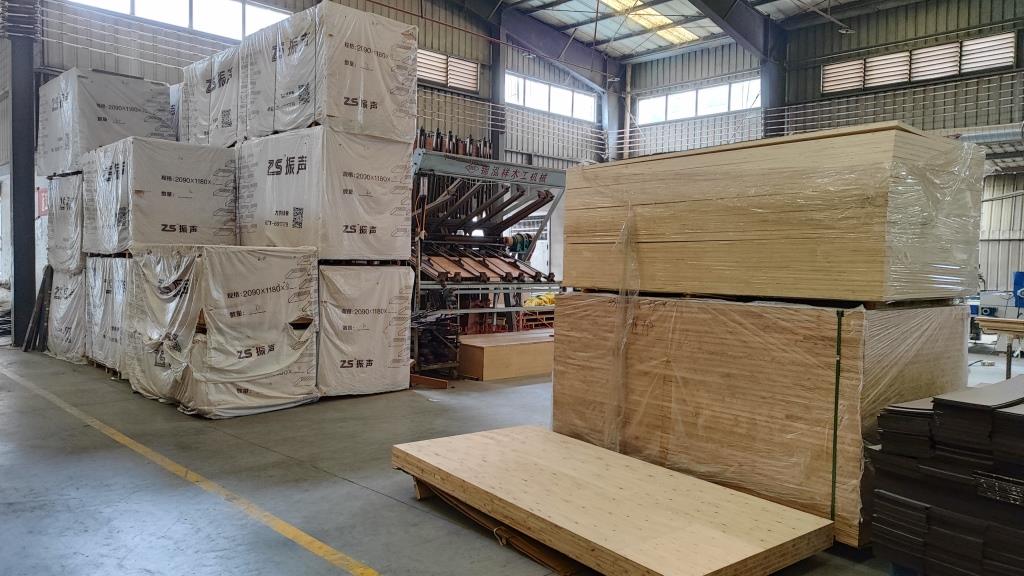
HDF vs. MDF Substrate Plates: The outer skin of Larsom's composite doors relies on high-density fiberboard (HDF) engineered with density ratings exceeding 800 kg/m³ or medium-density fiberboard (MDF) with ratings between 650–800 kg/m³. HDF layers yield excellent puncture resistance and a flatter plane for the thermal fusion process.
Core Structural Matrix Options: Larsom provides custom core configurations to match project target costs and building regulations:
| Performance Criterion | Melamine Faced Composite Door (MFCD) | Natural Wood Veneer Door | Solid Timber Door |
|---|---|---|---|
| Surface Hardness (EN 438-2) | Excellent (≥ 4.0 N Scratch Rating) | Moderate (Scratches easily) | Low-Moderate (Depends on wood type) |
| Moisture Absorption Coefficient | < 0.5% (Melamine sealed face) | Moderate to High (Requires resealing) | High (prone to swelling/shrinkage) |
| VOC Emissions (EN 717-1) | Ultra-Low / E1 or E0 Compliant | Low (Subject to top coat finishing) | Minimal (But susceptible to finishes) |
| UV Degradation Resistance | Grade 6+ (Does not discolor) | Yellowing over time (UV sensitive) | Significant fading and aging |
| Acoustic Rating (STC) | 28dB - 42dB (Highly customizable) | 25dB - 35dB | 30dB - 38dB |
Founded as a premium manufacturer in Zhejiang's manufacturing corridor, Zhejiang Larsom Door Co., Ltd. has expanded into a global production hub. With an operating facility spanning 16,000 square meters and powered by over 160 specialized technicians and managers, Larsom has integrated vertical supply capabilities that ensure precise control over lead times and quality parameters.
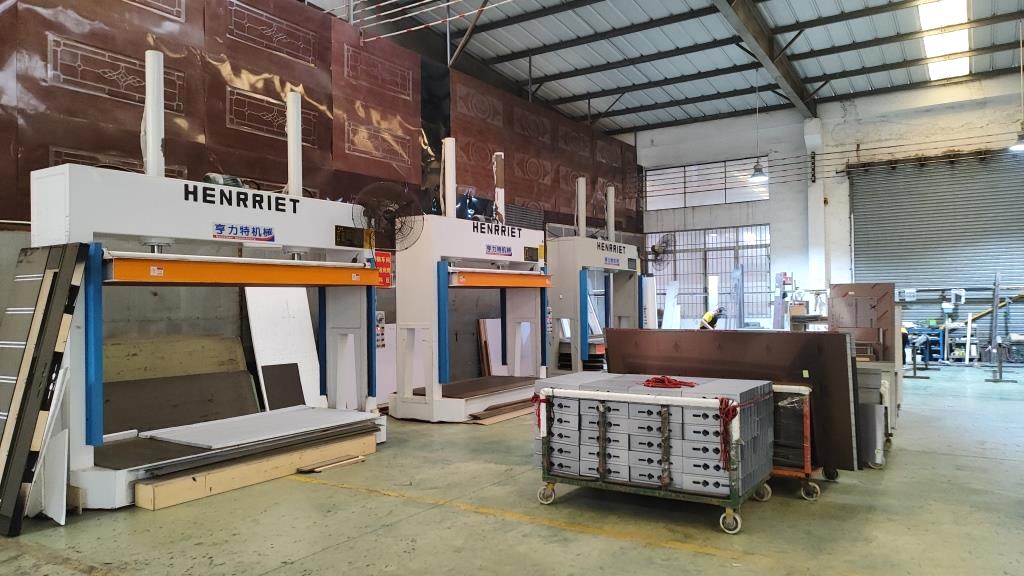
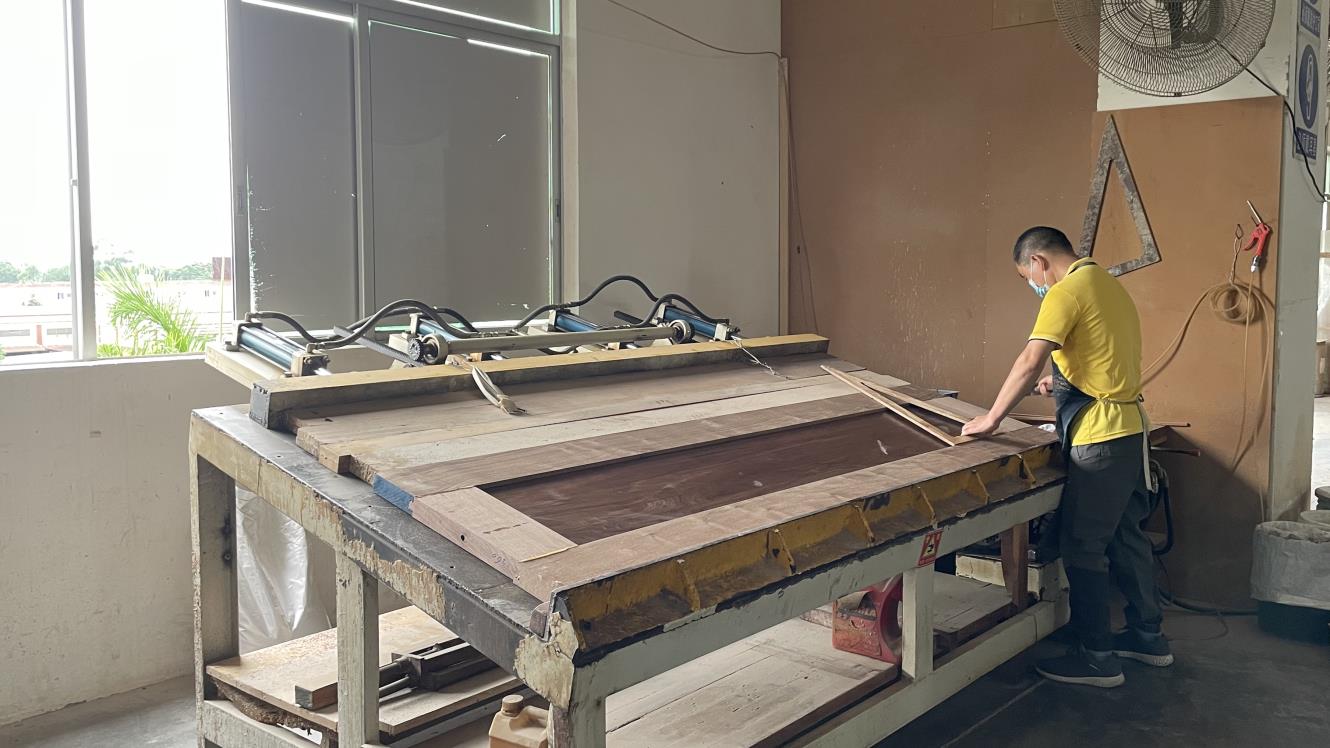
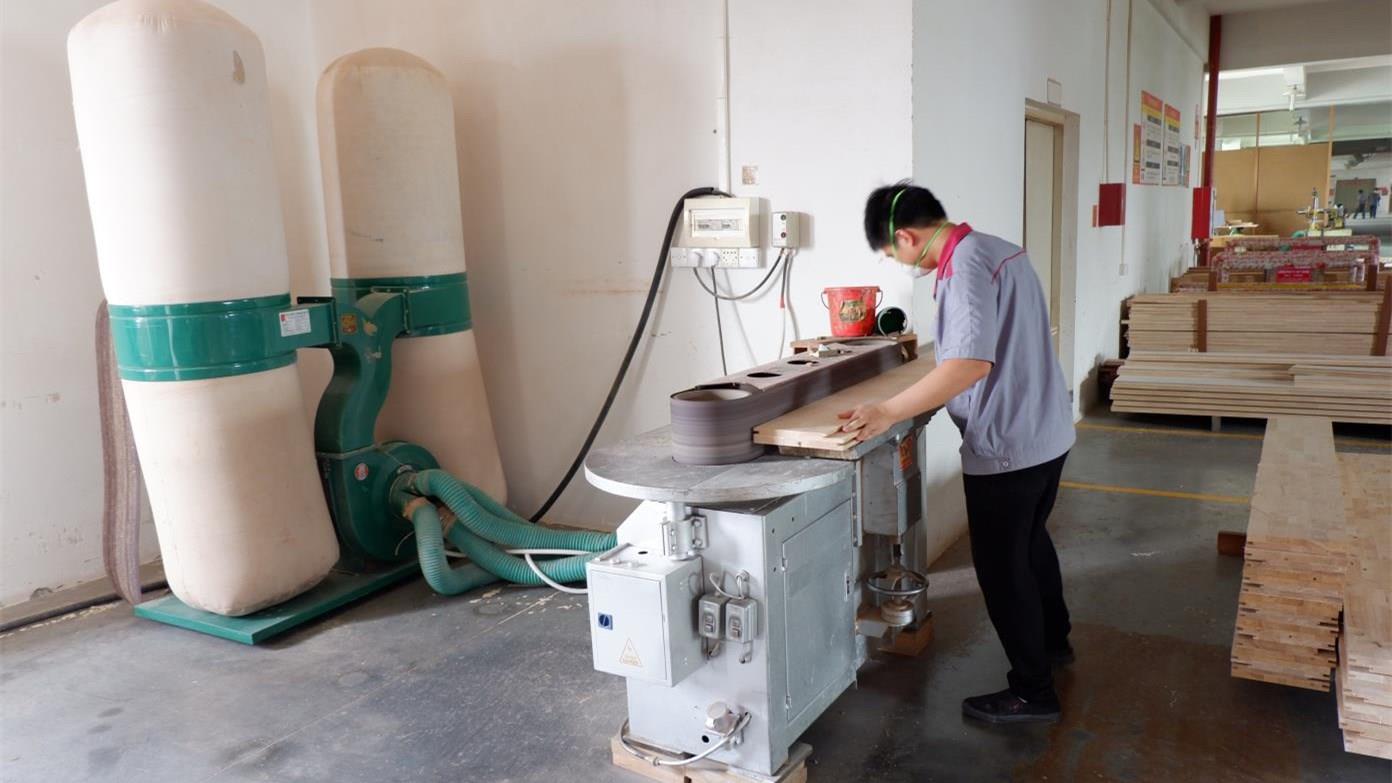
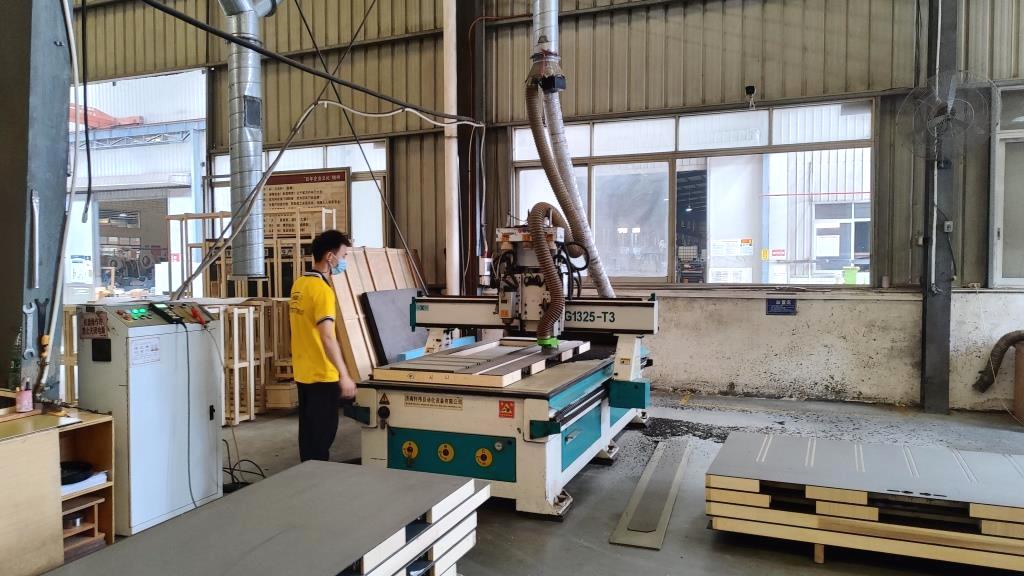
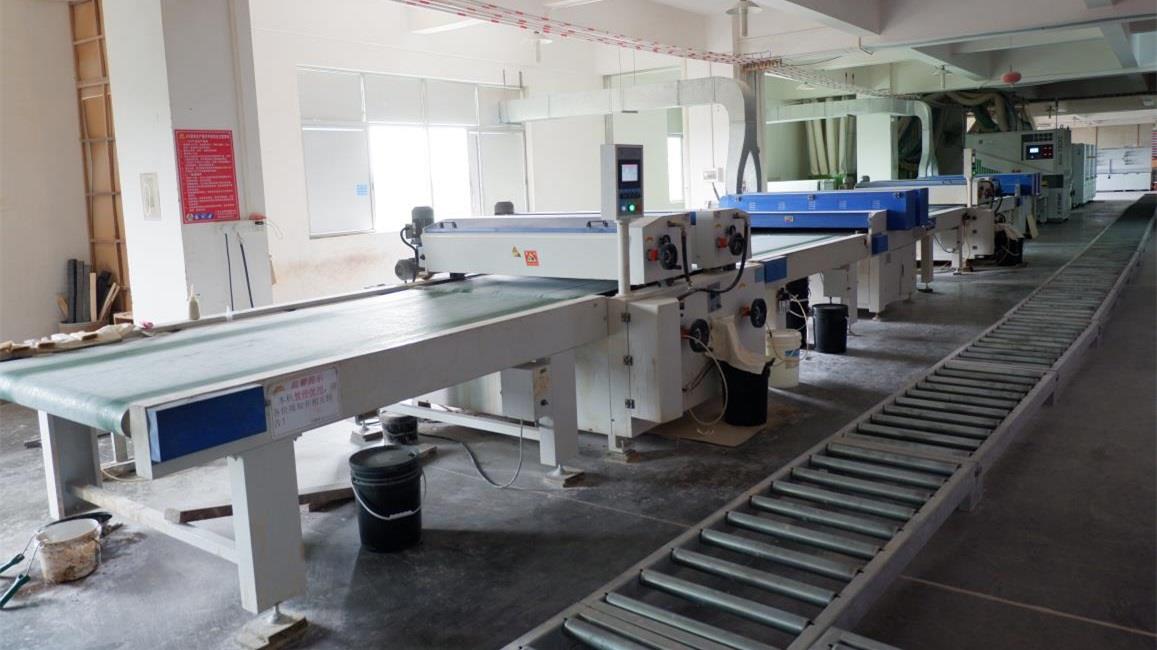
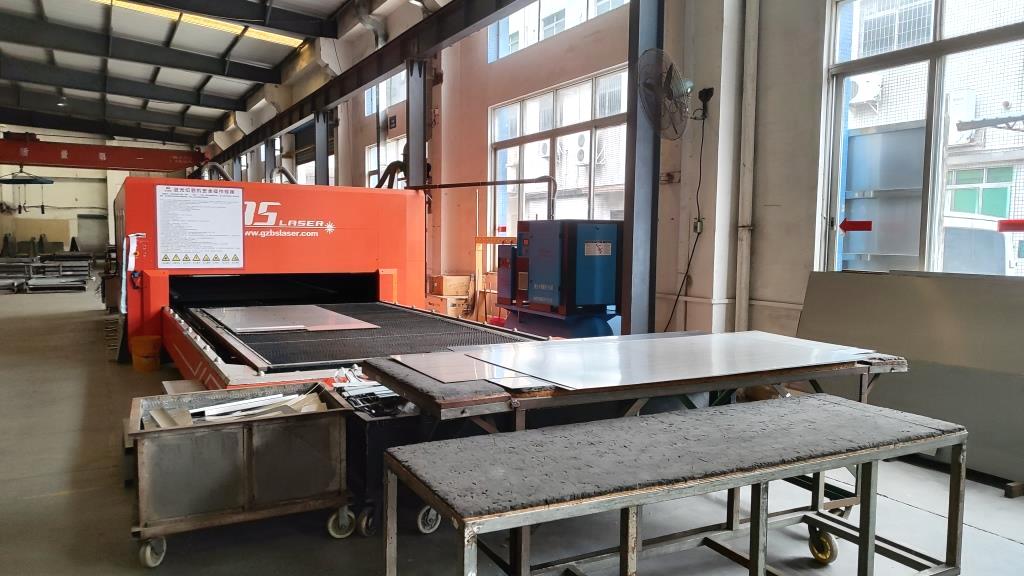
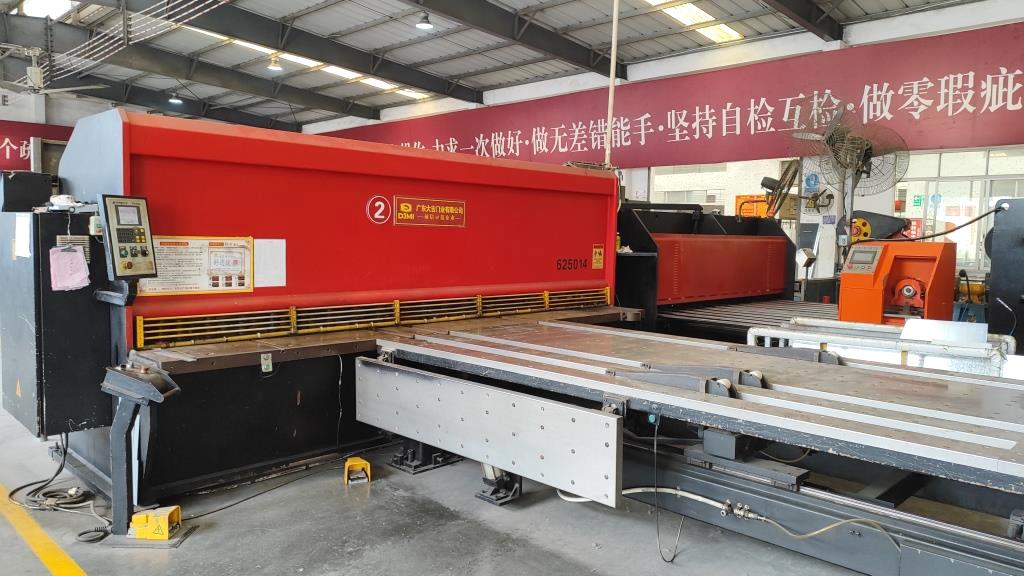
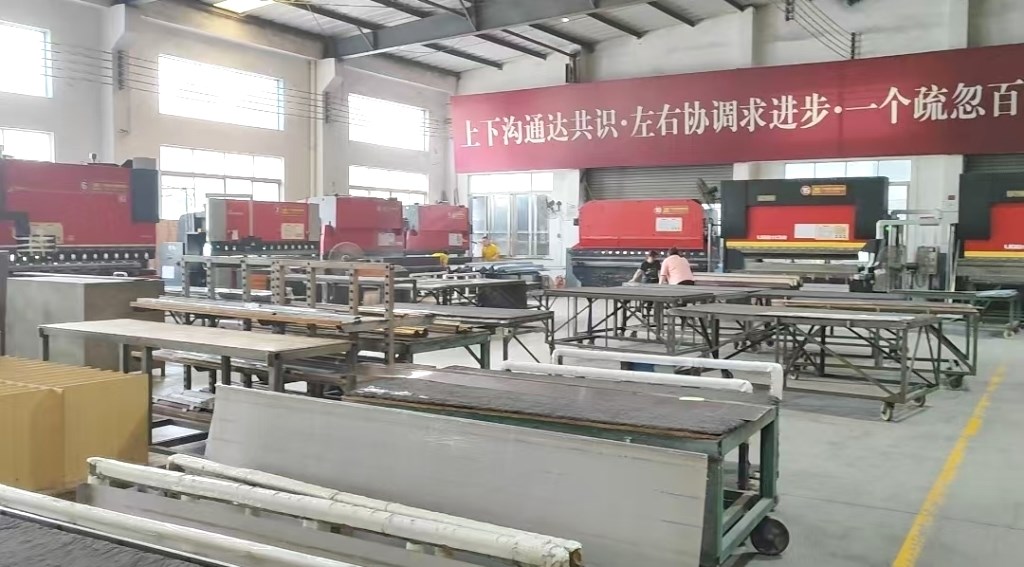
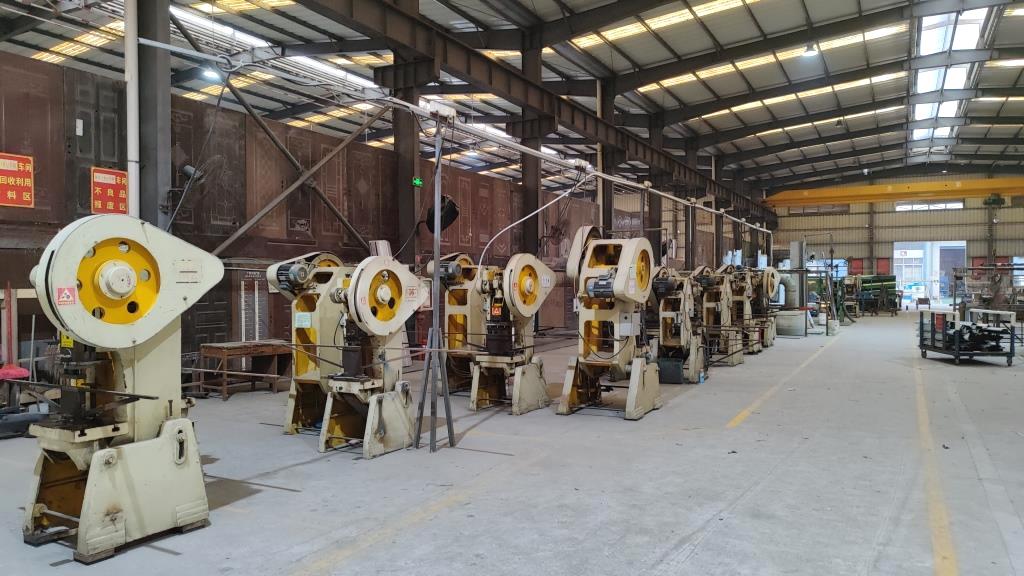
Our manufacturing line includes advanced automated engineering tools: high-precision CNC laser cutting systems, multi-point CNC bending machines, automated frame-welding stations, high-speed turret punches, automated surface sanding systems, and multi-stage cleanroom UV coating lines. This enables us to maintain a daily output of more than 200 high-performance doors, meeting the scale requirements of large-scale commercial contracts and custom residential orders.
Take a virtual walk-through of our industrial assembly line, showcasing how raw composite boards and metals are shaped into finished products.
The application of Melamine Faced Composite Doors extends across various vertical sectors, driven by their versatile properties and structural durability:
Hospitality & Hotel Developments: Sound dampening is a primary requirement for guest rooms. By incorporating acoustic mineral wool or bridge-hole cores into Larsom’s composite doors, developers can meet target sound insulation performance (STC ratings of 35dB and above) while offering scratch-resistant melamine patterns that stand up to luggage impacts and cleaning carts.
High-Density Residential Real Estate: Multi-family housing projects require consistent, scalable door products. Melamine-faced doors deliver matching wood grain textures across thousands of individual apartments without the natural grain variations and imperfections of real veneers.
Healthcare Facilities: Medical corridors require surfaces that tolerate harsh sanitizers. Melamine’s cross-linked surface layer prevents biological growth and withstands frequent cleaning with hospital-grade disinfectants.
Zhejiang Larsom Door Co., Ltd. maintains a strong focus on compliance, ensuring our products meet international market entry requirements. Our composite doors undergo testing to verify key parameters:
Having exported to more than 130 countries and regions—including Europe, the Middle East, Africa, South America, and Central Asia—Larsom’s engineering and manufacturing teams understand the localized requirements of different regions. We offer options to customize skin thickness, core densities, locking channels, and frame configurations to match local architectural standards.
Our OEM services include customized packaging, pre-machined hardware lock pockets, integrated metal frames, and customized acoustic seals. This allows contractors to import doors that are ready for quick, on-site installation.
Answers to common technical, regulatory, and logistics questions from professional buyers and structural engineers.
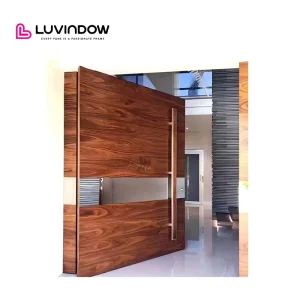
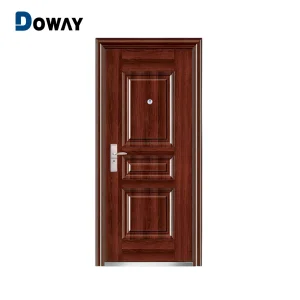
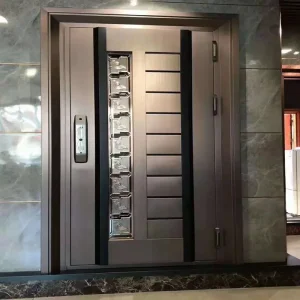
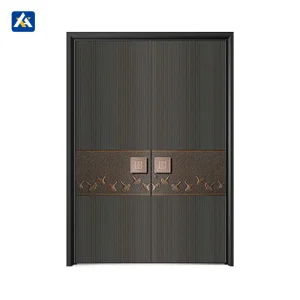
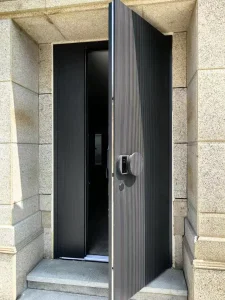
Explore our wider product line, including armored entry doors, pivot entrance structures, and multi-unit solutions.
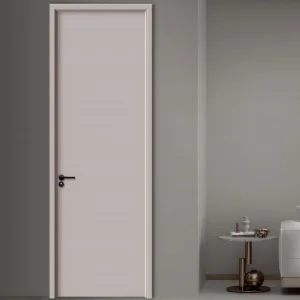
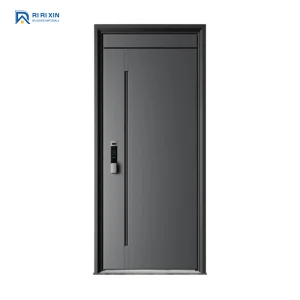
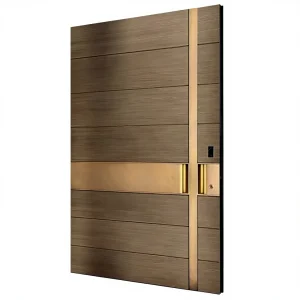
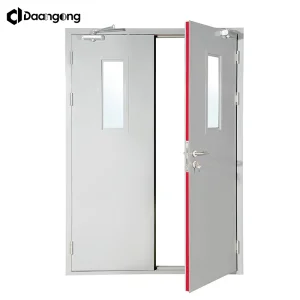
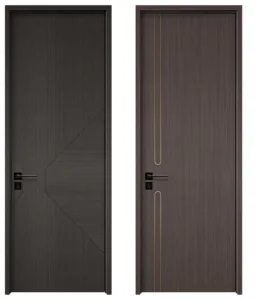
 Larsom Door