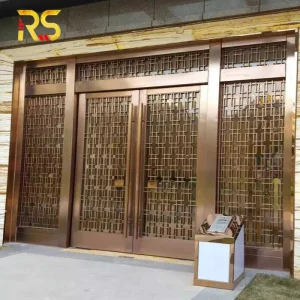
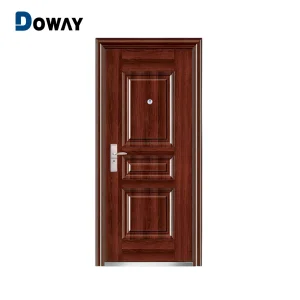
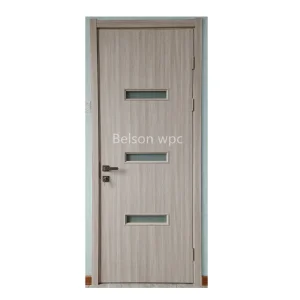
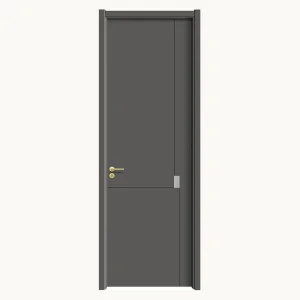
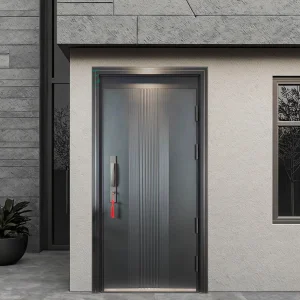
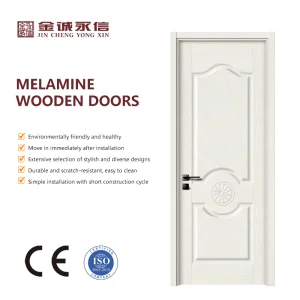
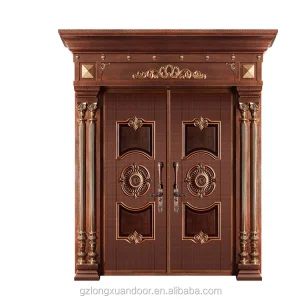
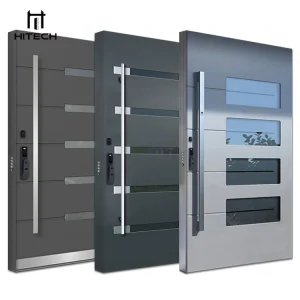
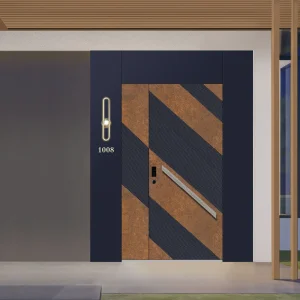
Zhejiang Larsom Door Co., Ltd. stands as a vanguard manufacturer specializing in the systematic R&D, structural engineering, and global logistics of high-integrity security doors, armored configurations, and custom modern glass entryway systems.
Deploying state-of-the-art facilities across 16,000+ square meters of modernized production plants, we run high-capacity assembly systems supported by over 160 specialized technicians and engineers. Our baseline capacity yields in excess of 200 premium custom units daily, allowing us to seamlessly service large-scale commercial real estate projects, custom high-end architectural programs, and global distribution supply chains.
Through severe implementation of global design standards, Zhejiang Larsom Door Co., Ltd. continues to define B2B doors solutions by executing top-tier craftsmanship, performance verification, and sustainable design practices.
In contemporary architectural design, the entryway serves as the primary visual and structural transition point. The integration of structural glass with metal alloys (specifically premium aluminum and high-tensile steel) has transitioned from high-end custom residences to mainstream commercial applications. For global real estate developers, commercial contractors, and wholesale buyers, procuring custom OEM modern glass entryway doors involves understanding structural wind loading, thermal efficiency indexes (U-Factor & SHGC), security performance metrics, and localization compliance.
B2B Technical Trend Insight: Current trends show architectural specifications demanding slimmer sightlines with increased structural load capabilities. Specifying thermal-break profiles and multi-point security hardware has risen by 47% in Western European and North American projects over the past 24 months, indicating a clear market movement toward performance-grade entryway assets.
Selecting modern glass entryway systems requires deep insight into components that prevent environmental thermal transfer and defend against physical intrusion. A standard hollow frame or non-treated pane is insufficient for modern construction codes.
| Performance Metric | Standard Configuration | High-Performance Upgrades (Custom OEM) |
|---|---|---|
| Thermal Transmittance (U-Value) | ≤ 1.8 W/(m²·K) | ≤ 1.1 W/(m²·K) (Triple Glazing + Argon) |
| Acoustic Isolation (STC Rating) | 32 dB | Up to 45 dB (Laminated Insulating Glass) |
| Security Resistance Class (EN 1627) | RC2 / PAS 24 | RC3 / RC4 (Armored structural steel backing) |
| Wind Load Performance | Class 3 (DP40) | Class 5 (DP60+ for high-wind coastal conditions) |
| Hardware Lifecycle Performance | 100,000 cycles | 500,000+ cycles (German Winkhaus / GU Systems) |
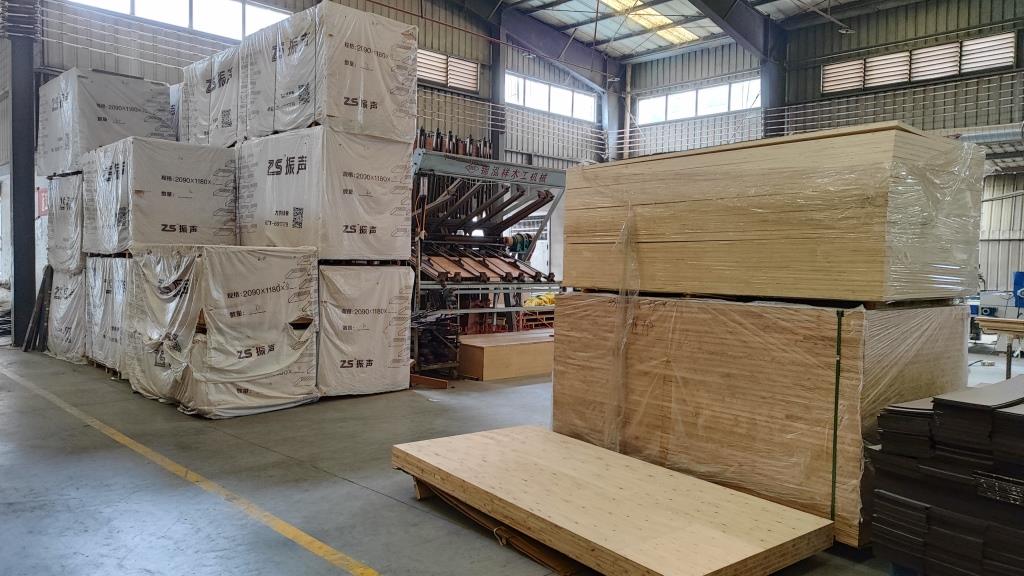
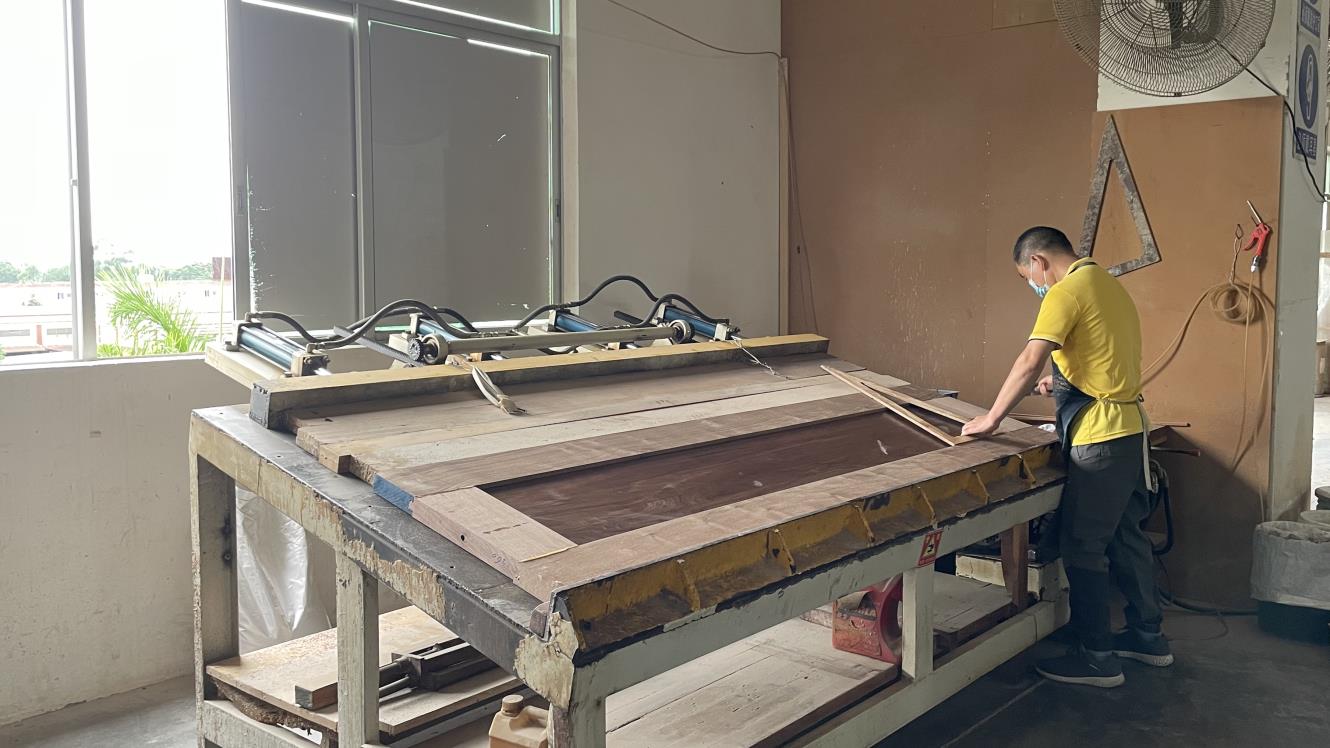
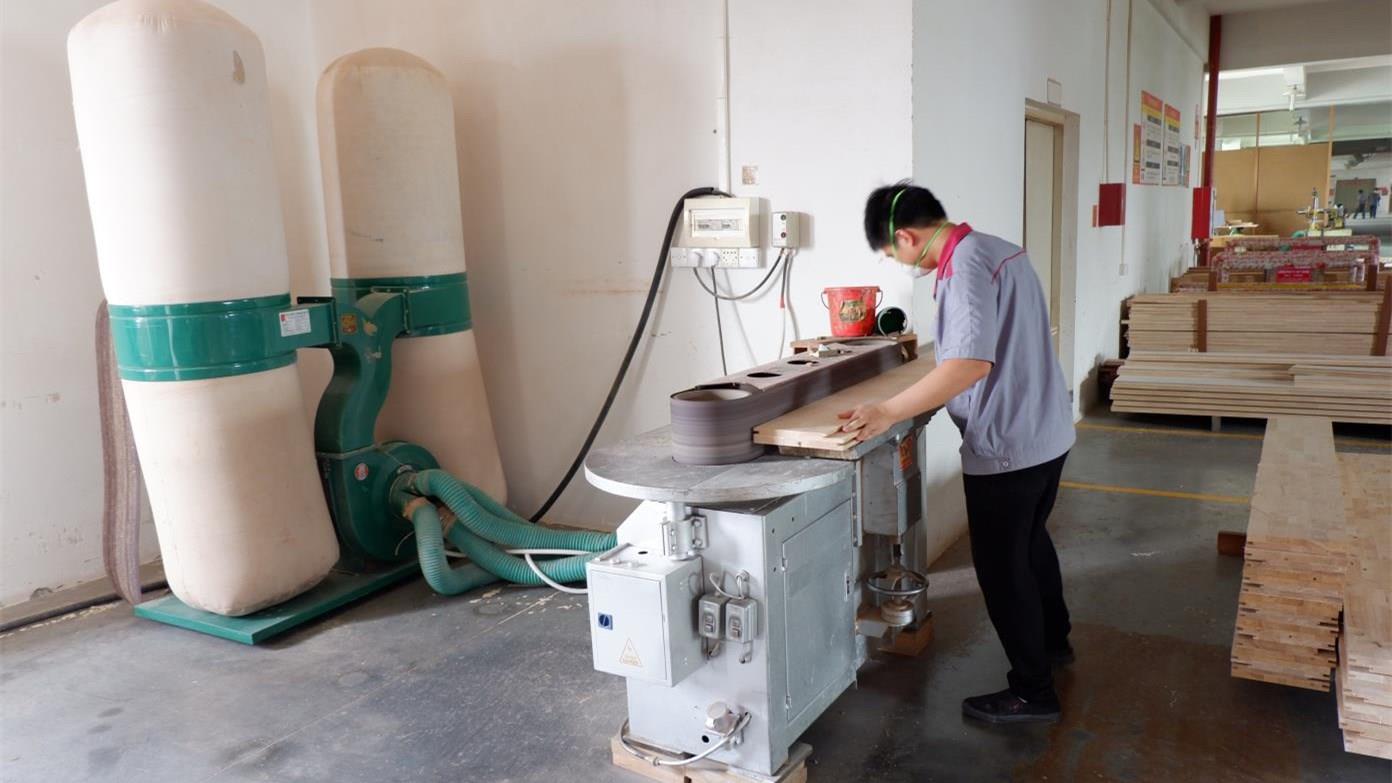
Purchasing directly from Larsom Door in China allows global entities to leverage robust industrial ecosystems. Our integrated production plant scales efficiency without sacrificing detailing accuracy. Through strategic automation, we balance cost and extreme tolerances required for customized architectural components.
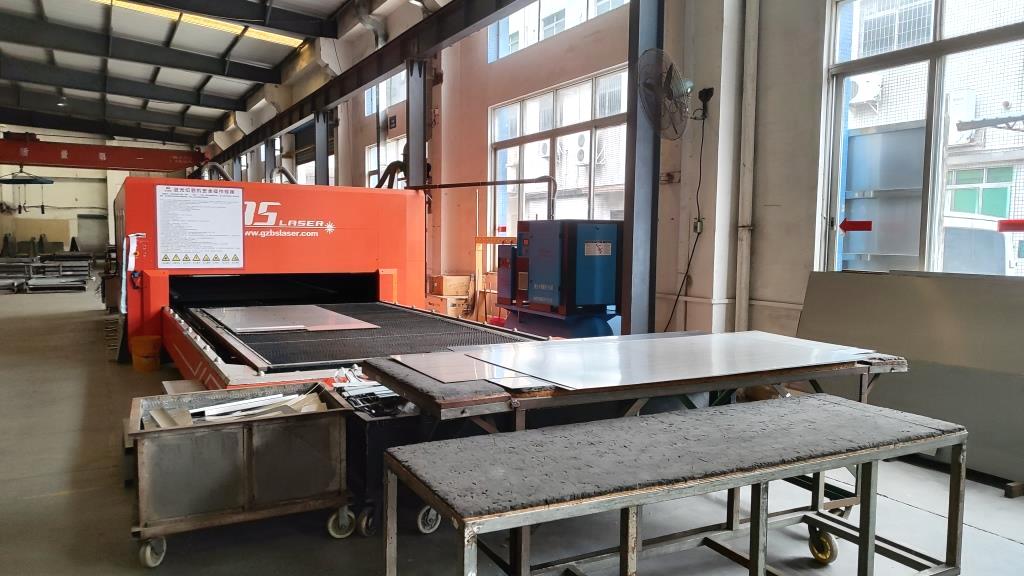
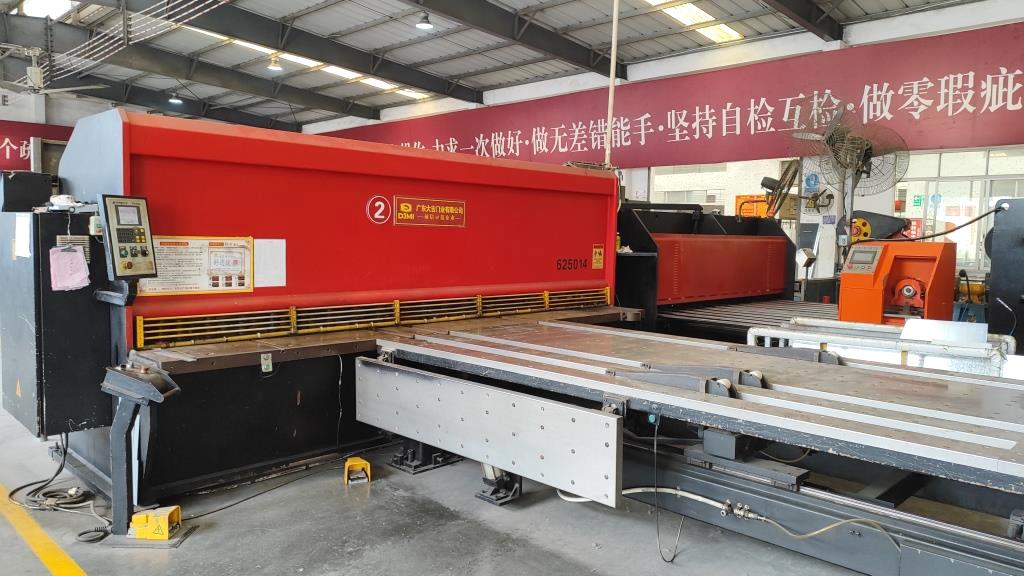
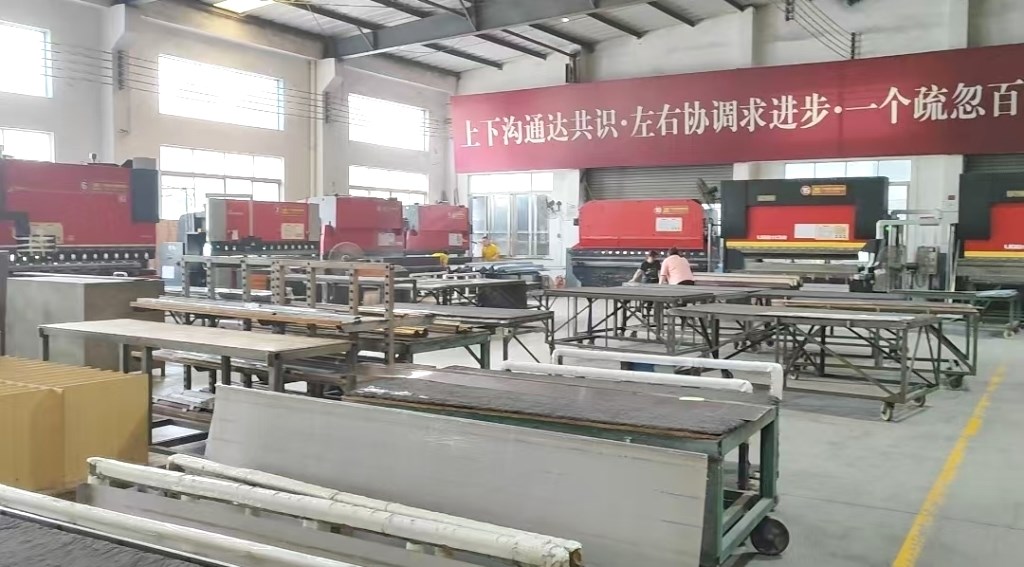
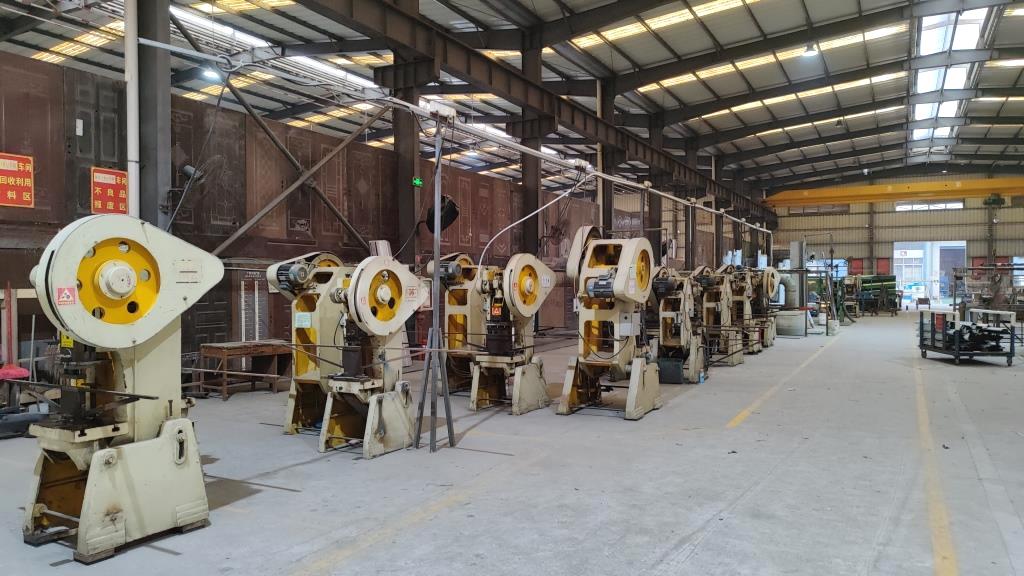
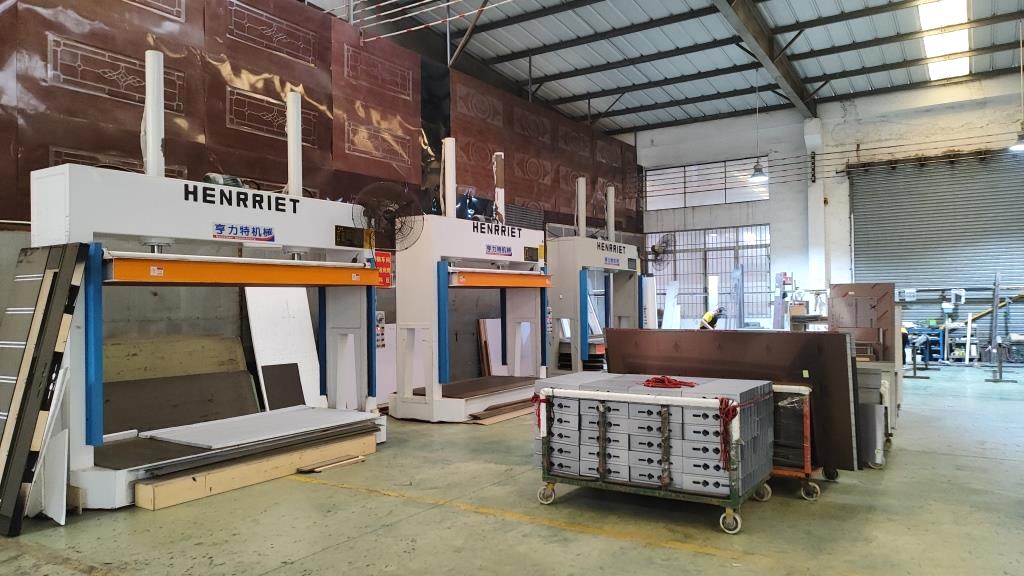
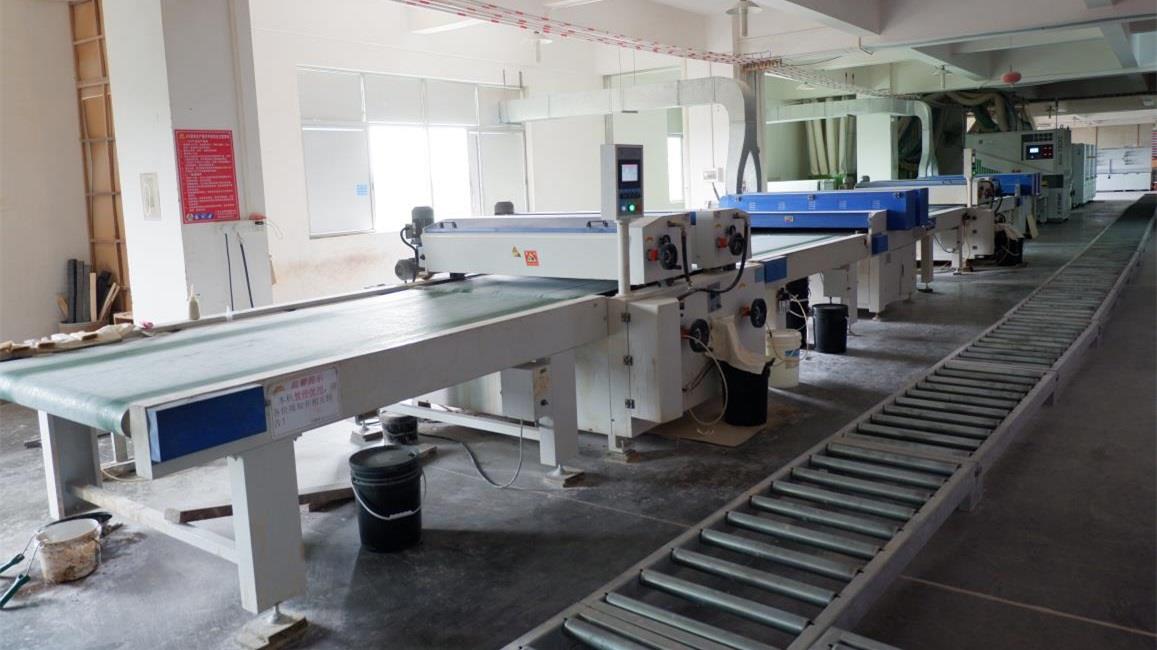
Our infrastructure hosts high-precision machinery, including CNC laser processing centers, high-speed turret punching units, computerized brake presses, and fully automated powder coating lines. This high density of advanced equipment helps mitigate human error during fabrication, securing exact dimensional consistency for custom entryways.
Navigating global building codes is a major hurdle for international contractors. B2B projects require certified components to pass final inspections and secure structural sign-offs. We maintain close oversight of regional target standards to eliminate integration bottlenecks.
For the North American market, our configurations prioritize NFRC performance targets, energy code alignments, ADA threshold access options, and structural load ratings (AAMA/WDMA/CSA 101/I.S.2/A440). In European jurisdictions, we align our outputs with CE marking certifications, EN 1627 mechanical security rankings, and thermal parameters matching low-energy construction models.
Custom modern glass entryway doors have unique applications across distinct architectural typologies:
 Larsom Door