Explore our elite portfolio of fire-rated, acoustic, and high-security doors engineered for international commercial and residential specifications.
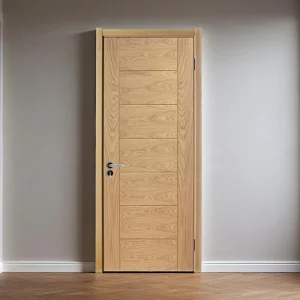
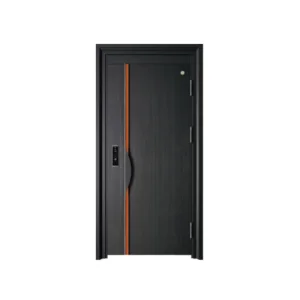
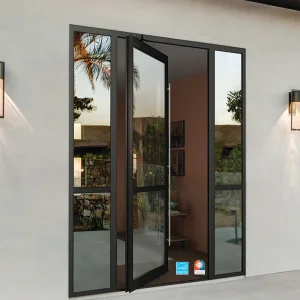
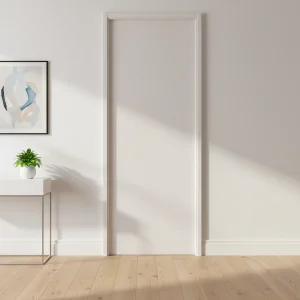
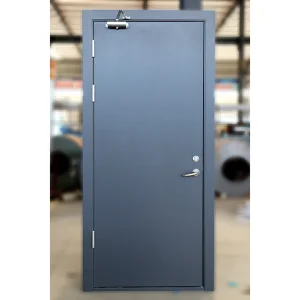
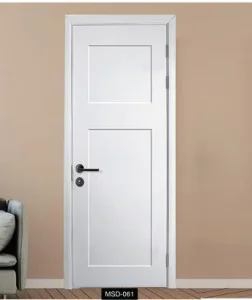
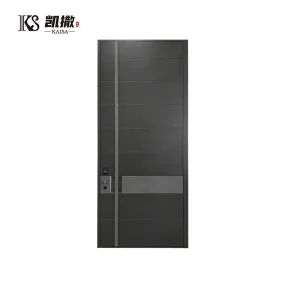
In modern high-occupancy architecture, the design and selection of bathroom door assemblies have evolved far beyond basic privacy considerations. Globally, safety planners, fire marshals, and real estate developers are shifting toward dual-performance architectural openings: doors that offer reliable fire containment and advanced water-proofing properties.
Typically, bathrooms in hospitality, multi-family high-rises, and industrial facilities act as critical damp zones subject to steam, water droplets, and high relative humidity. Concurrently, fire safety frameworks (such as British Standard BS 476, European EN 1634, and American UL 10C) mandate that doors opening onto shared corridors must contain fire from 20 to 120 minutes. Bridging this gap requires specialized materials—like composite mineral boards, treated wood fibers, and intumescent edge-stripping—that can withstand daily moisture without structural warping, while preserving a dense barrier against intense heat and smoke ingress.
Whether specifying doors for high-rise commercial structures in London or high-end residential compounds in Dubai, procurement managers need to source products from verified global manufacturers capable of certifying fire protection and moisture stability under severe service conditions.
Zhejiang Larsom Door Co., Ltd. stands as a premier global manufacturer specializing in the research, design, production, and worldwide distribution of security doors, armored entrances, steel-wood doors, and customizable interior & exterior barrier systems.
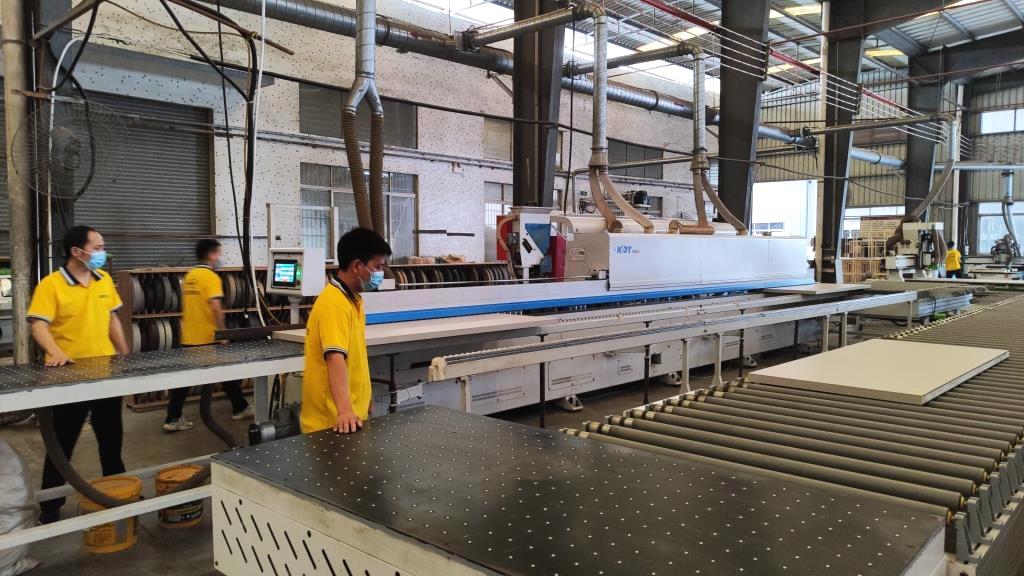
Our operation is driven by a simple but uncompromising standard: "Quality First, Customer Foremost, Innovation for the Future." Spanning a state-of-the-art facility of over 16,000 square meters and employing over 160 skilled technicians and engineers, Larsom Door utilizes automated CNC lines, laser cutters, automatic welding setups, and powder-coating systems to manufacture over 200 sets of premium doors daily.
Today, our product range is trusted in more than 130 countries and regions across Europe, the Middle East, Africa, South America, Southeast Asia, and Central Asia. We provide flexible OEM/ODM integration to support developers, contractors, and importers seeking tailored certifications and modern aesthetic styling.
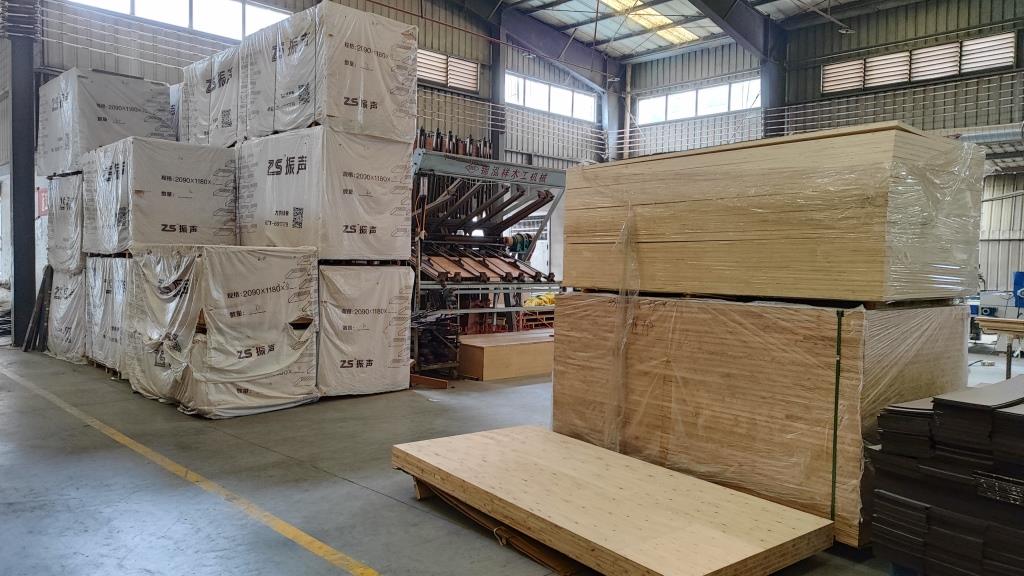
Every stage of production—from design prep to finish—is executed with CNC precision, automatic calibration, and strict quality control loops.
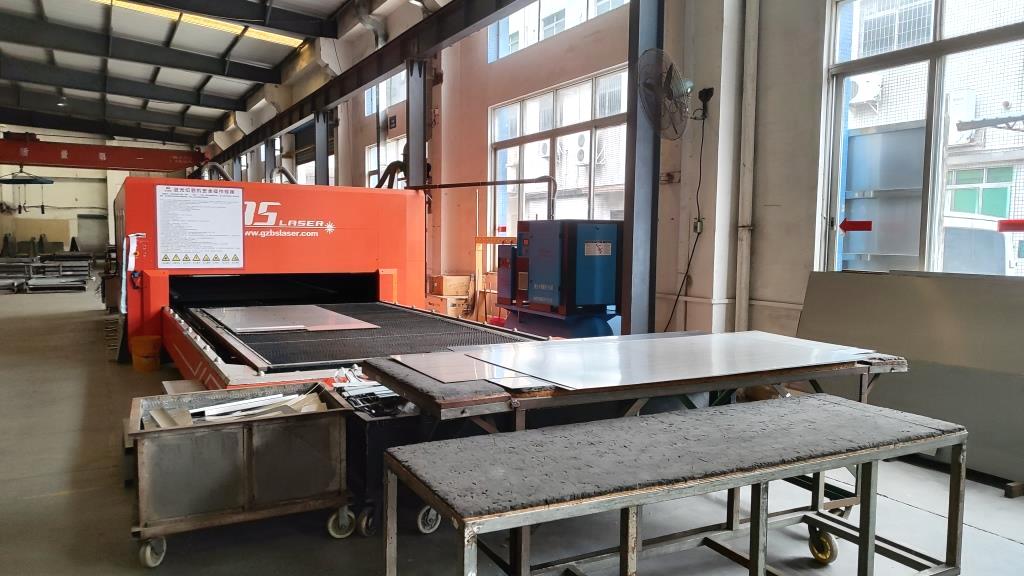
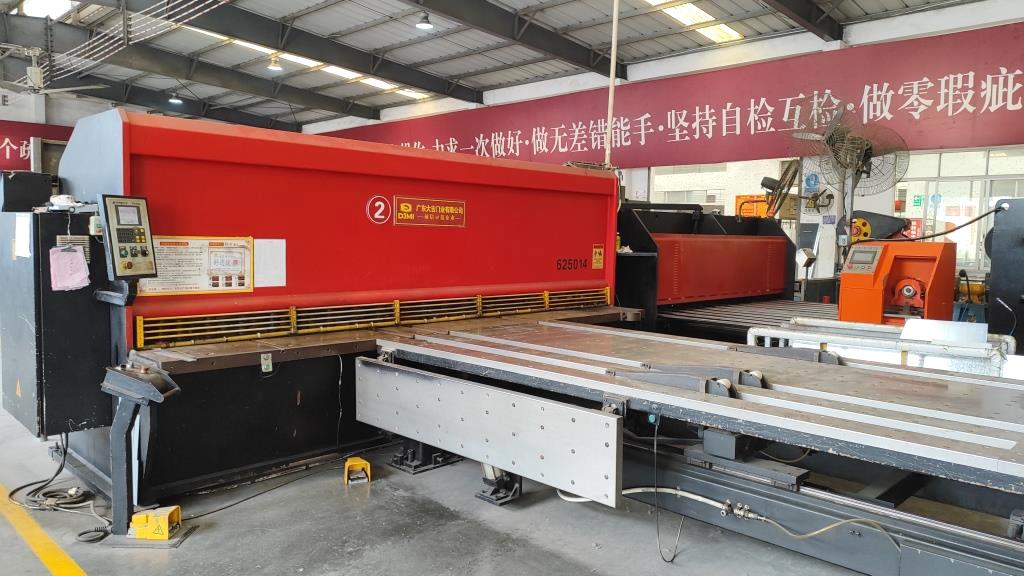
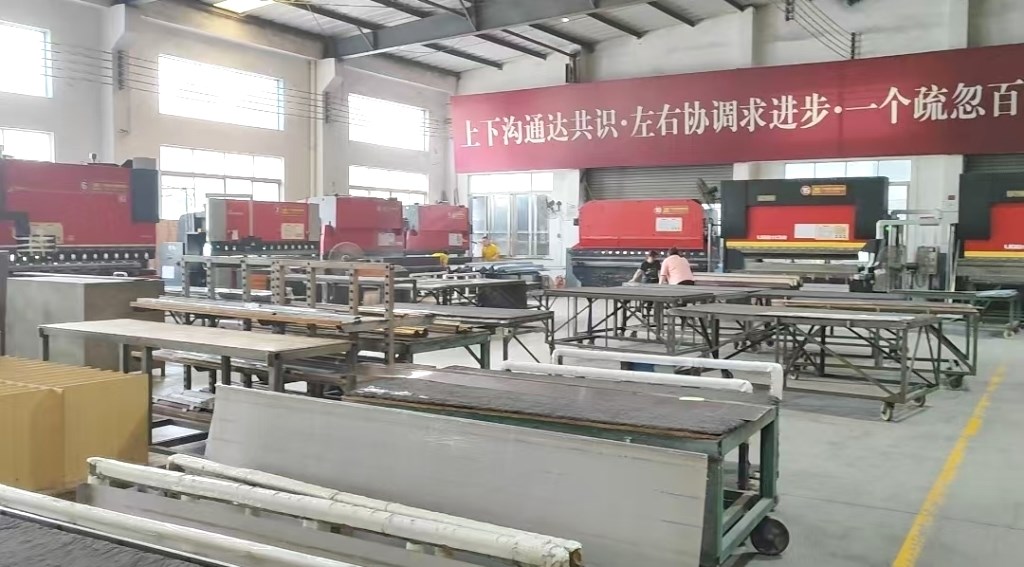
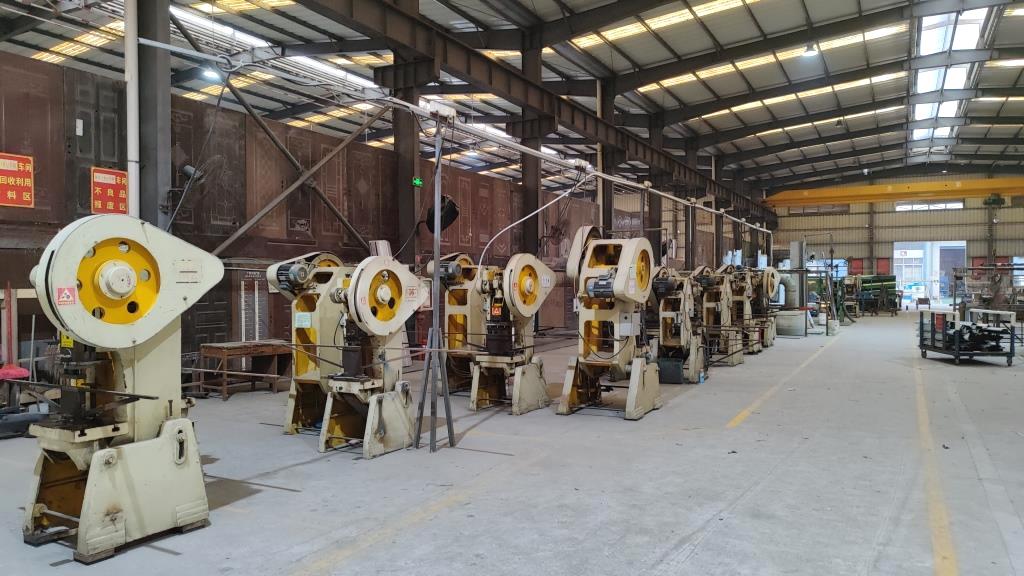
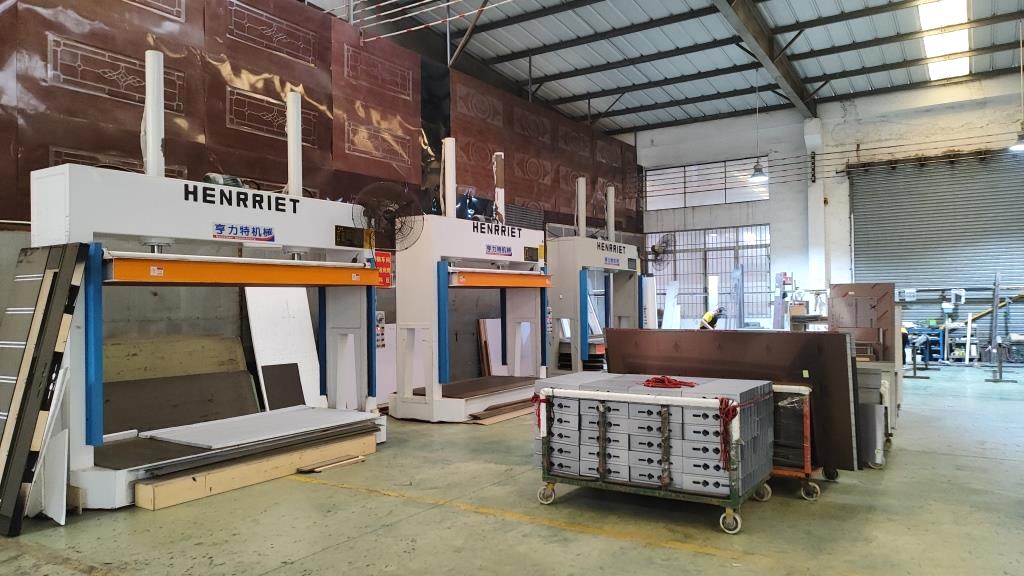
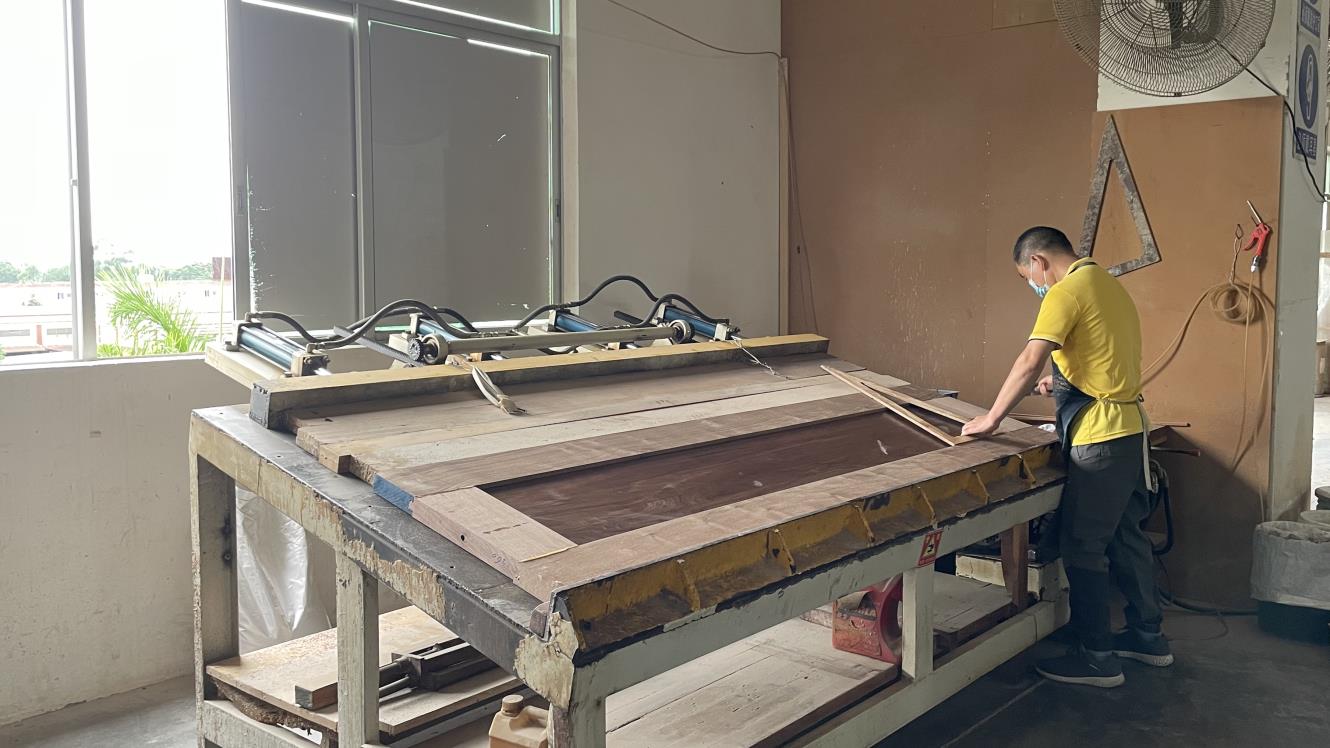
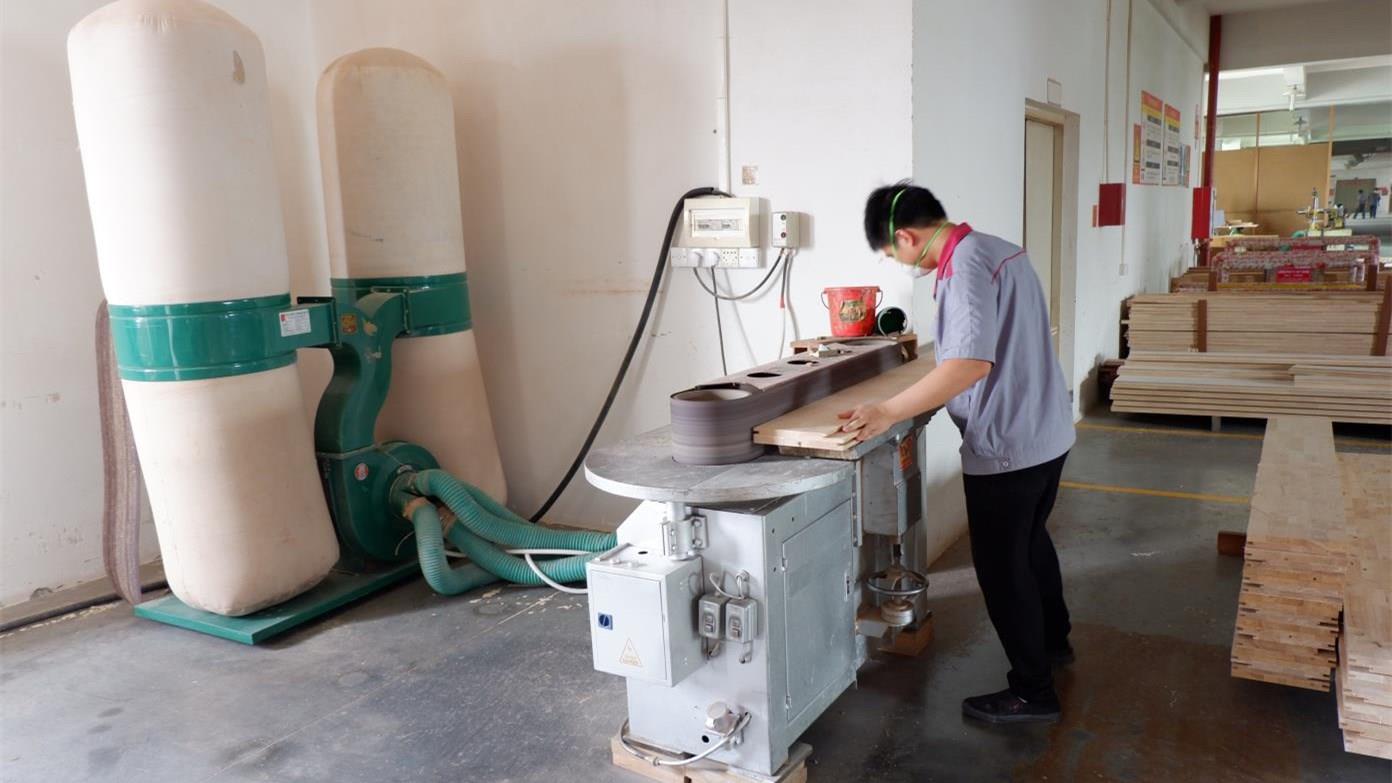
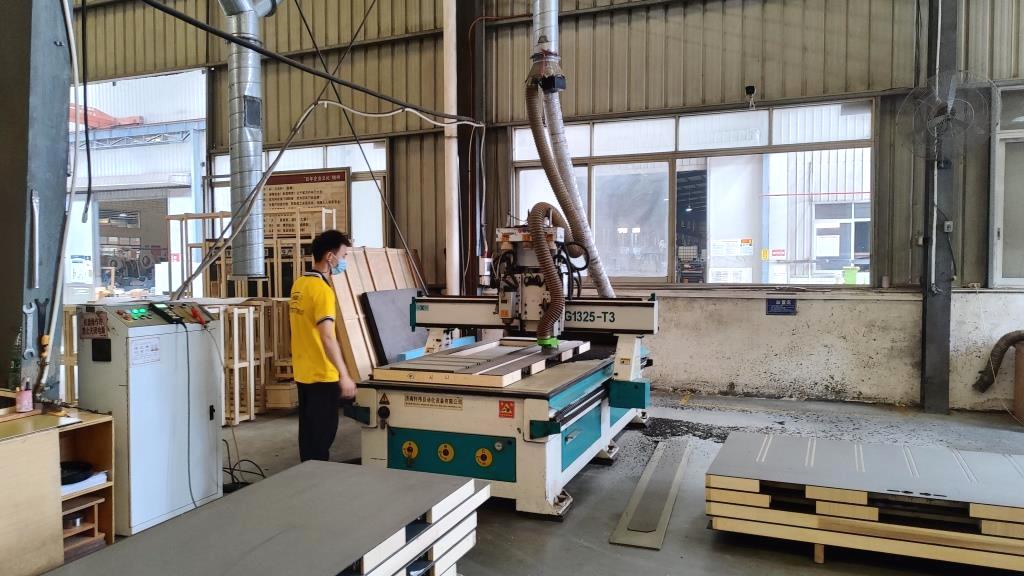
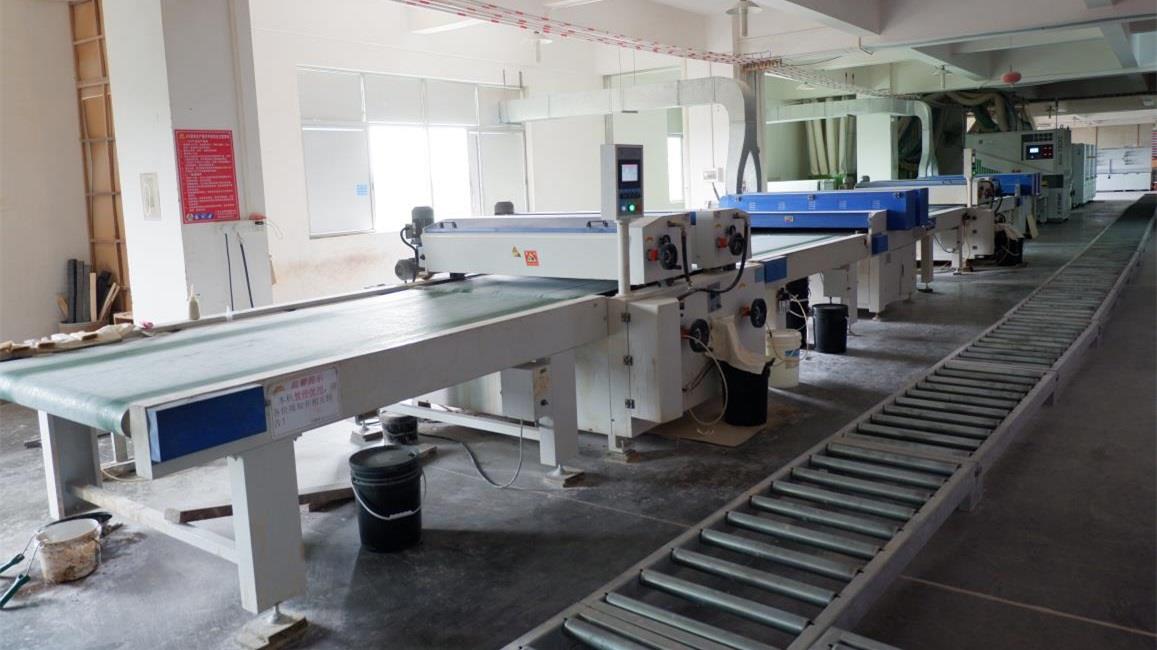
Evaluating the material composition and technical processes that distinguish premium fireproof bathroom systems.
Standard core materials absorb moisture, leading to internal rot and swelling. Industry leaders utilize specialized mineral wool core inserts, composite fire-boards, or high-density engineered fiberboards infused with hydrophobic polymers to prevent volumetric expansion while meeting BS or UL fire protection classes.
Fitted within precision routed grooves along the frame and door edge, intumescent seals expand up to 25 times their original volume when exposed to temperatures exceeding 150°C. This chemical expansion seals air gaps, cutting off toxic gas and smoke migration between rooms.
Utilizing high-pressure melamine, PVC skin encasements, WPC (Wood-Plastic Composite) outer frames, or multi-coat UV finishes ensures the door remains impervious to water, resisting peeling and bubbling in steam-filled hotel bathrooms.
Purchasing directors from global construction firms repeatedly turn to Chinese manufacturing hubs due to unmatched scale, structural speed, and vertical supply-chain integration. The Zhejiang door-manufacturing cluster, home to Zhejiang Larsom Door Co., Ltd., offers key structural advantages:
Fireproof bathroom doors are not universal; their technical configurations must adapt to the building type:
As standard construction requirements grow more demanding, three major trends are defining the future of fireproof door development:
First, eco-friendly raw materials are rising to the forefront. Green building certifications (such as LEED or BREEAM) are steering builders away from formaldehyde-based resins. Leading factories are shifting toward water-based bonding agents and zero-emission WPC substrates.
Second, smart hardware integration is becoming standard. Developers now require pre-milled wiring pathways within fire doors to support keyless access cards, electromagnetic locks, and smart IoT status sensors without compromising fire ratings.
Third, there is a push for comprehensive multi-threat certification. Rather than testing solely for fire resistance, manufacturers are pursuing unified tests that certify fire resistance, wind pressure tolerance, acoustic damping, and moisture barriers under a single product certification code.
Technical answers to help buyers evaluate fire ratings, moisture resistance, and installation standards.
Generally, bathroom doors that lead into common exit corridors require a 20-minute to 60-minute fire rating. If the door opens into a private guestroom suite, a 20-minute rating is typically sufficient under BS 476 or UL 10C guidelines.
Premium manufacturers use composite cores with low moisture-absorption properties. The door edges are sealed with PVC, ABS, or aluminum banding, and the faces are finished with waterproof laminates (HPL or WPC skins) to keep internal materials dry.
Trimming is highly restricted on fire-rated doors. Typically, you can only trim the bottom edge by up to 5mm to 10mm, depending on the manufacturer's certification. Excessive trimming voids the fire rating, as it can damage the internal core structure.
For custom hotel or project specifications, production lead times are typically 25 to 35 days from technical drawings approval. Shipping transit times vary by destination, typically taking 15 to 45 days.
Browse additional specialized entries featuring high-performance PVC coatings, robust security armored builds, and soundproofing composites.
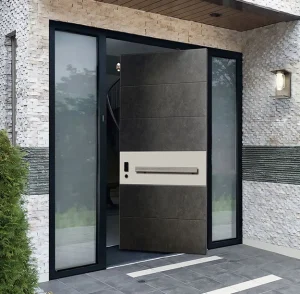
 Larsom Door