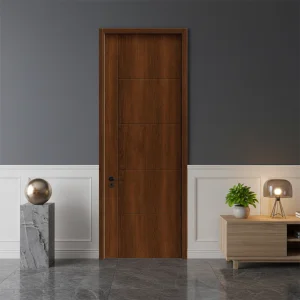
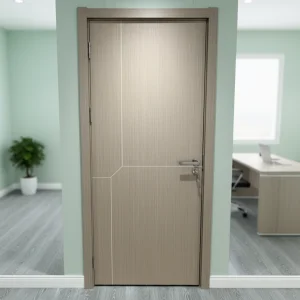
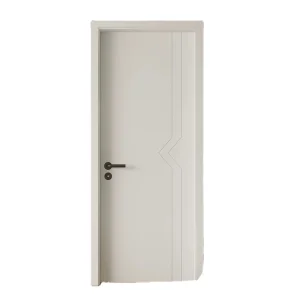
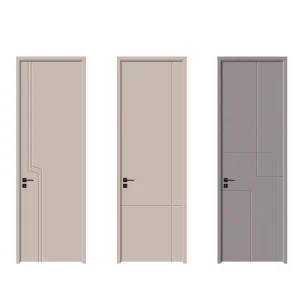
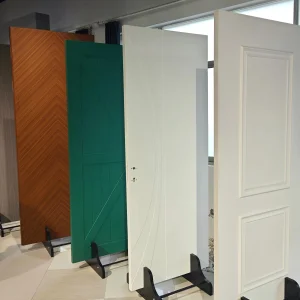
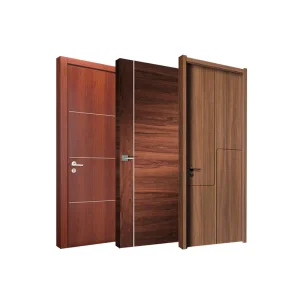
Premium WPC door solutions specified for New Zealand's modern residential developments and coastal environments.
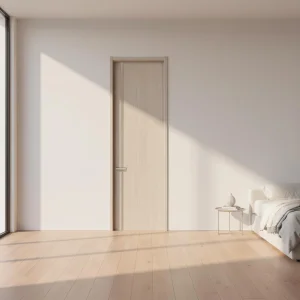
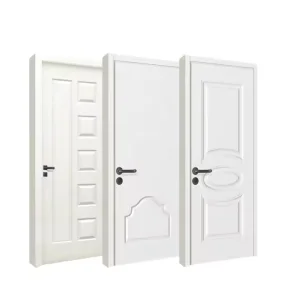
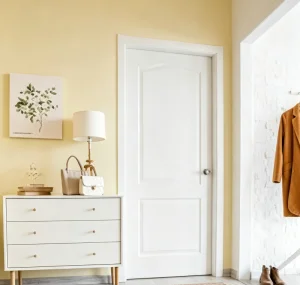
New Zealand's geographical location creates unique meteorological conditions that pose challenges to architectural materials. With relative humidity levels regularly exceeding 80% in regions like Auckland, Northland, and the West Coast, traditional timber-based doors and medium-density fiberboards (MDF) are highly susceptible to moisture absorption, swelling, warping, and mold growth. As the industry faces stricter regulations under the New Zealand Building Code (NZBC) and a growing demand for Homestar and Green Star certified products, building specifiers and contractors are turning to composite technologies.
Wood Plastic Composite (WPC) doors, combined with a high-fidelity PVC polymer veneer, represent the standard in interior door technology. By merging the structural rigidity and natural aesthetics of wood fibers with the inert, water-impermeable characteristics of thermoplastic polymers, WPC doors provide dimensional stability. This material does not rot, crack, or delaminate under thermal stress or atmospheric moisture cycles.
Assists in achieving interior thermal performance goals by eliminating cold-bridging and maintaining stable internal microclimates.
WPC composite structure maintains zero clearance issues, avoiding warping common in Auckland and Wellington humidity cycles.
Zero volatile organic compounds (VOCs), surpassing NZ environmental standards for interior residential air quality.
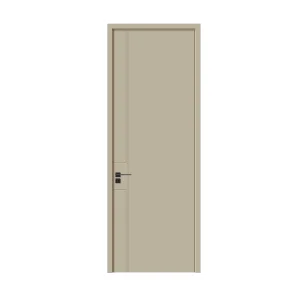
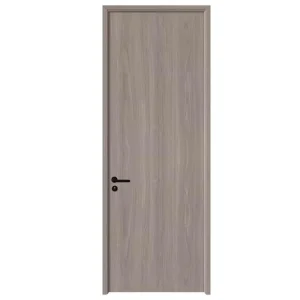
A major design benefit of WPC doors is the exterior surface technology. Standard painted doors require periodic recoating and are easily scratched. Our premium PVC veneering uses high-resolution timber grain and solid color profiles, thermally fused to the WPC substrate with reactive polyurethane (PUR) hot-melt adhesives. This process creates a chemical bond resistant to heat-induced edge peeling, impacts, and cleaning solvents.
This molecular integrity is critical for multi-occupancy developments, social housing projects managed by Kāinga Ora, and commercial accommodation sectors in resort areas like Queenstown. In these environments, high traffic demands durability without compromising aesthetics.
Zhejiang Larsom Door Co., Ltd. is a professional manufacturer specializing in the research, development, production, and global sales of high-quality security doors, armored doors, steel-wood doors, and customized entrance door solutions. Since its establishment, Larsom Door has been committed to providing customers around the world with safe, durable, and stylish door products.
Today, the company operates a modern manufacturing facility covering more than 16,000 square meters, supported by an experienced team of over 160 skilled employees. With advanced production management and efficient manufacturing systems, our daily production capacity exceeds 200 sets of premium doors, enabling us to meet both large-scale projects and customized orders with reliable delivery.
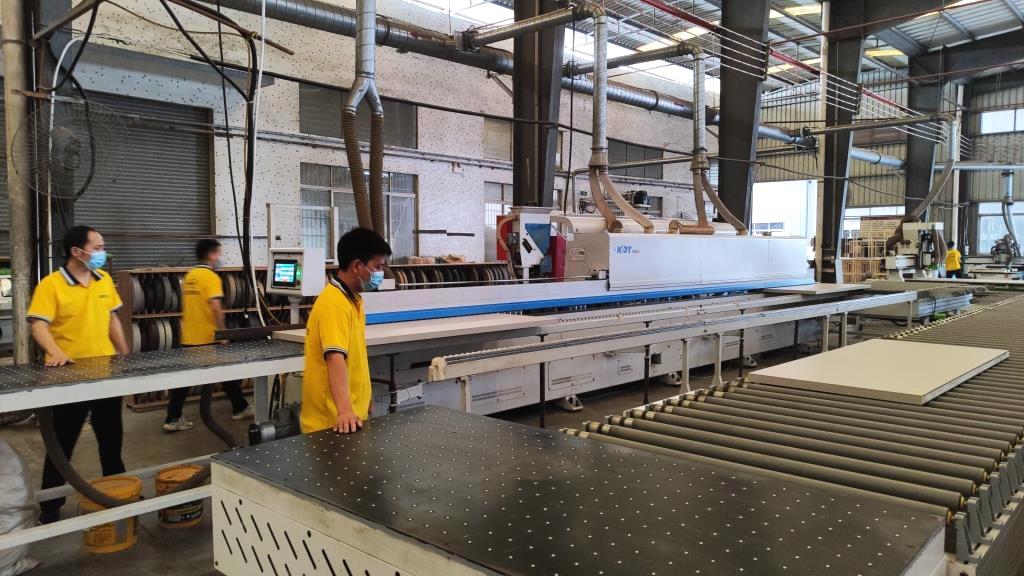
To continuously improve product quality and manufacturing efficiency, Larsom Door has invested in automated production equipment, including CNC laser cutting machines, CNC bending machines, automatic welding systems, high-speed turret punching machines, automatic sanding machines, and modern powder coating production lines. These facilities, combined with strict quality control procedures, ensure that every door meets international quality standards.
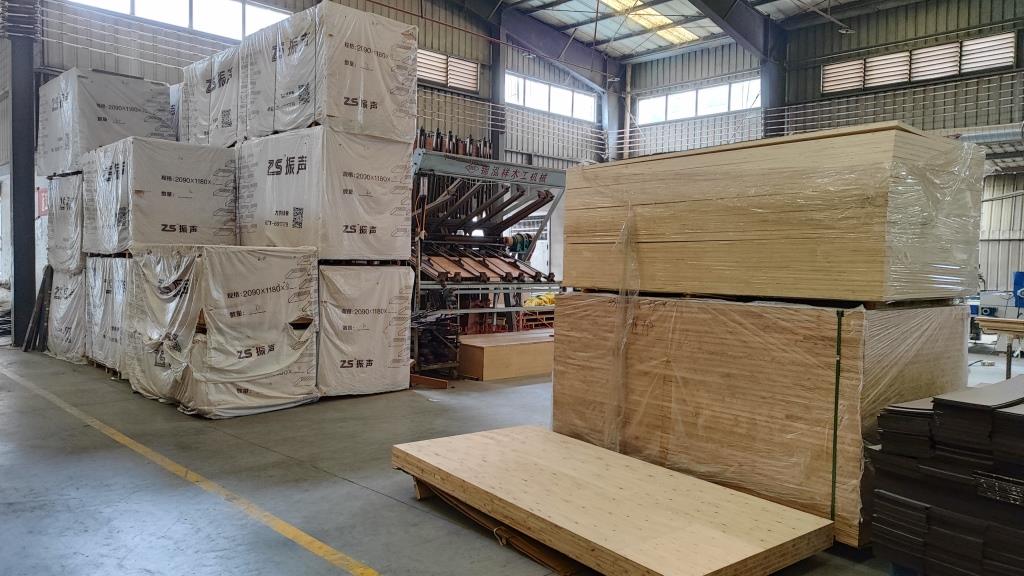
We manage direct shipping routes from primary Chinese manufacturing hubs to key New Zealand ports: Auckland (Waitematā), Tauranga, Lyttelton (Christchurch), and Wellington. Our logistics division handles export documentation, customs clearance parameters, and optimized container loading profiles to ensure damage-free transit.
Our supply chain model supports:
• Bespoke Customization (ODM): Tailoring sizes, pre-hung framing specifications, acoustic cores, and lock-block reinforcers to match NZ hardware standards (e.g., Yale, Legge, and Gainsborough).
• Bulk Factory Pricing (OEM): Reducing per-unit structural costs for developers and volume building merchants.
Every WPC substrate and PVC veneer profile is subjected to thermal-cycling tests, moisture-immersion checks, and dimensional verification. See our production process below:
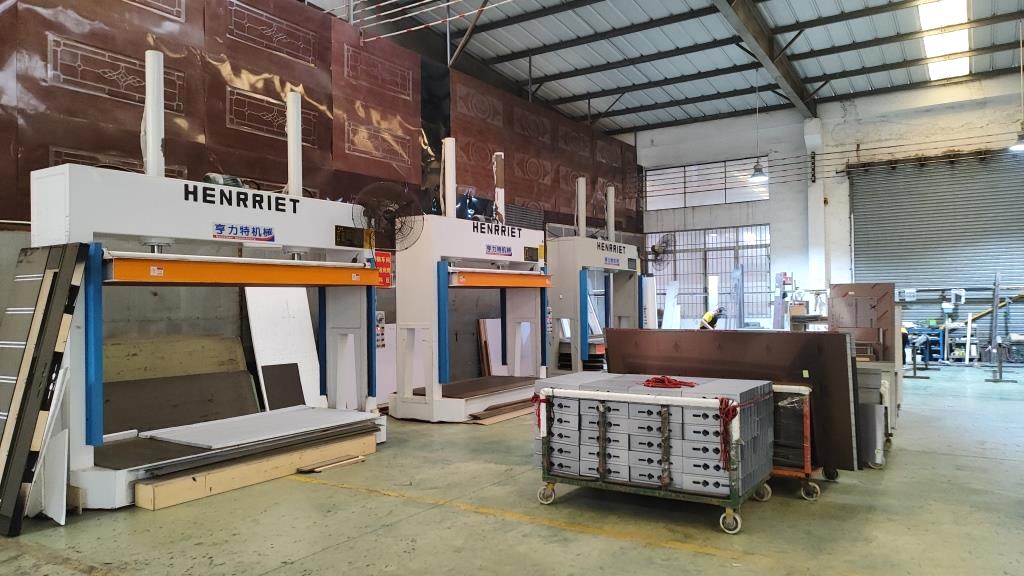


Engineered for high density housing and demanding architectural layouts.
Addressing the critical compliance, logistical, and material queries of New Zealand builders, specifiers, and procurement managers.
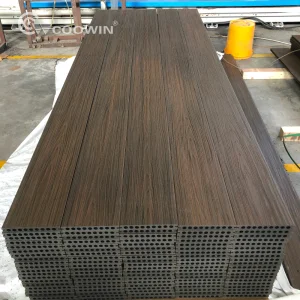
Complete range of co-extruded polymers, composite decking, and veneered slab doors for diverse structural requirements.
 Larsom Door