Engineered specifically for Sydney's dynamic climate, our premium WPC door collections combine the density and water resistance of modern composites with the aesthetic finish of natural PVC veneers.
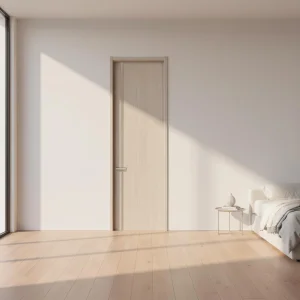
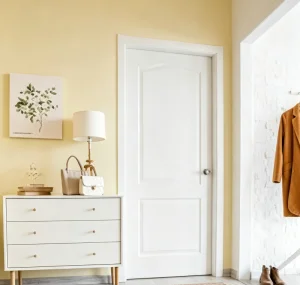
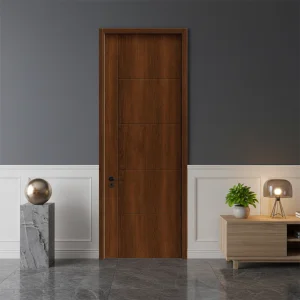
Sydney is recognized globally for its distinct architectural diversity, spanning high-rise multi-residential apartments in the CBD, historic restorations in Balmain, and sprawling coastal properties along the Northern Beaches. Designing and procuring materials for these microclimates poses major structural challenges. Coastal humidity, heavy salt air, and rapid thermal cycling accelerate the degradation of traditional timber doors. Wood rot, warping, and moisture swelling are standard failure modes for standard solid wood or MDF doors within the humid maritime environment.
To address these concerns, building specifications in New South Wales are increasingly prioritizing advanced composite materials. PVC Veneered Wood Plastic Composite (WPC) Doors have become the dominant solution. Combining the structural integrity of natural wood flour with the chemical stability of thermoplastics, WPC doors offer zero water absorption, low thermal expansion coefficients, and robust resistance to termites. The application of high-durability PVC veneers provides developers and architects with realistic wood-grain finishes, matching architectural aesthetics while removing the need for regular varnishing or painting.
Sydney's relative humidity routinely fluctuates. WPC composites are impervious to moisture infiltration, preventing door expansion that causes sticking within frames.
Unlike painted or solid timber doors exposed to UV and salt spray, PVC-veneered surfaces require only simple wipe-downs, resisting yellowing and surface cracking.
By utilizing recycled thermoplastics and agricultural wood by-products, WPC provides points toward local Green Star certification and BASIX thermal requirements.
For commercial contractors and estimators, choosing the correct material impacts long-term warranty costs. Below is a structural comparison showing how PVC Veneered WPC performs against conventional alternatives under typical Australian coastal conditions:
| Performance Metric | Zhejiang Larsom WPC Doors | Standard MDF Interior Doors | Solid Timber / Pine Doors |
|---|---|---|---|
| Moisture Absorption | <0.5% (Impermeable) | High Swelling (8-15%) | Variable Swelling (5-10%) |
| Termite & Rot Resistance | 100% Resistant (Polymer matrix) | Highly Susceptible | Requires regular chemical treatment |
| VOC Emissions (Formaldehyde) | E0 Grade (Zero added VOCs) | Commonly E1/E2 Grade | Depends on adhesives/finishes used |
| Flame Spread Classification | Self-extinguishing (Class B1) | Combustible | Combustible without treatment |
| Acoustic Damping (STC) | High (~32dB - 38dB depending on core) | Moderate (~28dB) | Variable (~30dB - 35dB solid) |
Zhejiang Larsom Door Co., Ltd. is a leading manufacturer specializing in the research, development, production, and global export of premium-grade security doors, armored doors, steel-wood doors, and specialized internal polymer composite systems. Since our founding, we have focused on engineering entrance and interior door solutions that blend security, aesthetics, and long-term durability.
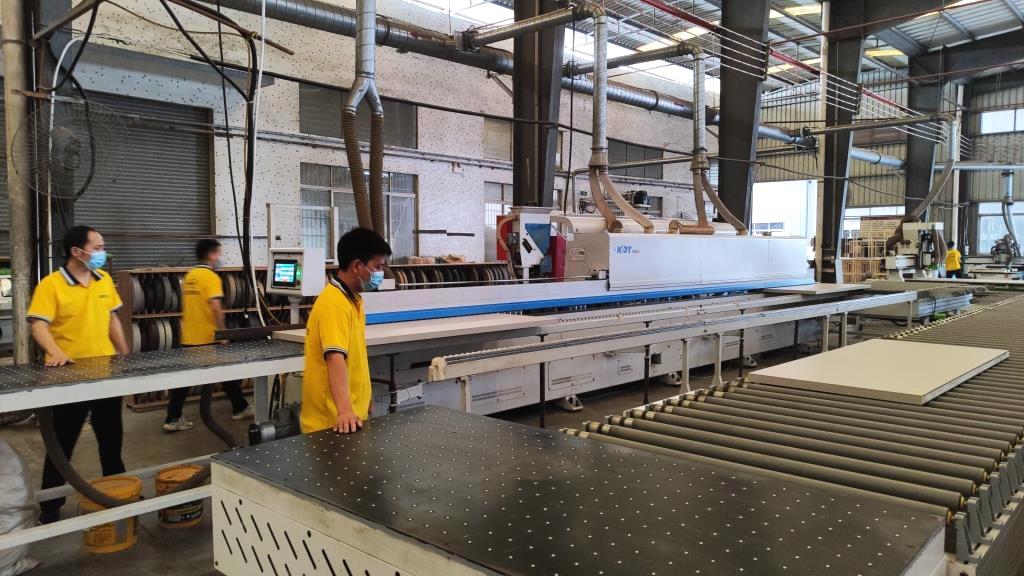
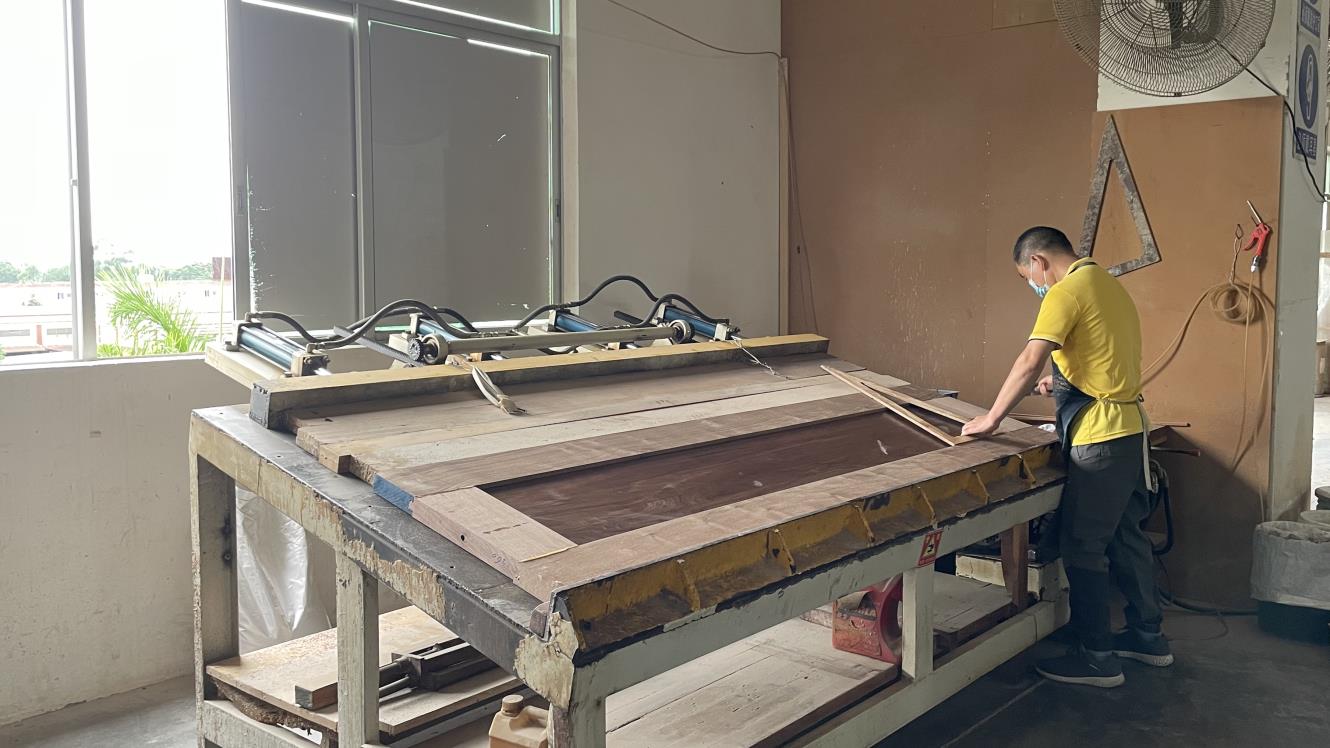
Operating a modern manufacturing facility covering more than 16,000 square meters, supported by a dedicated team of over 160 skilled technicians, Larsom has developed an efficient manufacturing framework. Our production capacity exceeds 200 sets of premium doors per day, ensuring prompt fulfillment of large-scale residential projects and custom architectural orders alike.
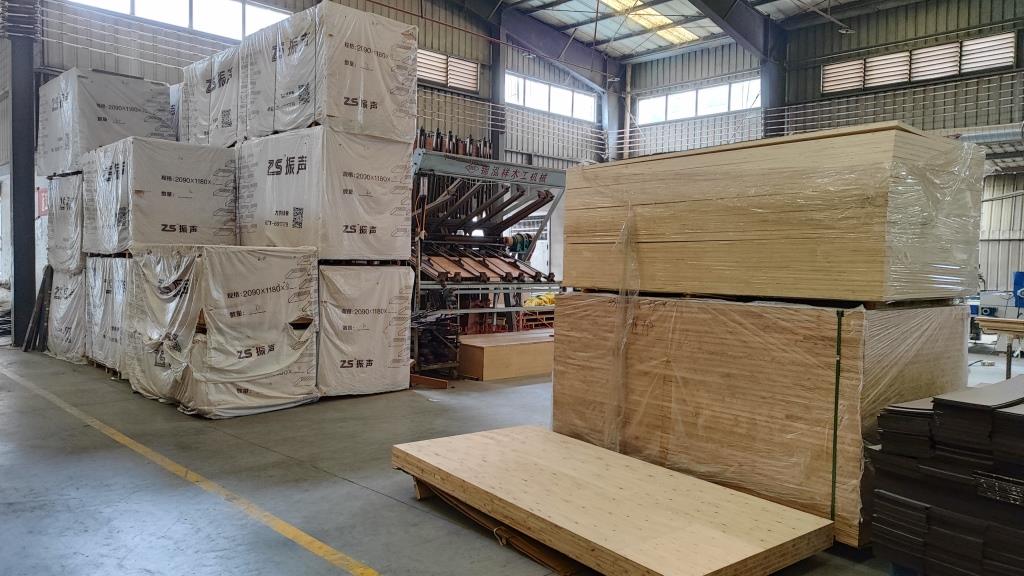
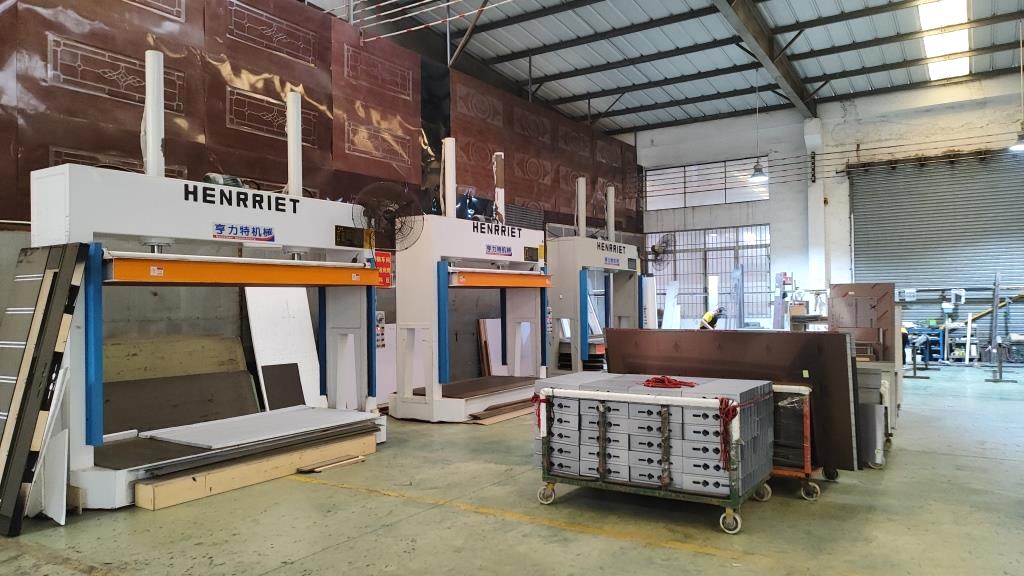
To maintain strict dimensional tolerances and production speed, Larsom continues to invest in advanced machinery. Our workshop is equipped with CNC laser cutting machinery, high-precision CNC bending apparatus, automated welding stations, high-speed turret punching presses, automatic sanding units, and high-volume electrostatic powder coating lines. These computerized systems, paired with rigid quality checkpoints at each stage of production, guarantee consistent finished quality.
Precision engineering is central to Larsom's operations. Our process combines CNC raw material preparation with advanced heat-bonding presses and computer-guided milling to ensure every structural frame and veneered slab is straight and true.
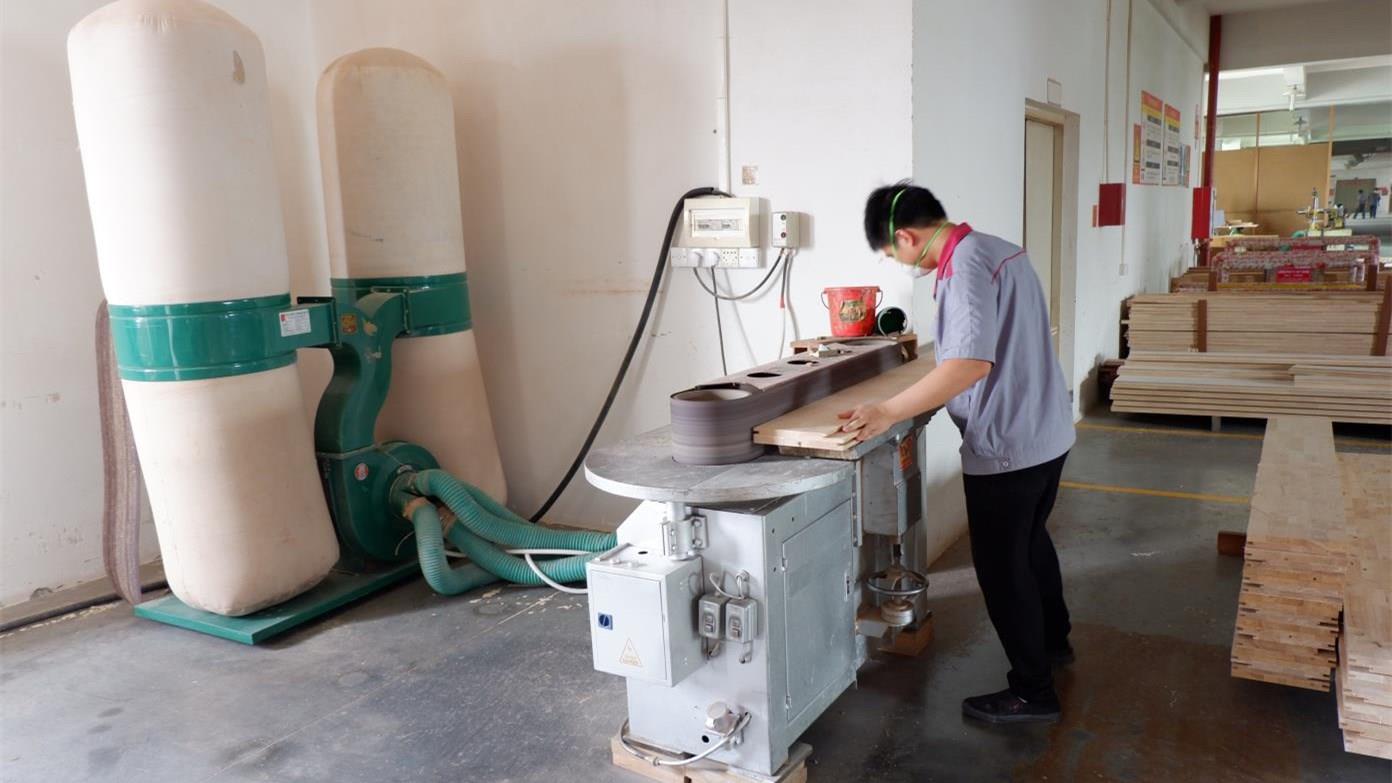
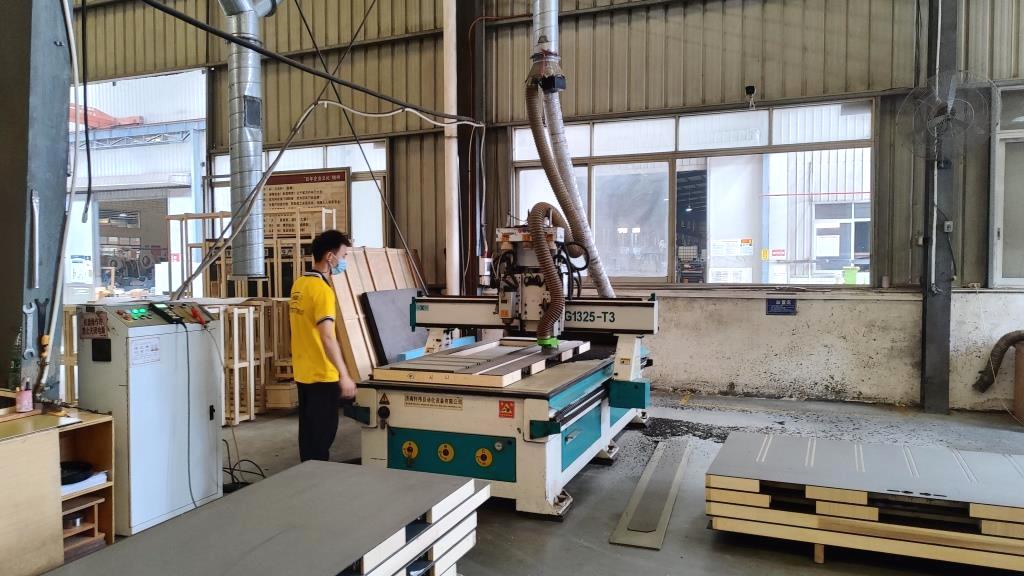
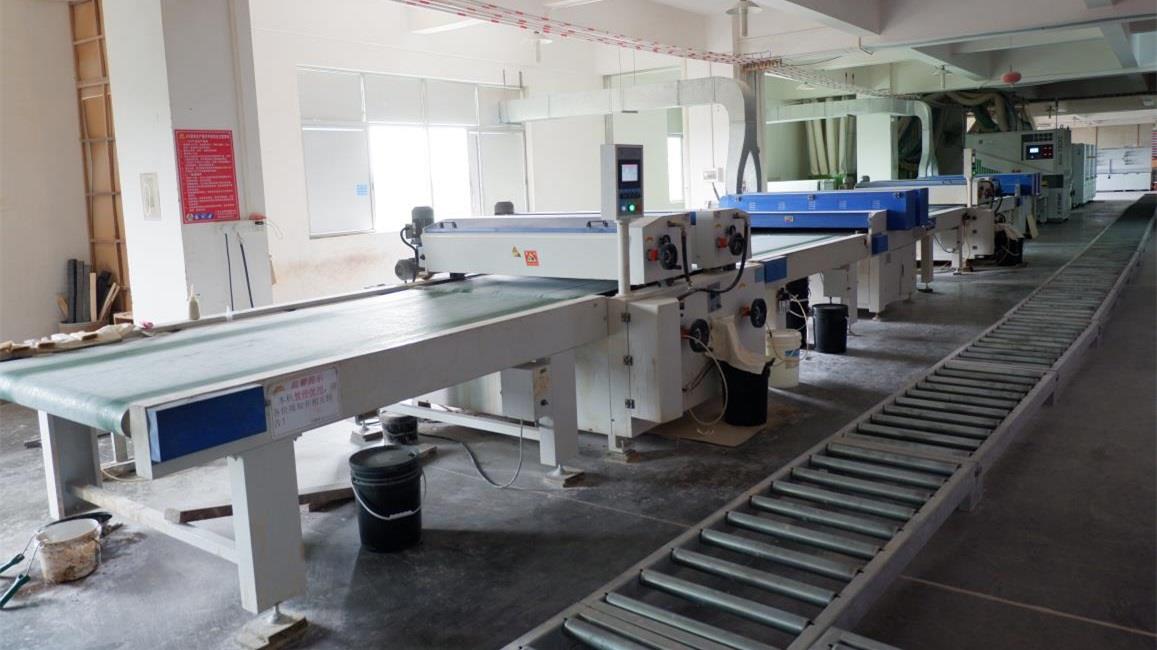
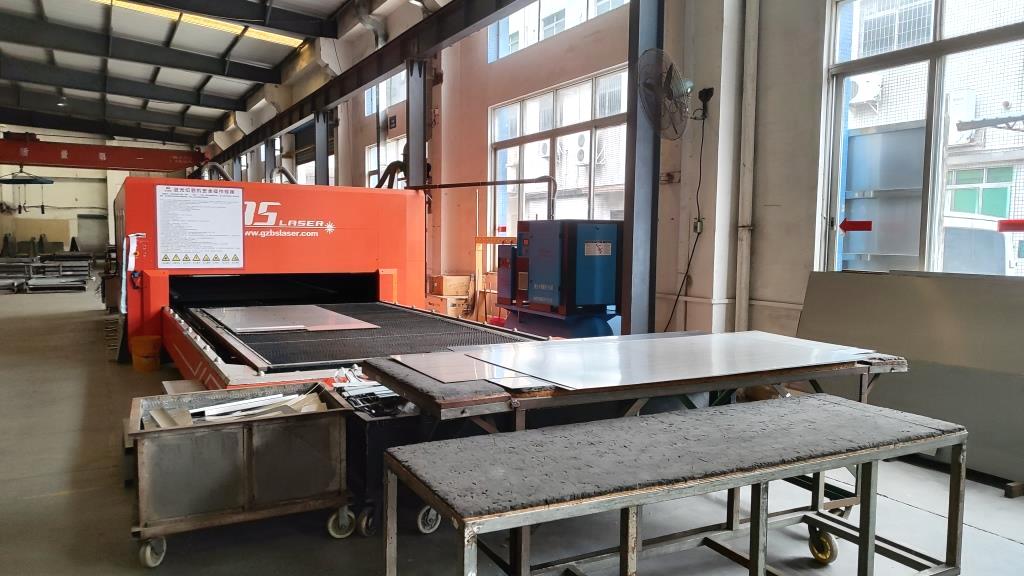
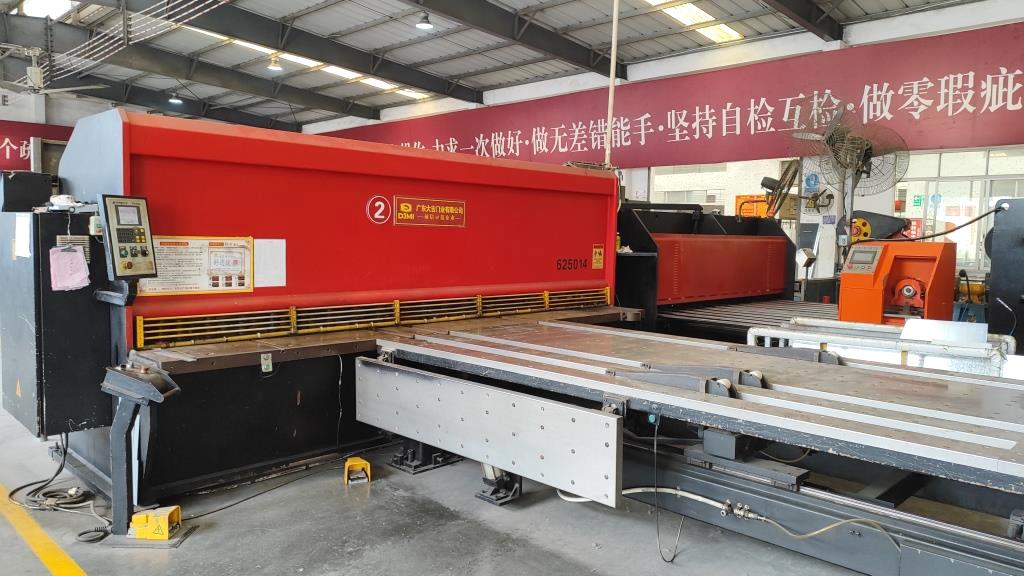
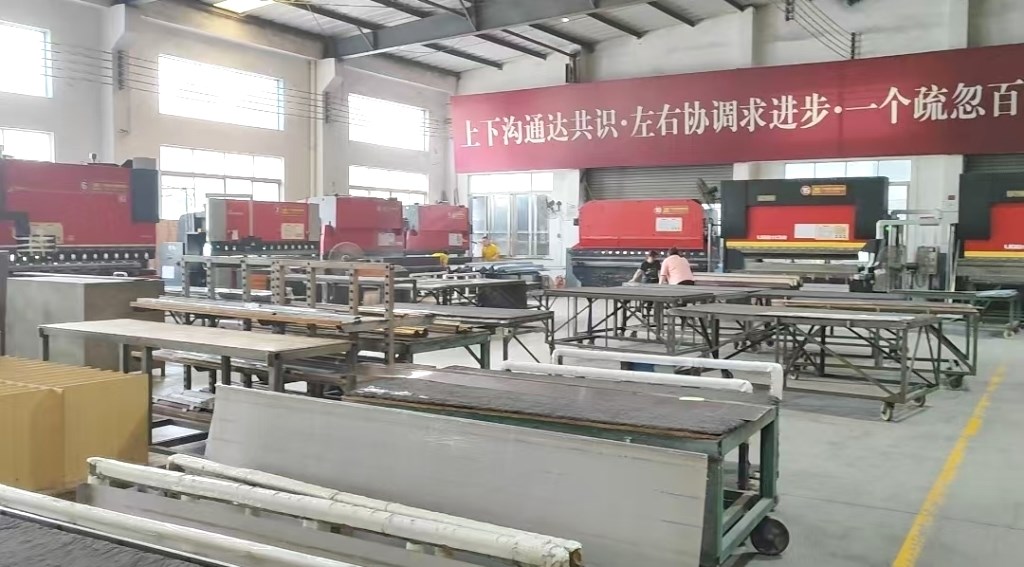
Exporting to over 130 countries and regions across Europe, the Middle East, South America, and the Asia-Pacific region, we have deep experience working with commercial developers, design agencies, and bulk distributors. Whether executing complex OEM design sheets or fabricating large-volume ODM orders, we ensure full material compliance, reliable transit packaging, and prompt lead times.
In the current global economic landscape, commercial developers and material wholesalers face challenges from supply chain volatility, fluctuating sea freight costs, and long port delays. When sourcing premium building products for residential developments in Sydney, efficiency in design approvals, customs clearance, and container shipping to Port Botany is critical.
As a global supply partner, Larsom utilizes structured logistics processes. All cargo destined for Australian ports is packed using custom heavy-duty multi-layer pallets, wrapped in water-resistant shrink wrap, and padded with high-density edge guards. This prevents physical impacts during maritime transport and ensures that the PVC-veneered finishes remain flawless upon arrival on site.
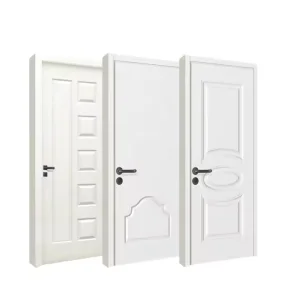
Browse our core line of premium WPC products. These range from modern interior doors to mid-century composite panels, designed for luxury residences and hotels.
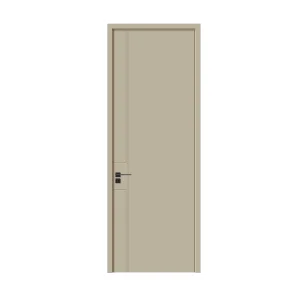
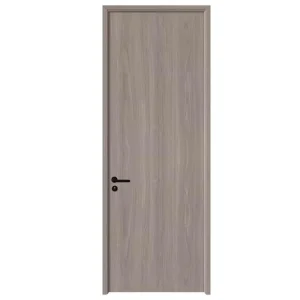
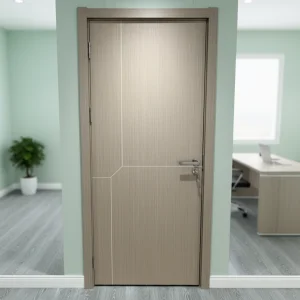
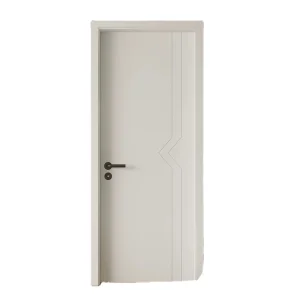
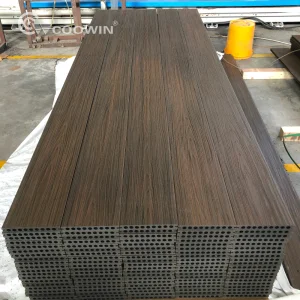
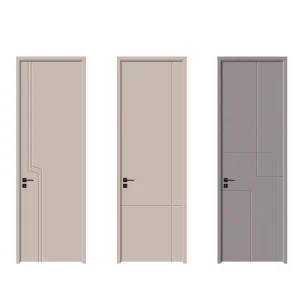
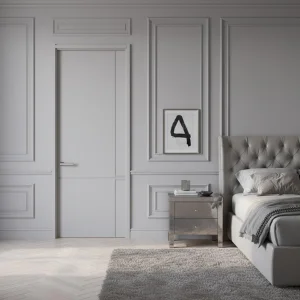
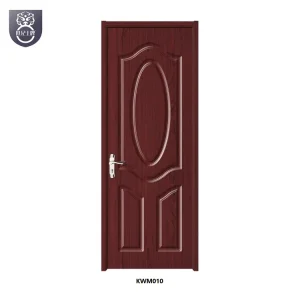
Understanding the durability of Larsom doors requires looking at the raw molecular structure of the Wood Plastic Composite material. Wood Plastic Composite is not a simple wood dust laminate. It is an engineered alloy formed by thoroughly mixing wood flour (obtained from recycled structural wood waste) and refined PVC polymers. This mixture is combined with dynamic coupling agents, internal lubricants, stabilizers, and pigment carriers under high pressure and heat.
Our proprietary extrusion process shapes this blend into a dense, solid, hollow-core profile. The hollow chambers within the door slab serve a dual purpose: they reduce the overall deadweight on hinges (critical for long-term swing alignment) and create dead-air chambers that damp sound waves. This provides high Sound Transmission Class (STC) ratings.
The exterior surface of the door is bonded with a premium, multi-layered PVC decorative film using high-performance polyurethane (PUR) hot-melt adhesives. PUR adhesive reacts with atmospheric moisture to form cross-linked chemical bonds. This prevents bubbling, cracking, or peeling at the edges, even when doors are installed in wet bathroom settings or laundries.
Technical answers for builders, specifiers, and distributors in New South Wales.
Are you planning a commercial project, apartment development, or stocking a building material wholesale outlet in Sydney? Get in touch with our engineering team for detailed technical brochures, product samples, and volume-discounted price lists.
 Larsom Door