The contemporary architectural landscape of Moscow, from the vibrant creative clusters of Artplay and Winzavod to the high-profile commercial districts of Moscow-City (MIBC), has experienced an exponential surge in demand for specialized soundproofing solutions. As broadcasting, media production, and premium residential spaces expand across the metropolitan region, standard timber doors are no longer sufficient to isolate high-frequency and low-frequency structural noises.
Moscow’s extreme seasonal temperature differentials—spanning from sub-zero winter freeze to humid summer heat—require acoustic wooden doors engineered with precise thermal and dimensional stability. Wood shrinkage and expansion can easily compromise the perimeter seals of a studio door, rendering a high Sound Transmission Class (STC) rating completely ineffective. Our advanced manufacturing utilizes multilayered timber structures with calibrated core densities to prevent warping and sustain acoustic integrity under all environmental loads.
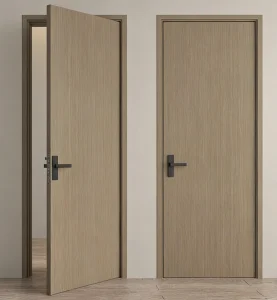
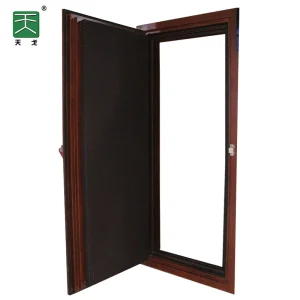
Through close collaboration with Russian architectural designers and building acoustic experts, we supply custom wooden soundproof doors featuring certified fire-ratings (up to 90 minutes) and sound isolation performance starting from 28dB to over 45dB. Engineered to seamlessly pass domestic regulations, our systems are optimized for local installation workflows.
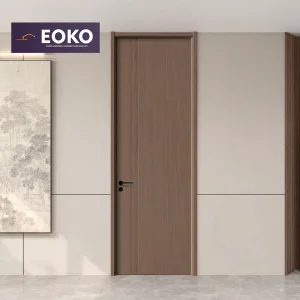
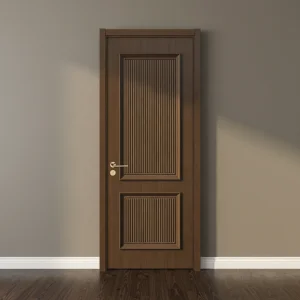
Engineered to satisfy demanding sound attenuation requirements in hospitality, luxury residential complexes, and private audio facilities.
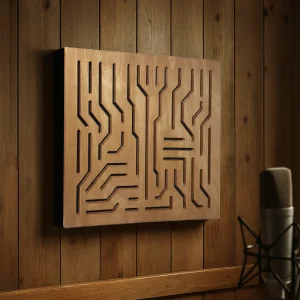
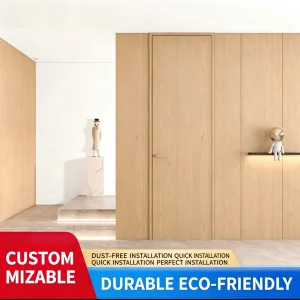
Modern studio design is moving away from basic, heavy mass-loaded doors to balanced composite structures. Sound transmission is dependent on the density, stiffness, and structural dampening properties of the barrier. While older studio spaces relied on bulky concrete-filled frames or solid timber slabs exceeding 100kg, modern manufacturing uses acoustic decoupling and multi-layered core materials.
By sandwiching dampening rubber compounds or viscoelastic membranes between high-density fiberboard (HDF) and timber frame structures, sound energy is converted into heat instead of transferring through the door.
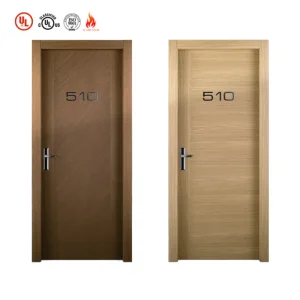
Modern commercial buildings demand both high-level sound isolation and verified fire protection (UL, GOST, or EN). Our engineering ensures that intumescent fire seals and compression acoustic gaskets operate together seamlessly.
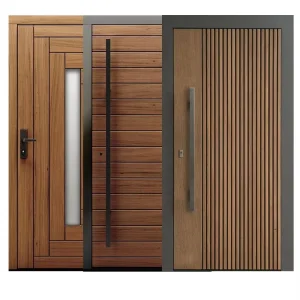
Architects increasingly specify minimal visual footprints. Concealed hinges, magnetic locks, and frameless drop-seals are integrated directly into the door assembly to preserve aesthetic clean lines.
Zhejiang Larsom Door Co., Ltd. is a leading manufacturer specializing in the research, development, production, and global sales of high-performance security doors, armored systems, steel-wood composites, and bespoke interior studio acoustic doors.
Spanning a state-of-the-art manufacturing campus of over 16,000 square meters, our facilities are staffed by an experienced team of 160+ industry professionals. With optimized industrial production flows, our daily output capacity exceeds 200 sets of premium architectural doors. This structural capacity guarantees reliable order fulfillment timelines for large-scale developments across Europe, Central Asia, and the Moscow metropolitan area.
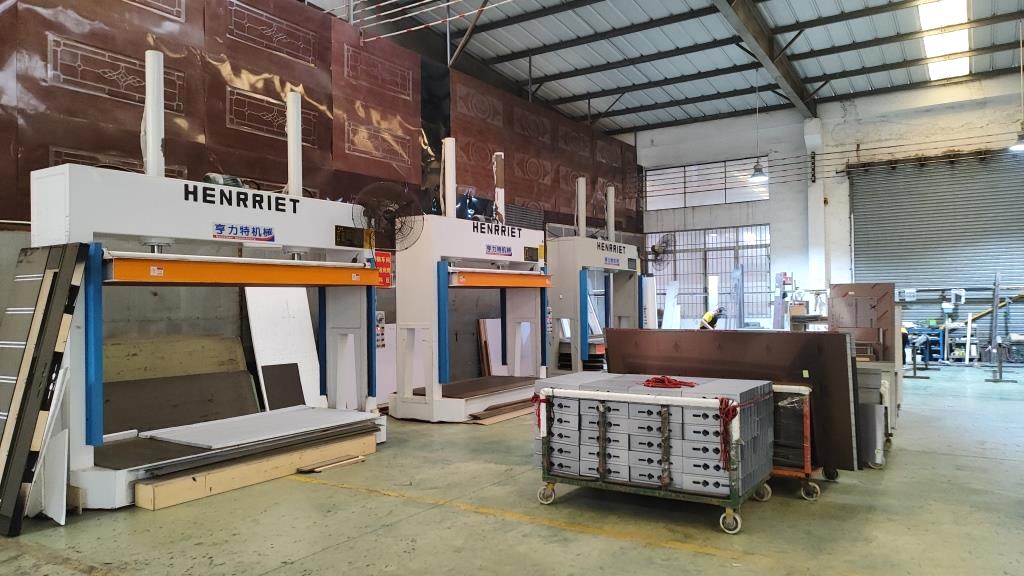
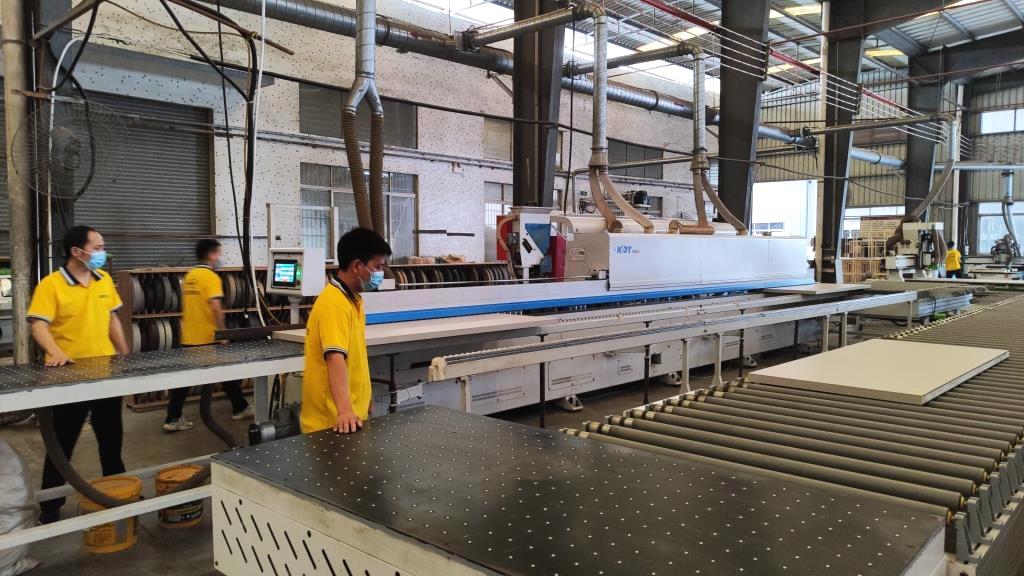
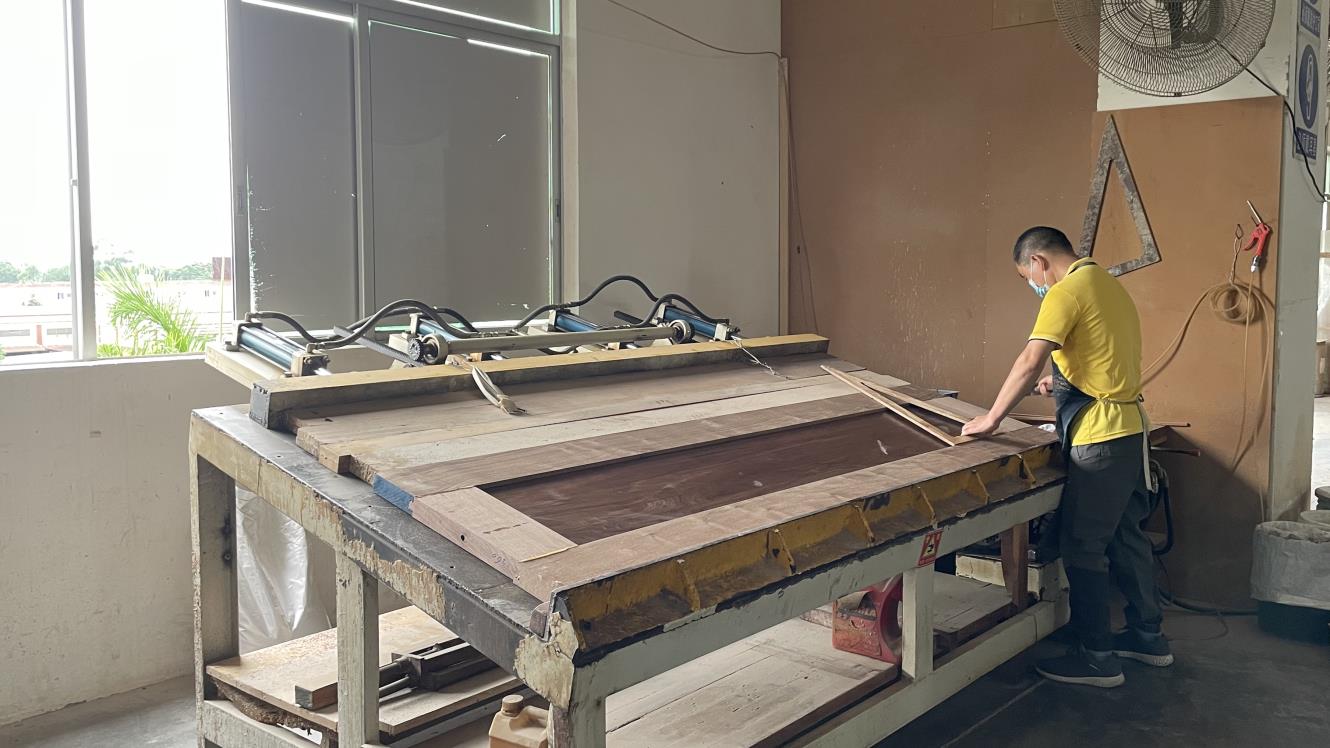
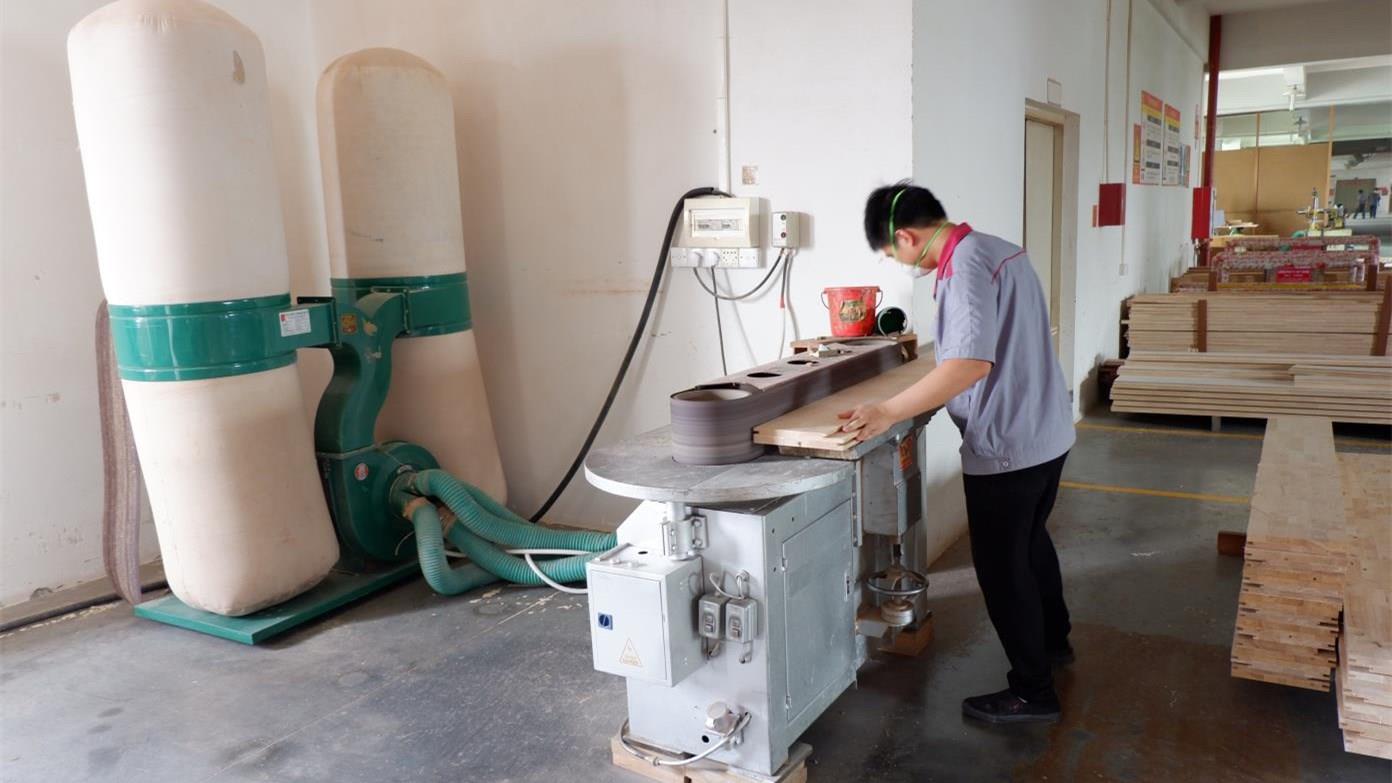
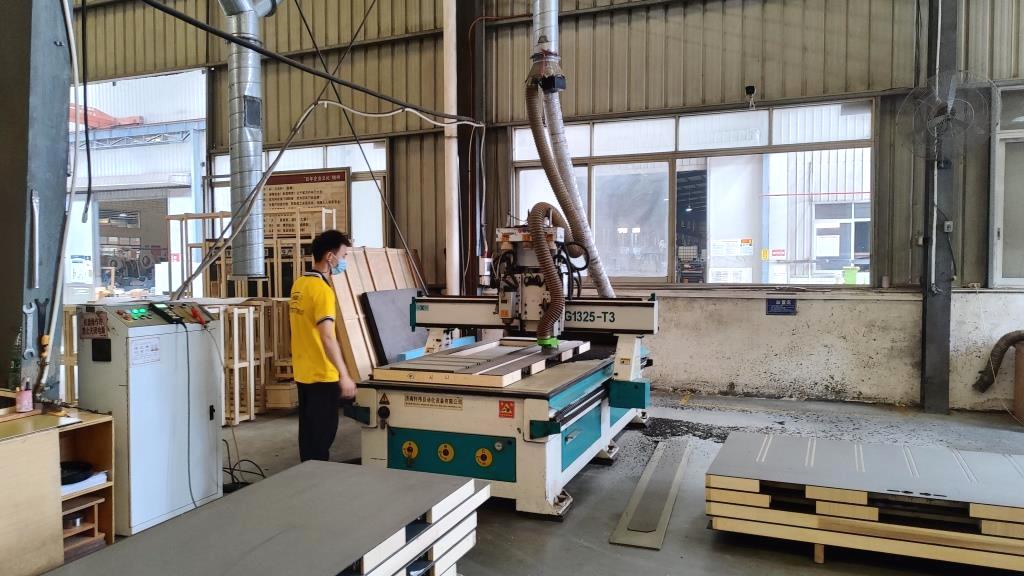
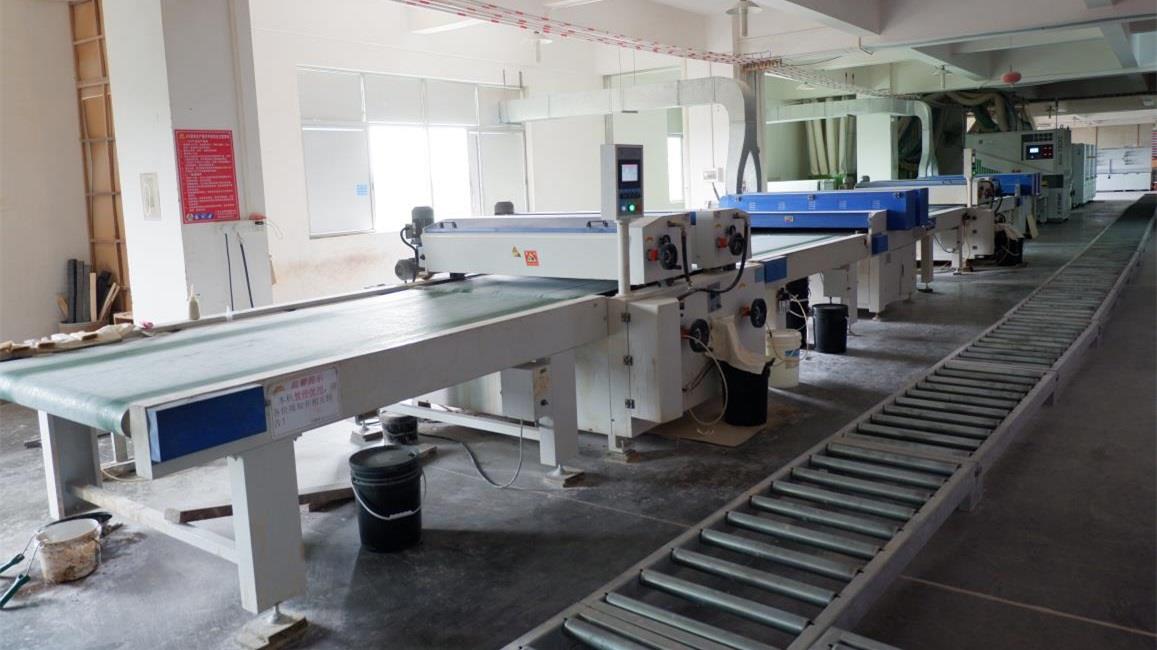
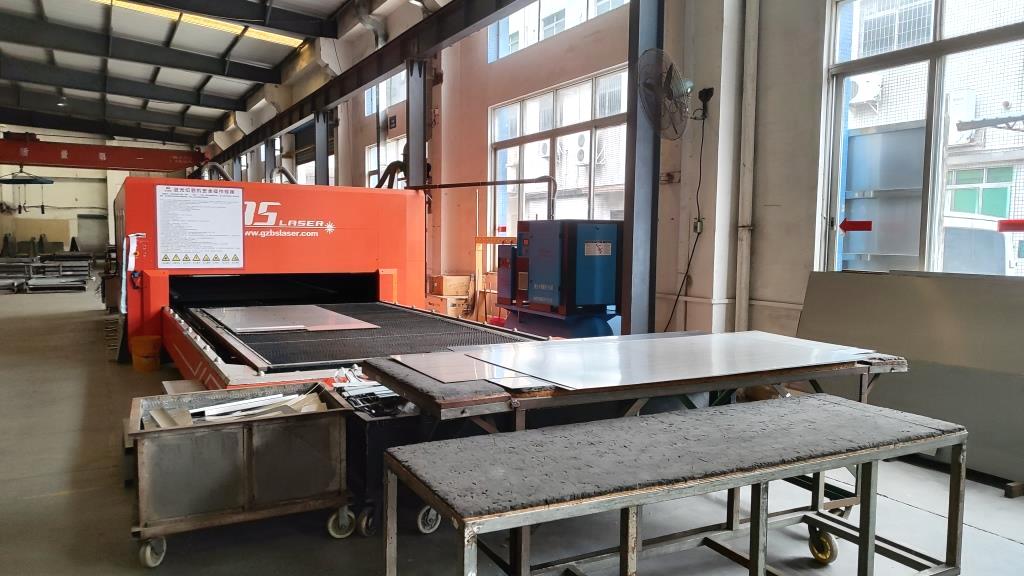
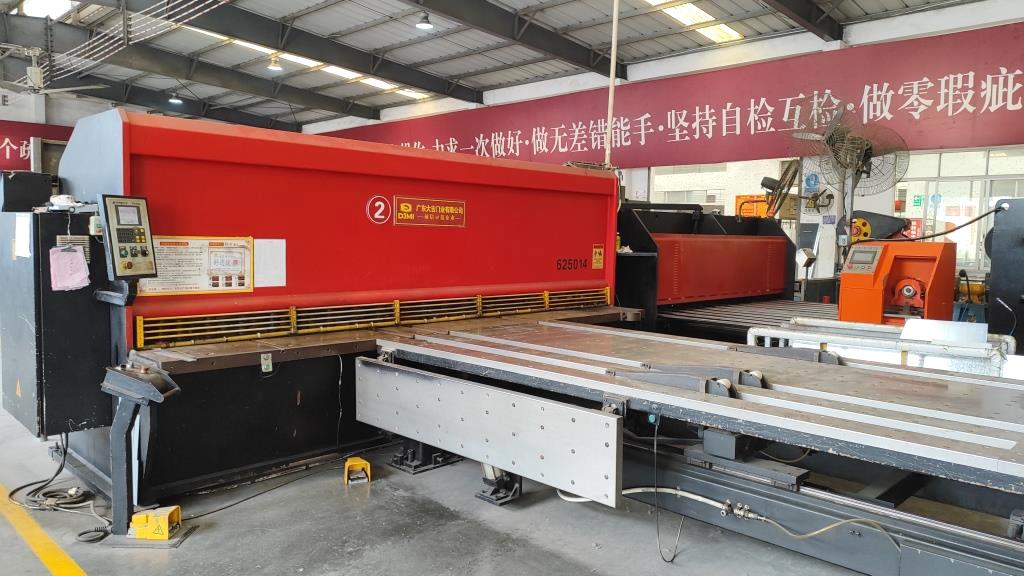
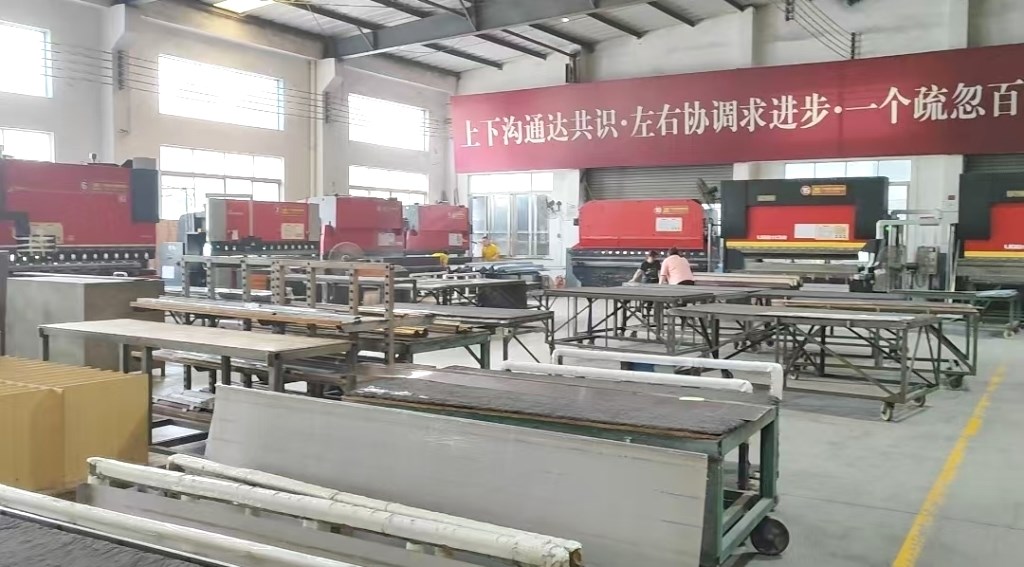
To secure a leading market position, we maintain high-precision automated systems including CNC laser cutting machinery, CNC bending lines, automatic multi-spot welding stations, high-velocity turret punching presses, automatic sanding units, and eco-efficient powder-coating chambers. These technological assets assure consistent execution tolerances and structural performance across every batch.
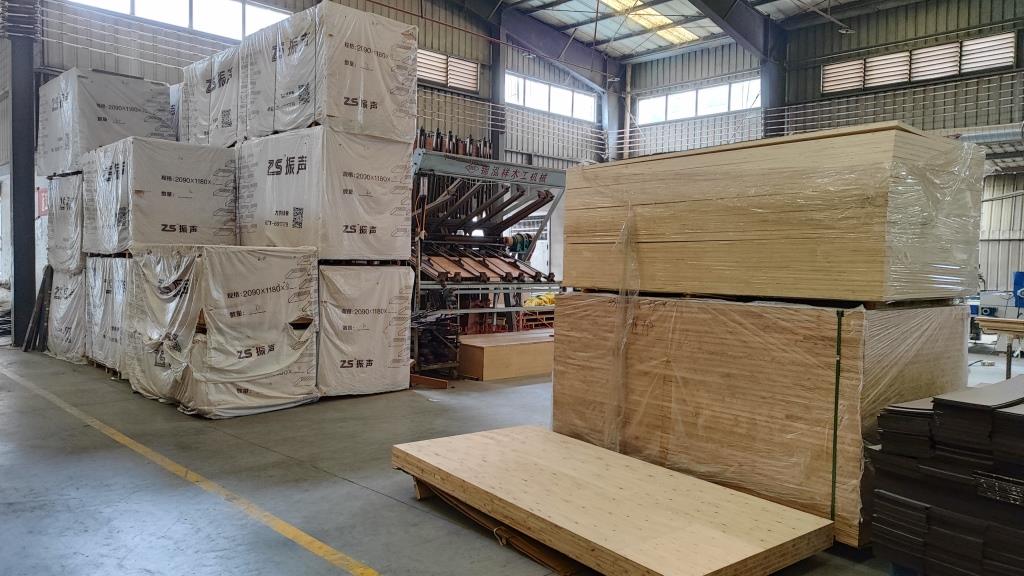
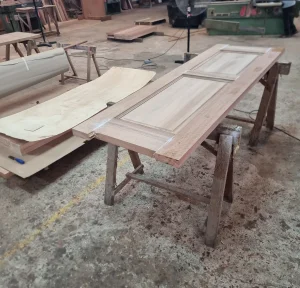
A look into our structural processing steps, from structural steel/wood prep to precision detailing and final testing.
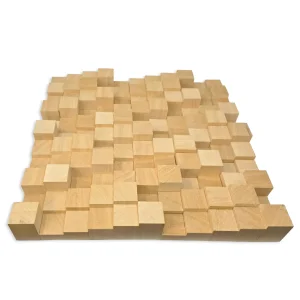
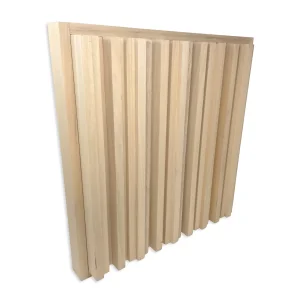
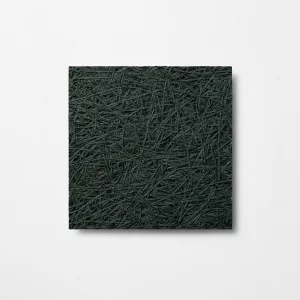
Complete your room treatment with specialized diffusion and absorption modules engineered for flat-frequency response.
For international contractors and Russian importers, importing building materials directly from Chinese manufacturing bases delivers significant cost efficiency without sacrificing quality standards. By shipping directly from our Zhejiang facilities, customers bypass intermediary dealer margins that typically add 30% to 50% to local retail prices.
Our export operations leverage integrated logistics nodes, ensuring structured shipping options through major trade channels directly into Central Russia. Standardized container packaging, marine plywood crating, and moisture-barrier shrink wraps guarantee that the timber components arrive in pristine condition, ready for immediate installation.
Our quality management workflow requires that raw wood stocks undergo controlled kiln-drying to lower base moisture levels to match target climate zones. Internal solid cores are filled with high-density basalt mineral wool or sound-isolating perlite boards, achieving high fire ratings and structural acoustic dampening.
All finished products undergo visual surface audits and mechanical operation checks before packing. Our QC engineers test the compression rebound of integrated neoprene seals and verify structural dimensions using digital calipers to maintain tolerances below ±1mm.
Explore our complete catalog of certified soundproof doors, acoustic treatments, and architectural solutions optimized for the Moscow market.
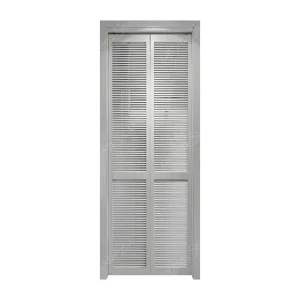
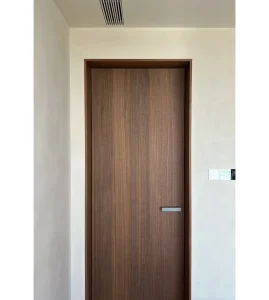
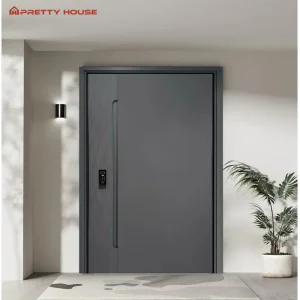
Expert answers addressing the primary design, compliance, and material specification questions from acoustic engineers and project planners.
 Larsom Door